



Hungary Lifts Veto, Paving the Way for Ukraine and Moldova’s EU Aspirations

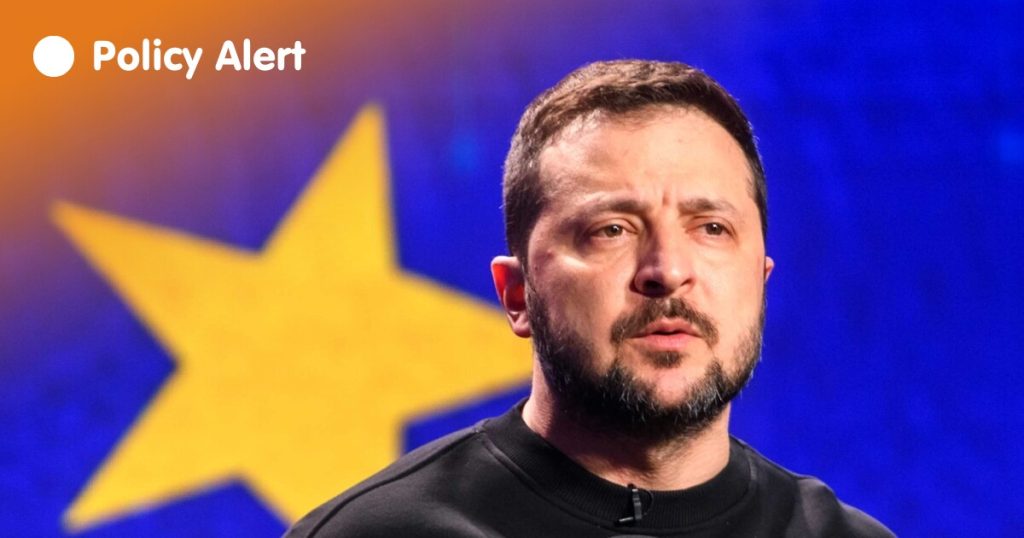
Hungary Lifts Veto, Paving the Way for Ukraine and Moldova’s EU Aspirations
Hungary has removed its veto on Ukraine’s EU accession talks, creating new opportunities for both Ukraine and Moldova to advance their integration into the European Union. However, significant reforms are still required amid ongoing challenges.
The lifting of Hungary’s veto marks a pivotal moment for Ukraine and Moldova as they seek to join the European Union. This development allows formal negotiations to commence, but the focus now shifts to the substantial reforms needed in Ukraine, particularly in the judiciary, anti-corruption measures, and economic restructuring, all while the country continues to engage in a fierce conflict.
Despite Ukraine’s commitment to EU integration, progress has been inconsistent. In contrast, Moldova has shown greater agility in reform implementation, although it grapples with limited institutional capacity and external pressures. Both nations risk experiencing reform fatigue if the lengthy EU accession process does not yield timely results, as seen in the stalled efforts of Western Balkan countries.
To sustain momentum, the EU is urged to establish a clear timeline for negotiations, contingent on the successful delivery of reforms by both countries. An immediate formation of a working group to draft the accession agreement could facilitate parallel discussions on technical safeguards and transition periods, thereby expediting the process. This approach aims to provide ongoing incentives for reform and maintain the credibility of the accession journey.
With the political obstacles now cleared, the focus shifts to the essential work of institutional integration. The recent agreement between Hungary and Ukraine on minority issues has set the stage for renewed cooperation, and as negotiations officially begin, both nations are poised to demonstrate their commitment to meeting EU standards.
Edited and prepared by AboMatrix