



Hungary Faces Energy Crisis as Drought Hits Danube and Political Tensions Rise

Hungary Faces Energy Crisis as Drought Hits Danube and Political Tensions Rise
Hungary is grappling with an escalating energy crisis due to historic drought conditions affecting the Danube River, prompting political clashes as far-right factions encourage defiance against government energy-saving measures.
The ongoing drought has led to unprecedented low water levels in the Danube, threatening Hungary’s energy supply and igniting political tensions. Prime Minister Péter Magyar has implemented emergency measures aimed at curbing electricity and water consumption among large industrial users, while urging citizens to reduce energy use, particularly during peak evening hours.
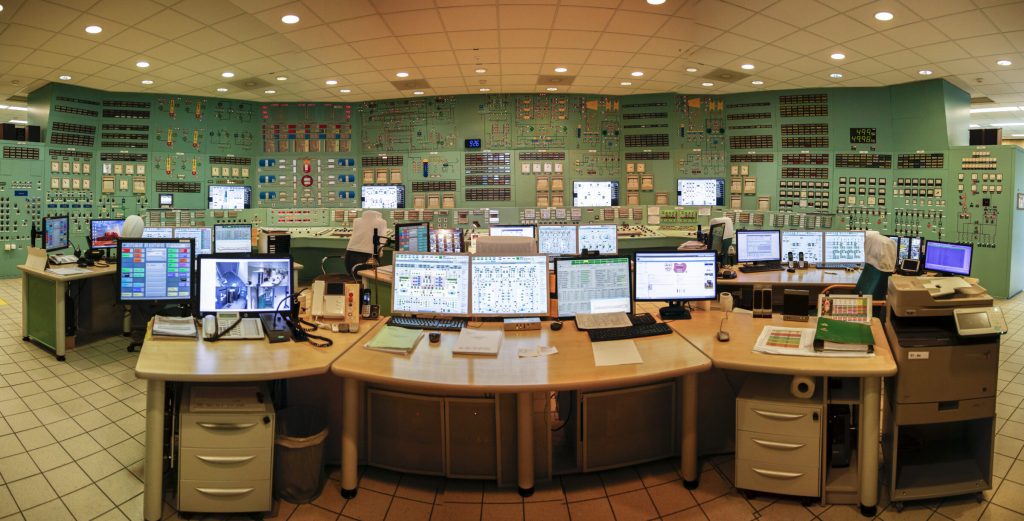
The Paks nuclear power plant, which relies on the Danube for cooling, has begun to scale back its output in response to the dwindling water levels. Magyar warned that if conditions do not improve, the plant may face a complete shutdown. However, he reassured the public that Hungary could manage any potential energy shortfall through imports, with neighboring Slovakia offering assistance, albeit viewed skeptically by experts.
Political fallout from the crisis has intensified, with former Prime Minister Viktor Orbán’s Fidesz party criticizing Magyar for not addressing the situation sooner. They argue that the government should have anticipated the drought’s impact. In contrast, Magyar pointed out that previous administrations failed to invest in necessary infrastructure to mitigate such challenges. As conspiracy theories about foreign interference in the Danube’s water levels circulate, the political landscape remains charged as Hungary navigates this critical situation.
Edited and prepared by AboMatrix