



Hormuz Strait Tensions Threaten Fragile Ceasefire

Daily Monitor
September 17, 2026
Hormuz Strait Tensions Threaten Fragile Ceasefire
A power struggle over the Hormuz Strait risks derailing U.S.-Iran ceasefire and nuclear negotiations.
The Hormuz Strait, a vital maritime chokepoint for global oil and gas trade, has once again become the epicenter of escalating tensions between Iran and the United States. This weekend, a series of retaliatory strikes by both nations has cast a shadow over the fragile ceasefire agreement signed just ten days ago, raising fears of renewed conflict and jeopardizing ongoing nuclear negotiations. Iranian Foreign Minister Abbas Araghchi, speaking in Baghdad, reaffirmed Tehran’s stance that it alone holds the responsibility for restoring pre-conflict shipping conditions in the strait. He warned that any external interference or alternative arrangements would only exacerbate tensions and delay the reopening of this critical waterway.
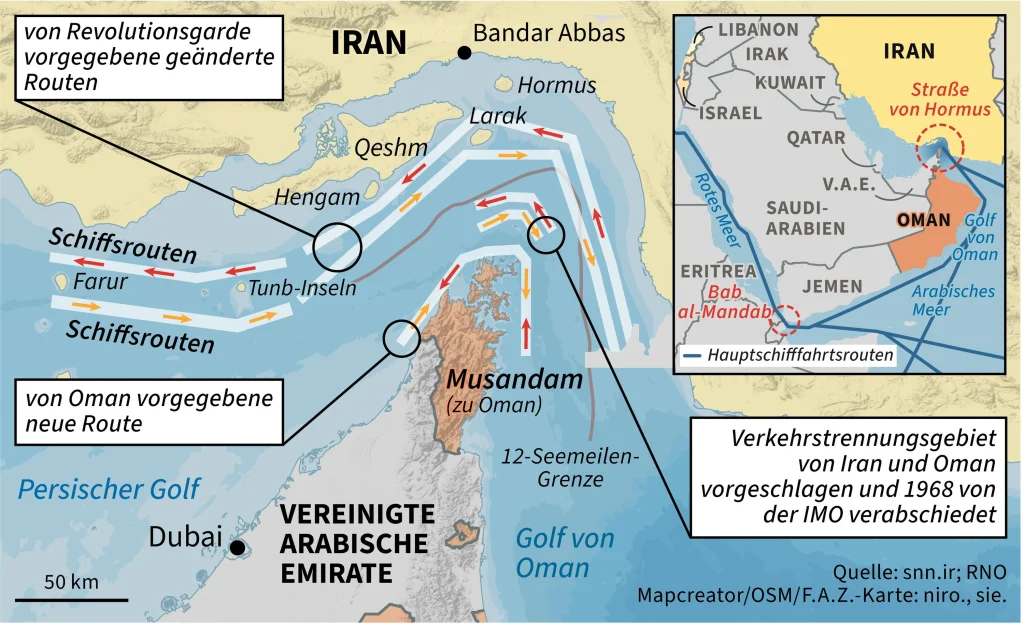
Araghchi’s remarks were a direct response to the International Maritime Organization’s (IMO) recent announcement of a new shipping route near Oman’s coastline, a move supported by the U.S. military. This alternative route was proposed after Iran attacked a commercial vessel with a drone last Thursday, prompting the IMO to suspend its evacuation plan. Despite the suspension, several tankers reportedly used the route over the weekend, signaling a growing divide over control of the strait. Analysts have noted that the U.S. is actively encouraging ships to bypass Iranian-controlled waters, a strategy aimed at undermining Tehran’s influence in the region.
The weekend’s hostilities began with U.S. airstrikes targeting Iranian missile and drone facilities, followed by Iranian attacks on American bases and a fully loaded oil tanker. Both sides have since engaged in calibrated retaliatory actions, with no confirmed reports of casualties or significant damage. However, the situation remains volatile, as evidenced by U.S. President Donald Trump’s stark warning on Saturday. Writing on his platform, Truth Social, Trump threatened comprehensive military operations, stating, ‘There may come a point where we can no longer act reasonably, and we will finish the job militarily.’ Tehran, for its part, appears to be banking on Trump’s reluctance to escalate before the U.S. midterm elections, though Iranian generals anticipate further confrontations in the long term.
Complicating matters further are Iran’s proposed measures to impose shipping fees and mandatory insurance for vessels passing through the strait. These plans, which could generate up to $40 billion annually, have drawn sharp criticism from the U.S. and its allies. As the standoff continues, the Hormuz Strait remains a geopolitical flashpoint, with global trade and regional stability hanging in the balance.
Araghchi’s remarks were a direct response to the International Maritime Organization’s (IMO) recent announcement of a new shipping route near Oman’s coastline, a move supported by the U.S. military. This alternative route was proposed after Iran attacked a commercial vessel with a drone last Thursday, prompting the IMO to suspend its evacuation plan. Despite the suspension, several tankers reportedly used the route over the weekend, signaling a growing divide over control of the strait. Analysts have noted that the U.S. is actively encouraging ships to bypass Iranian-controlled waters, a strategy aimed at undermining Tehran’s influence in the region.
The weekend’s hostilities began with U.S. airstrikes targeting Iranian missile and drone facilities, followed by Iranian attacks on American bases and a fully loaded oil tanker. Both sides have since engaged in calibrated retaliatory actions, with no confirmed reports of casualties or significant damage. However, the situation remains volatile, as evidenced by U.S. President Donald Trump’s stark warning on Saturday. Writing on his platform, Truth Social, Trump threatened comprehensive military operations, stating, ‘There may come a point where we can no longer act reasonably, and we will finish the job militarily.’ Tehran, for its part, appears to be banking on Trump’s reluctance to escalate before the U.S. midterm elections, though Iranian generals anticipate further confrontations in the long term.
Complicating matters further are Iran’s proposed measures to impose shipping fees and mandatory insurance for vessels passing through the strait. These plans, which could generate up to $40 billion annually, have drawn sharp criticism from the U.S. and its allies. As the standoff continues, the Hormuz Strait remains a geopolitical flashpoint, with global trade and regional stability hanging in the balance.
Drafted & Edited by Investigative Desk | AboMatrix