



Hidden Infernos: The Rising Threat of Persistent Underground Fires

Hidden Infernos: The Rising Threat of Persistent Underground Fires
Scientists are sounding the alarm over ‘zombie fires,’ mysterious underground blazes that can reignite months or years after being extinguished. These elusive fires pose unique challenges and are fueled by dry, peat-rich soils.
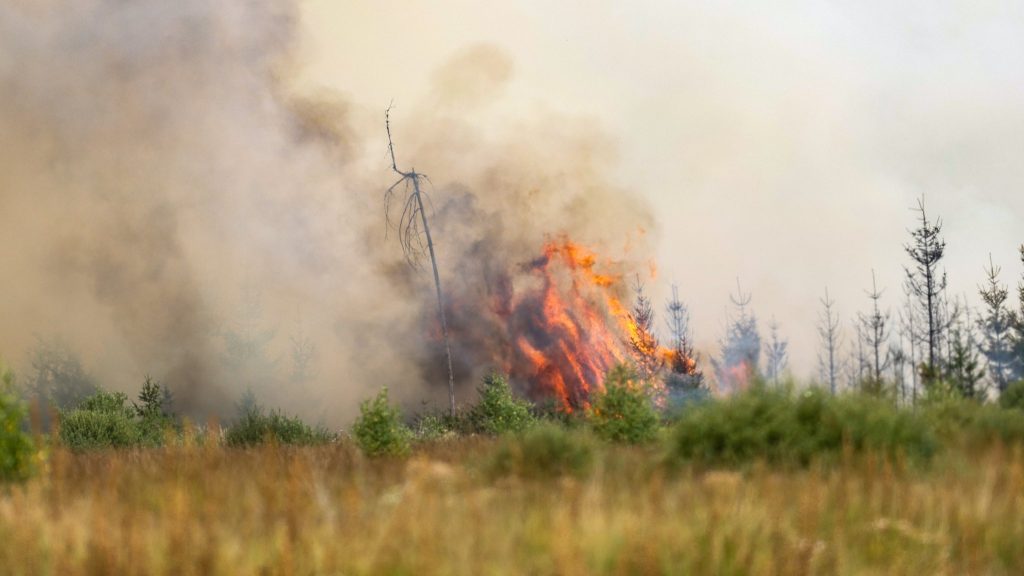
Forest fires across Europe have brought attention to a rare and perplexing phenomenon known as ‘zombie fires.’ These fires linger underground, smoldering in layers of peat or humus-rich soil, even after they appear extinguished on the surface. Unlike typical wildfires, zombie fires can reignite unexpectedly, fueled by hidden embers in decayed tree roots or dried-out moorlands.
One of the key challenges with these persistent fires lies in their ability to spread both horizontally and vertically through peat-rich soil, making detection and suppression incredibly difficult. Experts have highlighted how drained peatlands—a result of human intervention—can exacerbate the threat. Without visible flames, these fires can smolder for extended periods, consuming organic matter beneath burned landscapes and reigniting under favorable weather conditions.
Though the phenomenon is technically referred to as ‘holdover fires,’ the term ‘zombie fires’ is often reserved for longer-lasting cycles seen in Arctic and sub-Arctic regions. These fires can survive entire winters, spreading beneath layers of snow and ice before reviving during summer months. Beyond their immediate danger, zombie fires release significant amounts of carbon into the atmosphere, further amplifying their role as a climate threat. With increased awareness, scientists and environmental agencies are working to monitor and develop strategies to mitigate these elusive and destructive blazes.
Edited and prepared by AboMatrix