



Hamas Disarmament: A Pathway to Peace in Gaza

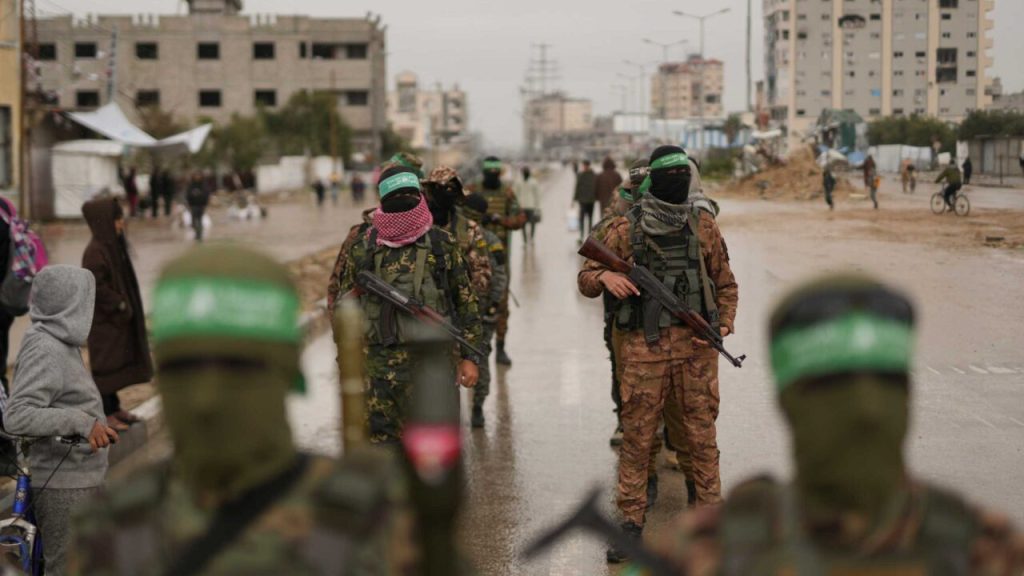
Hamas Disarmament: A Pathway to Peace in Gaza
⏱ 3 min read
Executive Summary
The recent agreement by Hamas to disarm marks a pivotal moment in the Gaza conflict, offering a tangible opportunity for peace and reconstruction. However, Israel’s compliance with the roadmap remains critical to advancing Palestinian self-determination and ending decades of violence.
Strategic Context
Historical Context of the Gaza Conflict
The Gaza Strip has been at the center of one of the most protracted conflicts in modern history. Since Hamas took control in 2007, the region has faced repeated cycles of violence, blockades, and humanitarian crises. The international community has long sought a resolution, but entrenched political divisions and mutual distrust have hindered progress.
In 2025, a three-phase roadmap was introduced under the Trump administration to end hostilities and establish a pathway to Palestinian statehood. While initial steps reduced violence and facilitated hostage releases, deeper issues such as disarmament, Israeli withdrawal, and governance reforms remain unresolved. The recent willingness of Hamas to disarm under the Board of Peace (BoP) roadmap signals a potential breakthrough, contingent on Israel’s cooperation.
In-Depth Analysis
Policy Motivations Behind Hamas Disarmament
Hamas’s agreement to disarm reflects a strategic shift aimed at ending its governance and security control over Gaza. This decision likely stems from mounting international pressure, internal challenges, and the devastating impact of prolonged conflict on Gaza’s population. By relinquishing heavy weapons, Hamas seeks to pave the way for reconstruction and international support.
Israel’s compliance with Phase 1 obligations, including halting military strikes and withdrawing to agreed lines, is essential for the roadmap’s success. However, the Israeli government’s hardline stance and opposition to Palestinian self-determination pose significant obstacles. The roadmap’s phased approach aims to build trust incrementally, linking disarmament to Israeli withdrawal and broader negotiations.
Europe’s role in this process is critical. With expertise in disarmament and security-sector reform, European nations can provide technical support and personnel to ensure the roadmap’s implementation. The EU’s experience with missions like EUPOL COPPS highlights its potential to contribute meaningfully to Gaza’s transition.
Impact on Migrants
Legal and Social Implications for Migrants and Refugees
The disarmament agreement and subsequent roadmap could significantly improve conditions for displaced Palestinians and refugees. By reducing violence and initiating reconstruction, the plan offers hope for safer living conditions and the eventual return of displaced individuals to Gaza. The establishment of the Palestinian National Committee for the Administration of Gaza (NCAG) and a new police force could enhance governance and security, fostering stability for residents.
However, challenges remain. The lack of funding for NCAG and limited troop contributions to the International Stabilisation Force (ISF) could delay progress. Migrants and refugees may face uncertainty as the roadmap unfolds, particularly if Israel continues to resist withdrawal or if transitional governance structures encounter setbacks. International support and monitoring will be crucial to ensuring the roadmap delivers tangible benefits for affected populations.
Outlook & Conclusion

Prepared & Analyzed by: Migration Policy Unit | AboMatrix