



Greens in the East: Winning Hearts with Bratwurst

Daily Monitor
September 23, 2026
Greens in the East: Winning Hearts with Bratwurst
The Green Party embarks on a bold campaign in Eastern Germany, blending optimism, strategy, and cultural connection.
The Green Party of Germany is embarking on a determined mission to win over the hearts and minds of voters in Eastern Germany, a region where their political influence has historically been limited. At the heart of their strategy lies a unique blend of optimism, cultural engagement, and pragmatic preparation. During a recent campaign training session in Sassnitz, a picturesque seaside town on the island of Rügen, party members were not only learning how to secure their flyers from gusty winds but also preparing for potential confrontations in a politically charged atmosphere. The emphasis was clear: resilience, safety, and connection.
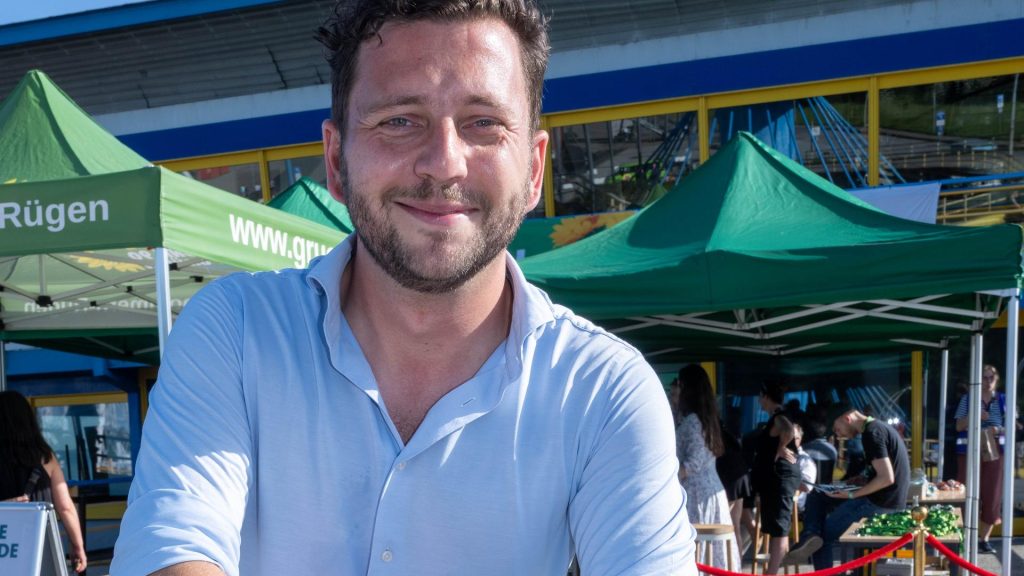
Party co-chair Felix Banaszak, accompanied by leading candidates Claudia Müller and Susan Sziborra-Seidlitz, has been touring the region with an unconventional approach—hosting barbecues at local campsites and serving traditional bratwurst. This gesture, symbolic of cultural integration, has sparked meaningful conversations, even with voters who support the far-right Alternative for Germany (AfD). Banaszak’s message is one of hope, urging members to believe in a brighter, inclusive Germany despite the challenges posed by the rising influence of right-wing ideologies in the East.
The campaign, however, is not without its hurdles. The Green Party faces an uphill battle in states like Saxony-Anhalt and Mecklenburg-Western Pomerania, where their membership numbers remain modest compared to other regions. With only about 1,700 members in each of these states, the party is relying on support from Western members to bolster their efforts. This collaboration underscores the Greens’ commitment to bridging the East-West divide, a theme central to their campaign.
Banaszak has described the upcoming state elections as a ‘reality test’ for the party, acknowledging the unique challenges of addressing the concerns of Eastern voters. From climate policies that resonate differently in regions with distinct economic realities to feminist discourses that may not align with local experiences, the Greens are navigating complex cultural and political landscapes. Structural reforms within the party, including measures to amplify the voices of smaller Eastern chapters, reflect their dedication to inclusivity and representation.
As the Greens rally their members and refine their message, the stakes are high. The campaign is not just about electoral success but about redefining their role in a region where they have struggled to gain traction. With optimism, adaptability, and a willingness to engage, the Green Party is striving to chart a new course in Eastern Germany.
Party co-chair Felix Banaszak, accompanied by leading candidates Claudia Müller and Susan Sziborra-Seidlitz, has been touring the region with an unconventional approach—hosting barbecues at local campsites and serving traditional bratwurst. This gesture, symbolic of cultural integration, has sparked meaningful conversations, even with voters who support the far-right Alternative for Germany (AfD). Banaszak’s message is one of hope, urging members to believe in a brighter, inclusive Germany despite the challenges posed by the rising influence of right-wing ideologies in the East.
The campaign, however, is not without its hurdles. The Green Party faces an uphill battle in states like Saxony-Anhalt and Mecklenburg-Western Pomerania, where their membership numbers remain modest compared to other regions. With only about 1,700 members in each of these states, the party is relying on support from Western members to bolster their efforts. This collaboration underscores the Greens’ commitment to bridging the East-West divide, a theme central to their campaign.
Banaszak has described the upcoming state elections as a ‘reality test’ for the party, acknowledging the unique challenges of addressing the concerns of Eastern voters. From climate policies that resonate differently in regions with distinct economic realities to feminist discourses that may not align with local experiences, the Greens are navigating complex cultural and political landscapes. Structural reforms within the party, including measures to amplify the voices of smaller Eastern chapters, reflect their dedication to inclusivity and representation.
As the Greens rally their members and refine their message, the stakes are high. The campaign is not just about electoral success but about redefining their role in a region where they have struggled to gain traction. With optimism, adaptability, and a willingness to engage, the Green Party is striving to chart a new course in Eastern Germany.
Drafted & Edited by Investigative Desk | AboMatrix