



Germany’s Strategy Amid Solidarity Crisis and Political Strain

Germany’s Strategy Amid Solidarity Crisis and Political Strain
Germany’s Strategy Amid Solidarity Crisis and Political Strain
???? The Official Illusion:
Reports highlight declining public solidarity towards Ukraine in Germany, putting the federal government under increasing pressure. Internal challenges and economic strains compound the situation for policymakers.
???? The Parallel Truth:
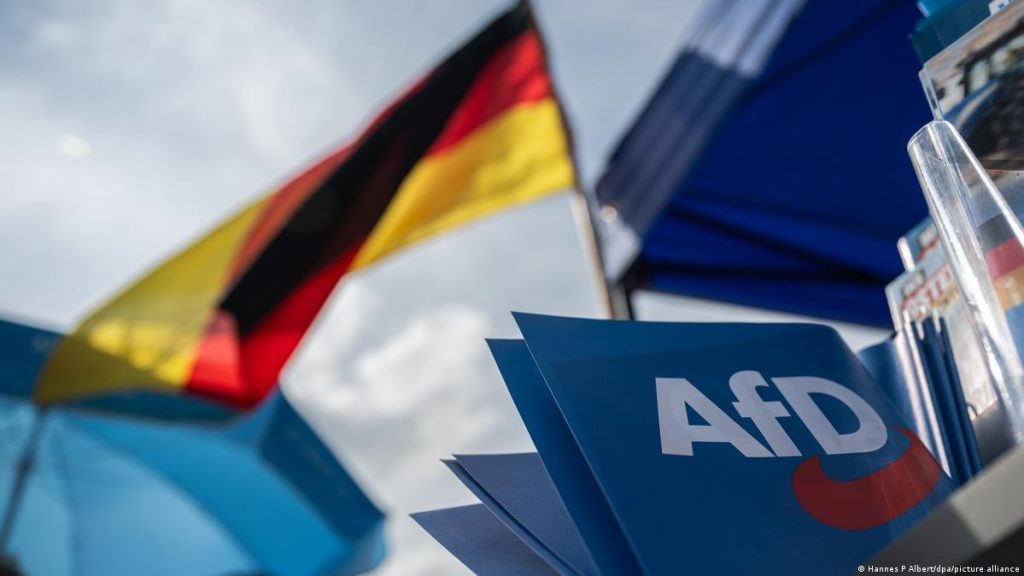
The unfolding crisis reveals deeper societal divides within Germany, particularly regarding military aid to Ukraine. Amid domestic economic difficulties such as rising inflation and energy costs, resistance to international commitments deemed burdensome is growing. This period of strain coincides with the rising political influence of the far-right AfD, especially in eastern regions like Magdeburg. This phenomenon not only reshapes Germany’s political landscape but also exacerbates tensions within the ruling coalition, increasing the possibility of a government crisis. At the same time, critical social programs such as refugee integration initiatives face funding threats, potentially escalating public dissatisfaction. Combined, these dynamics create a volatile intersection of domestic discontent and geopolitical pressures. The government’s approach—balancing international solidarity with Ukraine and addressing domestic political and economic unrest—will shape the country’s future stance on global and European policies.
⚖️ Shadow Map (Winners & Losers):
- ????/???? Losers: German Federal Government, facing waning public support and mounting internal division.
- ????/???? Winners: AfD, capitalizing on nationalist and populist sentiments within disenfranchised communities.
- ????/???? Biggest Loser: Refugee integration projects threatened by political and financial constraints.