



Germany’s Strategic Blind Spot: The Overlap Between Trade and Geopolitics

Germany’s Strategic Blind Spot: The Overlap Between Trade and Geopolitics
Germany’s foreign policy struggles to address China’s backing of Russia in the Ukraine conflict, exposing critical flaws in its approach to global power dynamics.
Germany’s response to Russia’s invasion of Ukraine has marked a significant albeit incomplete shift in its geopolitical approach. While efforts to counter Russia’s aggression have been embraced on the European security front, broader foreign policy continues to hinge on longstanding economic priorities. This cautious ‘Zeitenwende’ in addressing global threats has revealed a disconnect between Germany’s economic interests and its strategic imperatives, especially regarding China’s role in backing Russia.
China’s economic and military support for Russia has been pivotal in sustaining Moscow amid Western sanctions and the ongoing war in Ukraine. Beyond oil purchases and dual-use technology exports, Beijing’s alignment with Moscow reflects deeper ideological motivations aimed at undermining the global order established by Western powers. This alliance underscores a fundamental challenge for Europe, where economic diplomacy with China often overshadows critical security concerns.
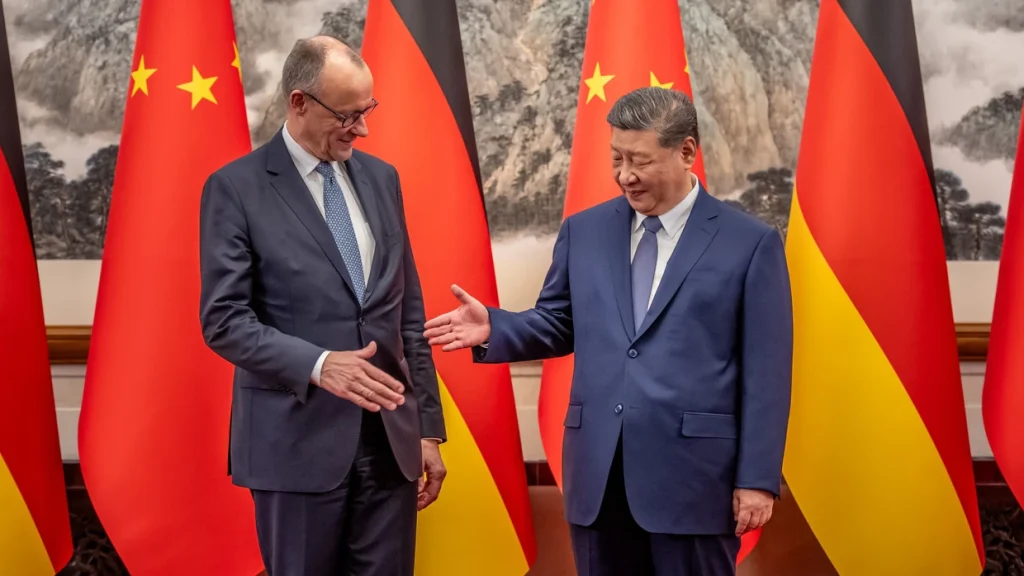
Despite these emerging threats, Germany’s engagement with China remains largely centered on trade and market expansion, as demonstrated during recent high-level diplomatic exchanges. This approach risks overlooking the wider ramifications of China’s geopolitical ambitions. As Beijing positions itself against Europe by supporting Russia, questions arise about the alignment of Germany’s economic policies with its national and regional security interests. A recalibration may be necessary to address this growing strategic rivalry.
Edited and prepared by AboMatrix