



Germany’s political sphere faces disruption as AfD gains national prominence

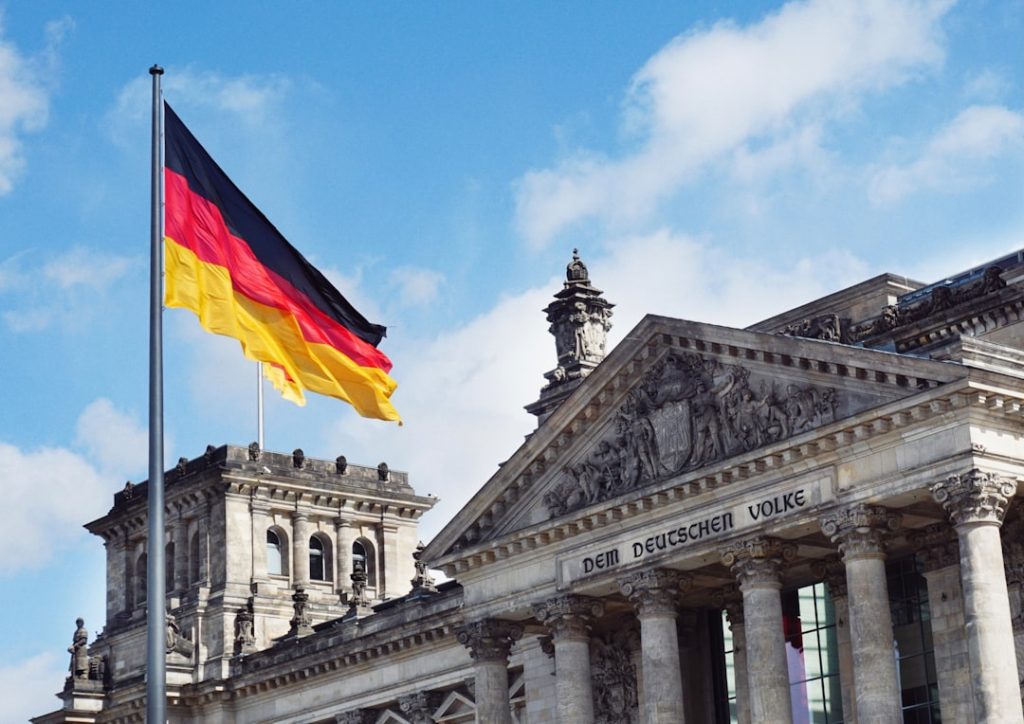
Germany’s political sphere faces disruption as AfD gains national prominence
Germany’s political sphere faces disruption as AfD gains national prominence
???? The Core Event:
The Alternative for Germany (AfD) party has surged in polls, challenging traditional parties’ influence nationwide.
???? Objective Analysis:
AfD’s growing popularity in Germany, particularly in eastern states, signifies a significant shift in the nation’s political equilibrium. This upward trajectory stems from multifaceted reasons, including public discontent with the status quo, dissatisfaction with policy handling regarding migration and economics, and strategic exploitation of controversial societal issues.
Social media has been a pivotal tool for AfD, allowing the party to connect directly with voters and amplify its messages effectively. The party’s digital campaigns focus on pressing issues that resonate with disenfranchised voters, enabling it to expand its base rapidly. For traditional parties, this poses a dilemma: should they ignore, confront, or cooperate with the AfD?
Political analysts argue that Germany could be on the brink of a transformative era if the AfD maintains or enlarges its influence. Such developments may not just alter domestic policies but also shift Germany’s stance in the EU and on global platforms. The challenge is to strengthen democratic values by fostering inclusivity, engagement, and addressing the root causes of voter dissatisfaction.
Moreover, there is a growing need for educational programs and societal initiatives to combat extremism and populist rhetoric. These efforts are essential to equip citizens to critically evaluate political communication while maintaining cohesion in a rapidly polarizing society.
⚖️ Public & Societal Impact:
- ???? German citizens experience growing unease with the increasing politicization of traditionally neutral discourse.
- ???? Immigrant communities might face intensified challenges due to AfD’s nationalist policies.
- ???? Everyday political conversations in Germany could lean towards increasing polarization.
♟️ Future Projections:
Progressive and liberal factions may consider forming broader coalitions to counterbalance right-wing populism. However, this would require significant compromise on individual priorities and strong efforts in aligning communication strategies. At the EU level, Germany’s evolving domestic politics might influence larger integration challenges, including migration and shared economic resilience.
For media organizations, it becomes imperative to deliver neutral yet insightful reporting that educates the citizens about political dynamics while avoiding sensationalism. Additionally, grassroots initiatives and educational reforms could prove crucial in instilling democratic values and safeguarding social harmony amid rising political tensions.