



Germany’s Political Crisis: CDU Leader Resigns in Mecklenburg-Vorpommern

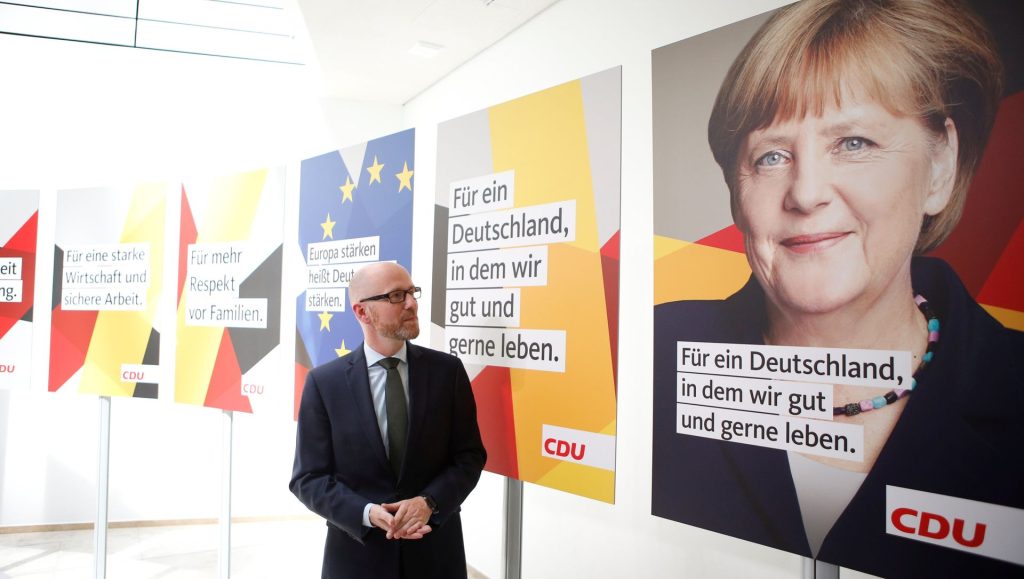
Germany’s Political Crisis: CDU Leader Resigns in Mecklenburg-Vorpommern
Germany’s Political Crisis: CDU Leader Resigns in Mecklenburg-Vorpommern
Germany is witnessing significant domestic political developments as the CDU leader in Mecklenburg-Vorpommern resigns amidst growing tensions within the party. This resignation comes at a critical juncture, with debates over the chancellorship and social reforms intensifying. The following analysis explores the implications of these events for Germany’s political landscape.
Geopolitical & Strategic Context
Historical and Political Background
The CDU has been a cornerstone of German politics since its establishment after World War II, playing a pivotal role in shaping national policies. However, the party has faced mounting challenges in recent years, including declining electoral performance and internal divisions.
In Mecklenburg-Vorpommern, the CDU leadership has been under increasing pressure due to poor electoral results and growing criticism from party members. The resignation of the state leader reflects a broader crisis within the party, as calls for reassessing national leadership and strategic direction grow louder.
“Internal crises within political parties often signal broader shifts in the political landscape.”
These developments coincide with national debates over social policies, such as the dual health insurance system, where Chancellor Friedrich Merz faces criticism both from within his party and the opposition.
Strategic Implications
- ♦ Increased pressure on CDU leadership to implement internal reforms and reassess electoral strategies.
- ♦ Strengthened position of opposition parties like SPD and Greens, capitalizing on CDU’s weaknesses.
- ♦ Heightened debates on social and economic policies as part of upcoming electoral campaigns.
- ♦ Growing likelihood of leadership changes within the CDU if crises persist.
Future Trajectories
Future Developments
In the coming months, intensified debates within the CDU regarding national leadership and strategic direction are expected. These discussions could lead to significant changes in party leadership, especially if criticism and weak electoral performance persist.
On a national level, these crises could bolster opposition parties in upcoming elections, as they may leverage CDU’s internal conflicts to position themselves as strong alternatives.
Regarding social policies, debates over the dual health insurance system are likely to continue, with potential proposals for comprehensive reforms emerging.

Prepared & Analyzed by: Strategic Studies Desk | AboMatrix