



Germany’s Perspective on International Justice: Analyzing the Impact of US Sanctions on the ICC

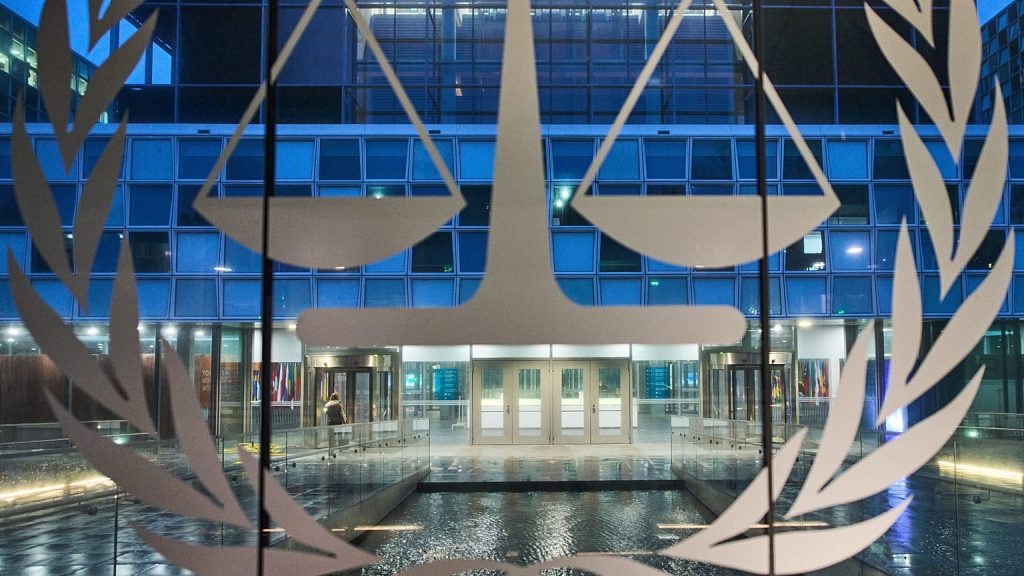
Germany’s Perspective on International Justice: Analyzing the Impact of US Sanctions on the ICC
⏱ 4 min read
Executive Summary
The Trump administration’s sanctions against the International Criminal Court (ICC), enacted through Executive Order 14203, have disrupted global civil society networks essential to international justice. These sanctions target ICC prosecutors, judges, and human rights organizations, undermining victims’ access to justice and threatening the global infrastructure supporting accountability for atrocity crimes. Germany, as a staunch advocate for international law and human rights, views these developments as a significant setback to global efforts for justice and accountability, with potential ripple effects on migrant communities and human rights advocacy within its borders.
Strategic Context
Deep Analysis
Germany’s stance on this issue is rooted in its commitment to international law and human rights. As a signatory to the Rome Statute, which established the ICC, Germany has consistently supported the Court’s mission to hold perpetrators of international crimes accountable. The US sanctions, by targeting the ICC and its supporting organizations, threaten the very foundation of international justice, which Germany views as essential for global stability and human dignity. Germany’s advocacy for the ICC reflects its broader commitment to multilateralism and the rule of law, principles that are central to its foreign policy and its approach to migration and human rights.
Additionally, Germany recognizes the interconnectedness of global civil society networks in supporting victims of atrocities. By fracturing these networks, the US sanctions risk isolating victims and survivors, many of whom are migrants and refugees seeking justice. Germany’s response to this issue is likely to involve strengthening its support for the ICC and advocating for the protection of civil society organizations that play a critical role in documenting crimes and supporting victims.
Impact on Migrants
For migrants in Germany, the US sanctions on the ICC could have indirect but significant consequences. Many migrants and refugees have fled countries where war crimes and crimes against humanity occur, relying on international justice mechanisms like the ICC to seek accountability. The disruption of civil society networks caused by these sanctions may limit the ability of migrants to connect with organizations that document their experiences and advocate for their rights. This could lead to a sense of isolation and reduced access to justice for those who have already endured significant trauma.
Furthermore, the sanctions may discourage civil society organizations from engaging with the ICC, reducing the global advocacy and support available to migrants in Germany. These organizations often play a vital role in raising awareness about the plight of migrants and refugees, influencing policy decisions, and providing legal and social support. The weakening of these networks could impact Germany’s ability to integrate migrants effectively and uphold its commitment to human rights and justice.
Outlook & Conclusion
Looking ahead, Germany is likely to continue its strong support for the ICC and advocate for the protection of civil society organizations essential to international justice. By reinforcing its commitment to multilateralism and the rule of law, Germany can help mitigate the negative impacts of the US sanctions on global justice efforts. For migrants in Germany, this means continued access to advocacy and support networks that uphold their rights and seek accountability for crimes committed against them. Germany’s leadership in this area will be crucial in ensuring that international justice remains a viable pathway for victims and survivors worldwide.
Primary Source: amnesty.org