



Germany’s Heatwave Challenges Railways, Highways

Daily Monitor
September 27, 2026
Germany’s Heatwave Challenges Railways, Highways
Germany’s infrastructure faces mounting challenges as record heatwaves disrupt railways and highways nationwide.
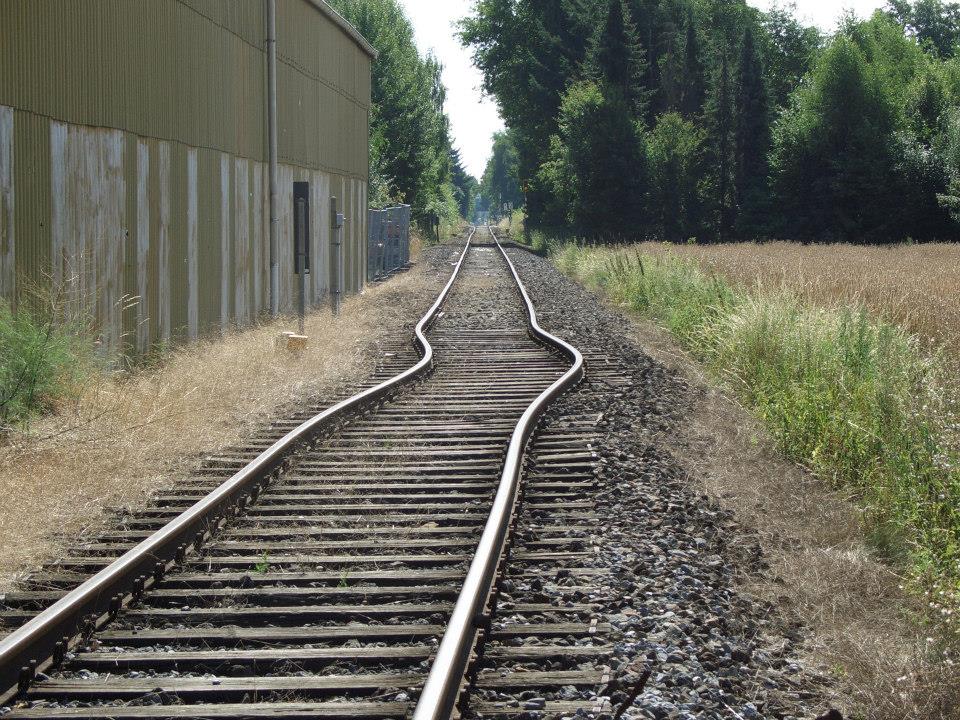
Germany’s transportation infrastructure is grappling with unprecedented challenges as record-breaking heatwaves expose vulnerabilities in railways and highways. Over the weekend, soaring temperatures led to widespread disruptions, including malfunctioning train air conditioning systems, track deformities, and highway damage. Experts warn that these issues highlight the urgent need for climate adaptation measures, but solutions remain complex and long-term.
The railway system, already burdened by a €130 billion investment backlog, has been particularly affected. Christian Böttger, a railway expert from the Berlin University of Applied Sciences, emphasized the multifaceted nature of the problem. Overheated signal boxes, sagging overhead lines, and embankment fires are just a few of the challenges exacerbated by extreme heat. While technological advancements, such as air-conditioned trains and reflective white-painted tracks, offer some relief, they are far from comprehensive solutions. Böttger noted that even newer trains equipped with air conditioning struggle to cope with heatwaves, as their systems are designed for typical weather conditions rather than extreme temperatures.
Highways have also suffered significant damage due to the heat. Dirk Brandenburger from Autobahn GmbH reported widespread issues, including melted bitumen and ‘blow ups’—a phenomenon where concrete slabs expand and rupture under intense heat. Repairing these damages is a monumental task, with approximately 13,300 kilometers of highways requiring upgrades to more heat-resistant materials. Brandenburger cautioned that this process could take decades, underscoring the scale of the challenge.
Despite the urgency, immediate climate adaptation measures for Germany’s transportation networks remain elusive. Government spokesperson Stefan Kornelius dismissed calls to make the issue a top priority for Chancellor Friedrich Merz, warning against unrealistic expectations. Experts agree that while targeted investments can mitigate some problems, the interconnected nature of the railway and highway systems means that comprehensive solutions will require significant time and resources.
As Germany braces for future heatwaves, the need for resilient infrastructure has never been more apparent. However, the path forward is fraught with challenges, requiring not only technological innovation but also substantial financial commitment and long-term planning. With climate change intensifying, the question remains: Can Germany adapt its infrastructure quickly enough to withstand the rising temperatures?
The railway system, already burdened by a €130 billion investment backlog, has been particularly affected. Christian Böttger, a railway expert from the Berlin University of Applied Sciences, emphasized the multifaceted nature of the problem. Overheated signal boxes, sagging overhead lines, and embankment fires are just a few of the challenges exacerbated by extreme heat. While technological advancements, such as air-conditioned trains and reflective white-painted tracks, offer some relief, they are far from comprehensive solutions. Böttger noted that even newer trains equipped with air conditioning struggle to cope with heatwaves, as their systems are designed for typical weather conditions rather than extreme temperatures.
Highways have also suffered significant damage due to the heat. Dirk Brandenburger from Autobahn GmbH reported widespread issues, including melted bitumen and ‘blow ups’—a phenomenon where concrete slabs expand and rupture under intense heat. Repairing these damages is a monumental task, with approximately 13,300 kilometers of highways requiring upgrades to more heat-resistant materials. Brandenburger cautioned that this process could take decades, underscoring the scale of the challenge.
Despite the urgency, immediate climate adaptation measures for Germany’s transportation networks remain elusive. Government spokesperson Stefan Kornelius dismissed calls to make the issue a top priority for Chancellor Friedrich Merz, warning against unrealistic expectations. Experts agree that while targeted investments can mitigate some problems, the interconnected nature of the railway and highway systems means that comprehensive solutions will require significant time and resources.
As Germany braces for future heatwaves, the need for resilient infrastructure has never been more apparent. However, the path forward is fraught with challenges, requiring not only technological innovation but also substantial financial commitment and long-term planning. With climate change intensifying, the question remains: Can Germany adapt its infrastructure quickly enough to withstand the rising temperatures?
Drafted & Edited by Investigative Desk | AboMatrix