



Germany’s First Far-Right Parliamentary President Sparks Nationwide Political Turmoil

Germany’s First Far-Right Parliamentary President Sparks Nationwide Political Turmoil
Germany’s First Far-Right Parliamentary President Sparks Nationwide Political Turmoil
???? The Official Illusion:
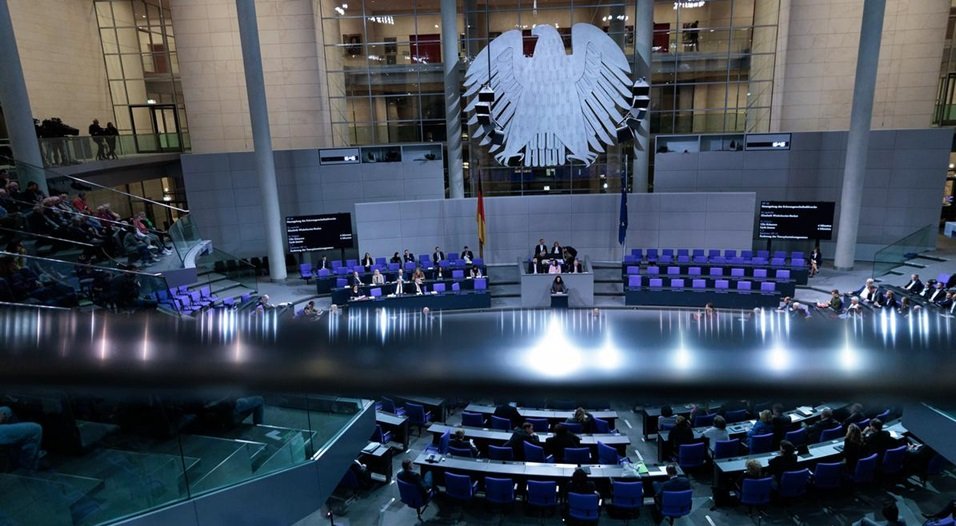
In a groundbreaking and controversial turn, the German parliament in Saxony-Anhalt elected Tobias Rausch, an AfD member, as its president. This marks the first time a representative of a far-right party has claimed such a significant political leadership role in Germany. The AfD, or ‘Alternative for Germany,’ has been a polarizing force in German politics, known for its anti-immigration and nationalist stance. Official reactions have ranged from outrage to cautious acknowledgment, with critics emphasizing the unacceptable involvement of CDU votes in the election. This has triggered wide condemnation from opposition parties, especially the SPD, which held protest marches accompanied by symbolic gestures such as singing the national anthem.
???? The Parallel Truth:
The election of Tobias Rausch as parliamentary president of Saxony-Anhalt is a seismic event that exposes deep-seated fractures in German political alliances, especially between the CDU and the broader political spectrum. The CDU, traditionally a centrist party, faces criticism for allegedly supplying votes to the AfD, signaling alarming ideological fluidity within its ranks. This development not only legitimizes the AfD but also risks normalizing its far-right rhetoric, undermining Germany’s post-war democratic framework that sought to marginalize extremist elements.
From a social perspective, this election is likely to exacerbate divisions in Germany, particularly in eastern states like Saxony-Anhalt, where socio-economic disparities and disenchantment with mainstream parties have provided fertile ground for extreme political preferences. The rise of the AfD highlights the electorate’s frustration over issues such as immigration, economic disparities, and perceived governmental inefficacy. The CDU’s tacit support implies a willingness to compromise on core values to maintain political relevance, showcasing a significant drift from its historical posture as a bulwark against extremism.
Economically, this event could create additional discomfort for businesses and international investors, as it undermines Germany’s image as a politically stable, pro-democracy nation. Foreign perception matters to Germany, a major global trade hub, and political instability could affect its attractiveness for foreign investments, especially in its eastern regions. Social unrest or intensification of polarized ideological debates could further slow down governmental decision-making and legislative effectiveness.
On a grander scale, such developments may embolden far-right movements across the European Union, tarnishing Germany’s role as a moral and political leader on the continent. The election further complicates the SPD-led coalition’s efforts to maintain authority and consensus in an already fragile German Parliament, likely forcing concessions to shore up broader unity among non-AfD factions.
⚖️ Shadow Map (Winners & Losers):
- ????/???? Winners: AfD, gaining new legitimacy and visibility as a mainstream political force.
- ????/???? Losers: CDU, facing internal credibility issues and public backlash for perceived complicity.
- ????/???? Losers: SPD-led government, pressured to fight rising far-right influence while addressing its own policy setbacks.