



Germany’s Diesel Price Surge: A Test for Domestic and EU Policy Coordination

Germany’s Diesel Price Surge: A Test for Domestic and EU Policy Coordination
Germany’s Diesel Price Surge: A Test for Domestic and EU Policy Coordination
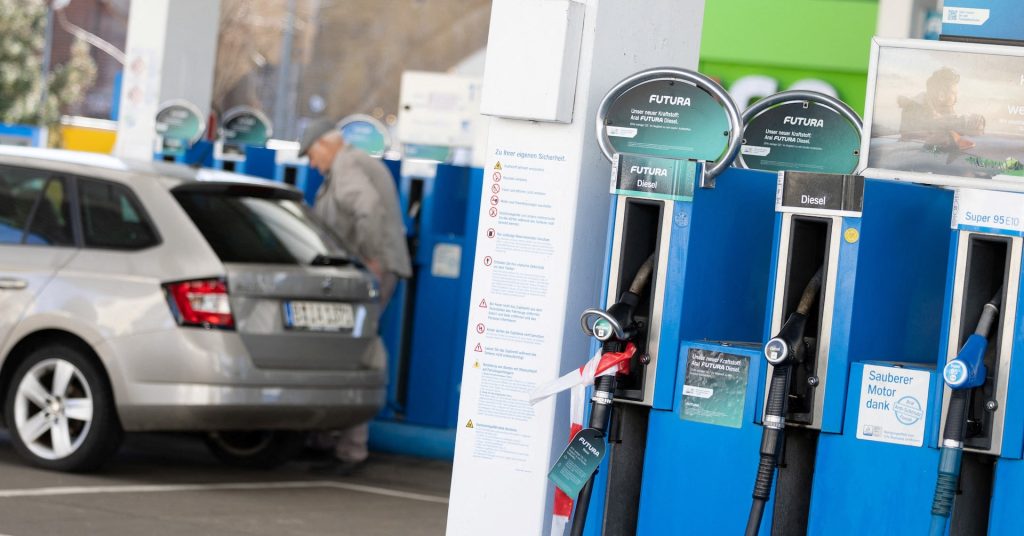
Germany has witnessed unprecedented spikes in diesel prices, prompting Chancellor Friedrich Merz (CDU) to propose relief measures, such as a price reduction of up to 25 cents per liter. These efforts come amidst broader socio-economic pressures and complexities at the intersection of national and EU energy policy.
Geopolitical & Strategic Context
Germany’s Fuel Crisis: Root Causes and Political Context
The record-breaking diesel prices in Germany are symptomatic of broader geopolitical and market dynamics, including Middle Eastern tensions and a dependence on imported energy. For Germany, this crisis underscores the vulnerability of its energy supply chain and the urgent need for diversified strategies to stabilize the domestic market.
Chancellor Friedrich Merz’s proposal for direct price relief reflects political necessity amidst mounting public unhappiness. While the cut offers a short-term respite, energy experts have expressed doubts about the fiscal sustainability of such measures over the long term.
The diesel price crisis exemplifies the intricate negotiation between economic pressures and environmental ambitions within Germany and at the EU level.
Parallel debates within the EU call for less stringent regulations on the auto industry, showing increasing alignment between industrial interests and political pressures across member states.
Strategic Implications
- ♦ Potential intensification of political debates on sustainable energy solutions.
- ♦ Growing urgency for EU-wide policy flexibility, particularly in energy markets.
- ♦ Shift in voter preferences, favoring parties supporting greater economic relief.
- ♦ Long-term opportunities for renewable energy and electric vehicle industries in Germany.
Future Trajectories
Anticipated Policy Directions
The German government is expected to roll out targeted financial relief to specific sectors such as commuters and transport workers. Simultaneously, Merz may push for broader negotiations within the EU to lower regulatory burdens, granting member states more fiscal and policy flexibility to navigate energy crises.
In the longer term, Germany’s strategic pivot could result in greater adoption of renewable technologies and a push towards energy independence, spurring investments in alternative energy infrastructure. Such measures may align Germany’s domestic priorities with its international energy commitments.

Prepared & Analyzed by: Strategic Studies Desk | AboMatrix