



Germany’s Coalition Unveils Major Tax and Labor Reforms

Germany’s Coalition Unveils Major Tax and Labor Reforms
The black-red coalition in Germany has agreed on a comprehensive reform package targeting income tax, labor market issues, and social benefit fraud.
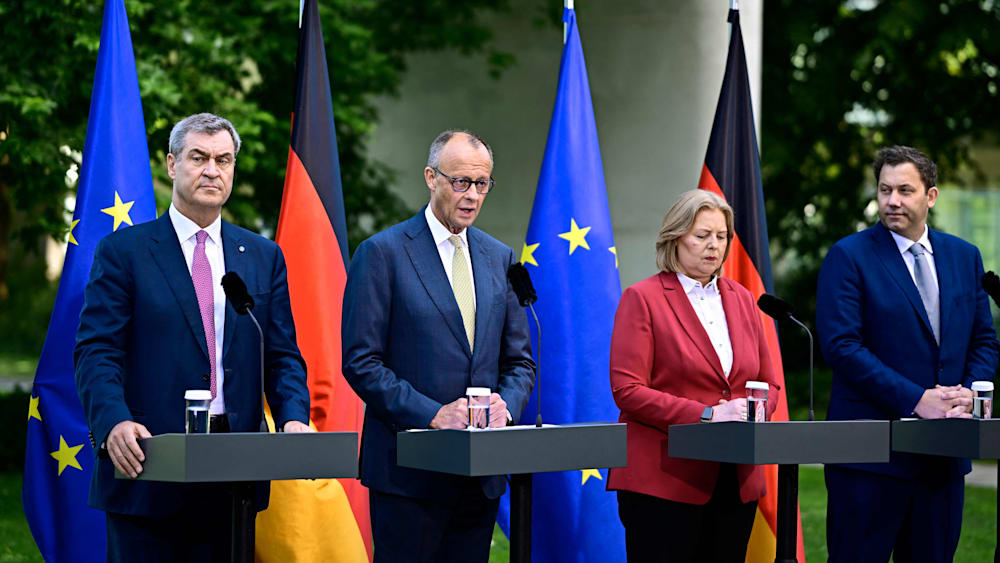
The ruling coalition, led by German Chancellor Friedrich Merz, unveiled an economic reform package on Thursday that includes an annual tax relief of €10 billion ($11 billion) for low-income earners, along with adjustments to the pension system and measures to promote affordable housing.
Get instant insights into the latest news via InvestingPro – at a 60% discount today.
This package comes amid mounting pressure on Merz to revive growth in Europe’s largest economy, as his government has struggled with internal disputes among coalition partners that had previously hindered the progress of its reform agenda.
The measures target a wide range of issues, including an action plan to combat social benefit fraud, abolishing the option to obtain sick leave over the phone, as well as a goal to reduce the number of federal ministry staff by 8% through digitalization.
The tax relief will be largely funded by raising the top income tax bracket from 45% to 47% for top earners, namely those with an annual income of €280,000 or more.
Marion Mühlberger, Chief Economist at Deutsche Bank, commented: “Not only has the government fulfilled one of its key election promises—tax relief for low- and middle-income earners—but it has also demonstrated its ability to reach a consensus on major structural reforms, including pension system adjustments and increased flexibility in labor laws.”
She added: “The reform package shows that both coalition partners were willing to compromise, and that the government is initiating structural reforms intended to be completed by the end of the year. This should provide a boost to confidence, which aligns with our expectations of accelerated growth in the second half of the year.”
The Merz government emphasized the urgency of these reforms, noting that they are essential to accelerate growth and help German companies strengthen their resilience against rising foreign competition.