



Germany’s Climate Clash: A Political Proxy War with Economic Undercurrents

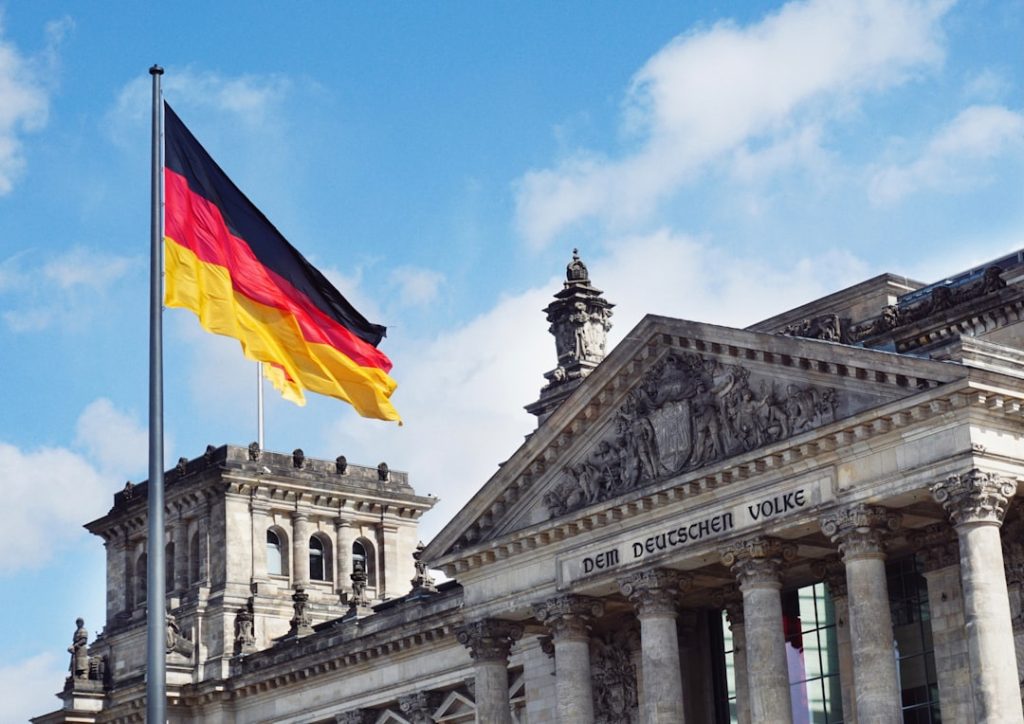
Germany’s Climate Clash: A Political Proxy War with Economic Undercurrents
Germany’s Climate Clash: A Political Proxy War with Economic Undercurrents
???? The Official Illusion:
The government claimed the climate debate is a unified effort to shield Germany from rising temperatures.
???? The Parallel Truth:
The timing of this climate agenda’s escalation raises more questions than answers, especially within an election-concentrated period. It is less about the climate and more about managing voter optics. While parties like the CDU ramp up rhetoric on mitigating climate disasters, the underlying motive appears to be consolidating conservative electoral bases under pressure from a rising AfD. Meanwhile, the SPD struggles with internal disagreements over pension schemes and its heat protection proposals, losing coherence in public messaging.
A striking factor is the significant economic linkage. Large energy corporations seem to be benefiting from partial or ineffective reforms pushed by the government. While these initiatives appear environmentally focused, they merely entrench the dominance of existing industrial players under the guise of green transitions. Subtly, subsidies continue flowing into high-carbon industries that hold substantial lobbying power.
For Germany’s eastern states, such debates are treated more like a political chessboard. The pressing economic challenges in these regions see climate policies morphing into tools of populist manipulation. The CDU attempts to carve stronger ground as the SPD erodes its influence through public mistrust. What emerges is not a climate war but a fight for political imagery, deeply intertwined with corporate benefits.
⚖️ Shadow Map (Winners & Losers):
- ????/???? Winners: Big energy firms, thriving under the narrative of symbolic environmental proposals.
- ????/???? Losers: Eastern voters, whose genuine concerns about socio-economic and climate impacts are sidelined.
- ????/???? On the fence: SPD, trying to retain relevance amid incoherent policy pushes and internal strife.
♟️ The Next Move:
Simultaneously, the CDU will work aggressively to counter AfD advances, portraying itself as Germany’s security anchor geographically and economically in the face of climate challenges. However, transparency could become a dangerous public focus as social media amplifies dissatisfaction. To redirect debate, international concerns like EU border management, migration asylum revisions, or environmental skirmishes could be used tactically to soften domestic heat.
Other potential flashpoints include leveraging forest fire disasters for federal climate-centric initiatives or unveiling aid packages targeted at eastern regions aimed more at political image repair than structural improvement.