



Germany’s Asylum Policy: A Pivotal Shift Towards Streamlined Integration
The German Federal Office for Migration and Refugees (BAMF) has unveiled a new asylum consultation initiative aimed at expediting the integration process for migrants. ...

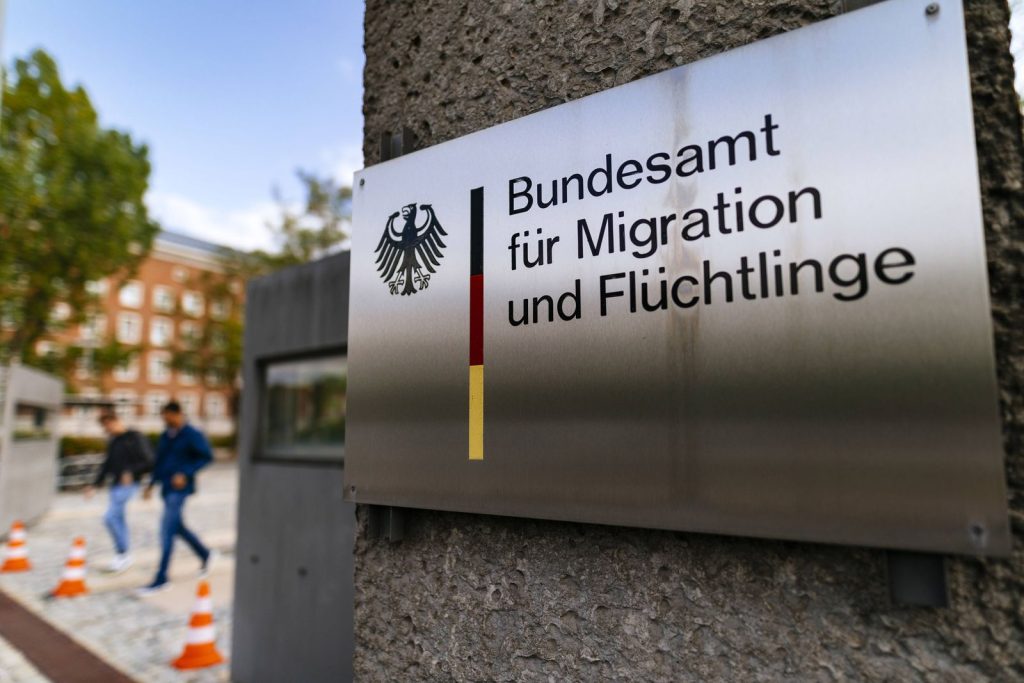
Germany’s Asylum Policy: A Pivotal Shift Towards Streamlined Integration
⏱ 4 min read
Executive Summary
The German Federal Office for Migration and Refugees (BAMF) has unveiled a new asylum consultation initiative aimed at expediting the integration process for migrants. This initiative signals a significant policy shift, emphasizing a proactive approach to asylum procedures and the incorporation of refugees into the social fabric of Germany. By providing tailored guidance and support, BAMF seeks to address the complexities surrounding asylum applications while fostering a more inclusive environment for newcomers.
Strategic Context
Germany has long been a focal point in the European migration crisis, grappling with an influx of asylum seekers amid geopolitical upheaval and humanitarian crises. The nation’s historical commitment to offering refuge has been tested, leading to a complex interplay of public sentiment, political maneuvering, and policy reform. In recent years, the German government has faced mounting pressure to balance humanitarian obligations with domestic concerns regarding integration and security, prompting a reevaluation of its asylum processes.
The BAMF’s new initiative emerges against this backdrop of heightened scrutiny and evolving public discourse on migration. With a significant rise in asylum applications, the urgency for a streamlined process has never been more pronounced. This policy reflects Germany’s attempt to not only manage the immediate needs of asylum seekers but also to pave the way for their successful integration into German society, thereby addressing both humanitarian and practical concerns.
Deep Analysis
At the heart of BAMF’s latest initiative lies a strategic response to both the challenges and opportunities presented by the current migration landscape. The emphasis on consultation and guidance signifies a departure from a purely bureaucratic approach to asylum applications. Instead, it embodies a recognition that successful integration hinges on clear communication and support for migrants navigating a complex system. This shift is indicative of a broader trend within German politics, where there is a growing acknowledgment of the need for policies that not only facilitate entry but also foster long-term integration.
Moreover, this initiative can be interpreted as a political maneuver to quell rising anti-immigrant sentiments that have gained traction in recent years. By proactively addressing the integration of refugees, the government aims to mitigate potential backlash and reinforce its commitment to humanitarian values. This dual focus on procedural efficiency and social cohesion could serve to bolster public confidence in the government’s handling of migration issues, thereby stabilizing a politically volatile landscape.
However, the success of this initiative will largely depend on its implementation and the resources allocated to support it. The effectiveness of the BAMF’s consultations will hinge on the availability of trained personnel, comprehensive information dissemination, and the establishment of robust support networks for migrants. Without adequate investment in these areas, the initiative risks becoming a symbolic gesture rather than a substantive change in the asylum process.
Impact on Migrants
For migrants, this new policy presents a potentially transformative shift in their asylum experience. The provision of tailored advice and support could significantly ease the psychological burden often associated with the asylum process, allowing refugees to better understand their rights and responsibilities. This clarity not only empowers migrants but also fosters a sense of belonging and acceptance within their new communities, countering the isolation many experience during their initial arrival.
However, the effectiveness of these measures will ultimately depend on the practical execution of the policy. If BAMF can successfully implement a comprehensive support system, it could lead to improved integration outcomes, reduced waiting times for asylum decisions, and a more favorable public perception of migrants. Conversely, any shortcomings in the execution could undermine the initiative’s intended benefits, leaving vulnerable populations in a state of uncertainty and hindering their ability to contribute to society.
Outlook & Conclusion
Looking ahead, the success of BAMF’s asylum consultation initiative will be a litmus test for Germany’s commitment to integrating migrants into the social fabric. As public and political pressures continue to evolve, the ability of the government to adapt its policies to foster inclusivity and support will be critical. By prioritizing the needs of asylum seekers and streamlining their integration, Germany has the potential to not only uphold its humanitarian principles but also to enrich its own cultural and social landscape.
Anchor Source: news.google.com | Analyzed by AboMatrix AI Engine