



Germany Pushes Rail Competition Reform

Germany Pushes Rail Competition Reform
Germany’s rail regulator demands Deutsche Bahn open tracks to competitors, aiming for cheaper fares and improved service.
Germany’s Federal Network Agency has proposed a major shake-up in the country’s rail sector, targeting Deutsche Bahn’s dominance in long-distance travel. The agency plans to mandate that the state-owned rail operator allocate at least 25% of its track capacity on heavily trafficked routes to competitors. This move could increase competition, potentially lowering ticket prices and improving service quality for passengers.
The decision responds to calls from Italian rail company Italo, which plans to enter the German market by 2028. Italo aims to operate high-speed trains on lucrative routes such as Munich-Frankfurt-Cologne-Dortmund and Munich-Berlin-Hamburg, with frequent services. The company has committed to deploying 30 high-speed trains for 56 daily connections. Italo had approached the Federal Network Agency to address concerns about limited access to rail infrastructure, prompting the agency’s intervention.
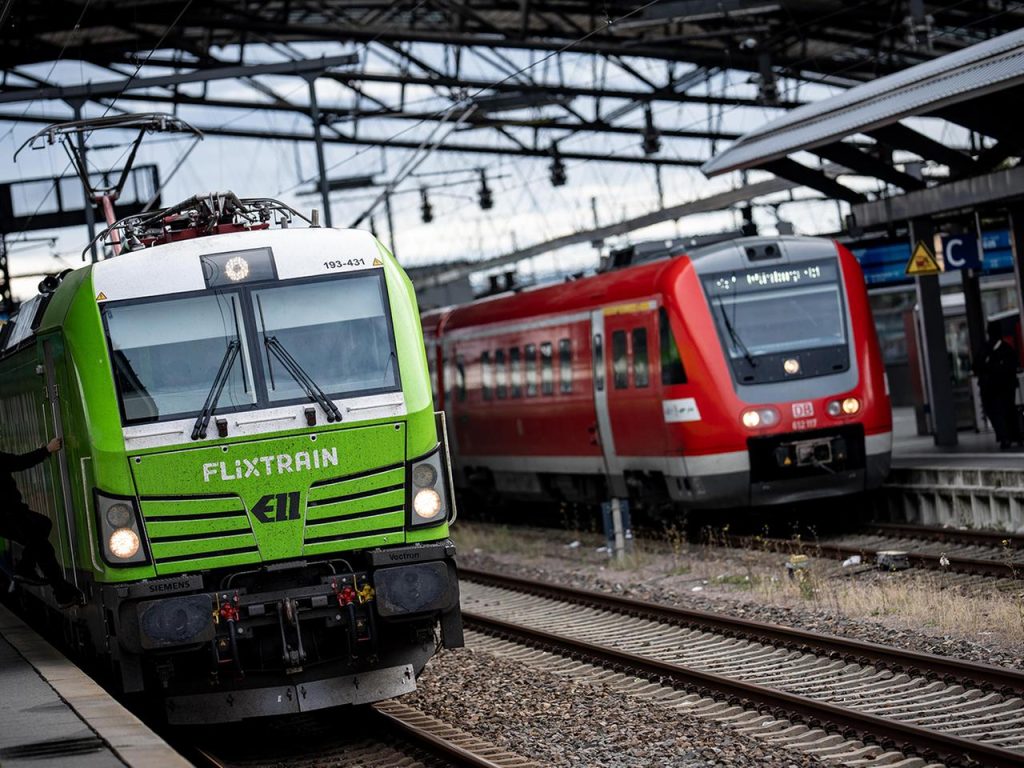
Currently, Deutsche Bahn controls 95% of Germany’s long-distance rail traffic, leaving competitors like FlixTrain struggling to secure track access. Klaus Müller, head of the Federal Network Agency, emphasized that the new competition clause would guarantee minimum access for rival operators, enabling them to plan investments in new rolling stock with greater confidence.
However, Deutsche Bahn has expressed concerns about the potential impact of the proposed changes. The company warned that losing access to profitable routes could force it to cut services on less popular connections, which are subsidized by revenue from high-demand routes. This could reduce connectivity for passengers in rural areas.
The availability of rail infrastructure is already a challenge in Germany, particularly at major hubs like Hamburg, Berlin, and Cologne, where congestion frequently causes delays. Track allocation is managed by DB InfraGo, a subsidiary of Deutsche Bahn, and the limited capacity has been a longstanding issue for the industry.
The Federal Network Agency’s proposal is currently in draft form and will be reviewed by the Railway Infrastructure Advisory Council before a final decision is made in two weeks. If implemented, the reform could reshape Germany’s rail landscape, fostering competition and potentially benefiting passengers through lower fares and enhanced service quality.
Edited and Prepared by AboMatrix