



German Local Elections: Rise of AfD and Decline of Traditional Parties

German Local Elections: Rise of AfD and Decline of Traditional Parties
German Local Elections: Rise of AfD and Decline of Traditional Parties
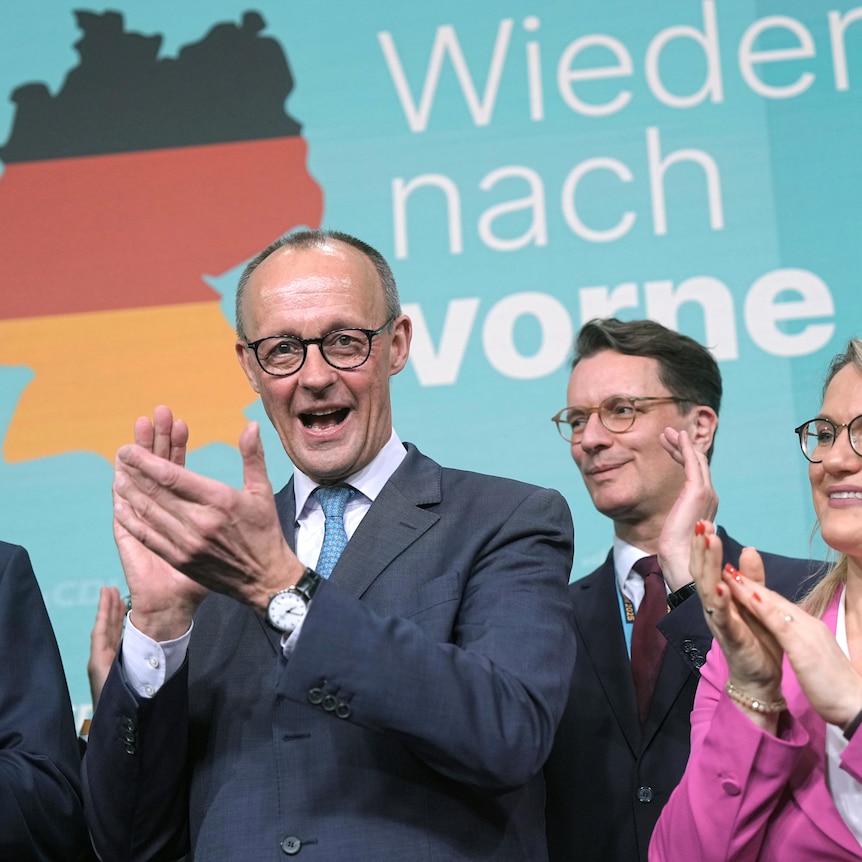
Recent elections in Berlin and Mecklenburg-Vorpommern have reshaped Germany’s political landscape. The Alternative for Germany (AfD) has surged, while the Christian Democratic Union (CDU) faces historic losses. These results highlight growing voter disillusionment with traditional parties and signal potential shifts in alliances and policy priorities.
Geopolitical & Strategic Context
Historical and Political Context
The local elections in Berlin and Mecklenburg-Vorpommern have revealed significant fractures in Germany’s political framework. The AfD, a far-right party, has made substantial gains, reflecting widespread dissatisfaction with established parties like the CDU and SPD. This shift occurs amidst broader socio-economic challenges, including rising living costs and migration debates.
The erosion of trust in traditional parties is not new but has become starkly evident in these elections.
Meanwhile, left-leaning parties such as the SPD and the Greens have seen gains in certain areas, signaling a pivot towards issues like social justice and climate change. However, the AfD’s rise raises concerns about the growing influence of populist rhetoric and its implications for political stability.
Strategic Implications
- ♦ Heightened pressure on traditional parties to reform their political strategies.
- ♦ Potential for new coalitions among left-leaning parties to counteract the AfD’s rise.
- ♦ Impact on Germany’s foreign policy, particularly within the EU framework.
- ♦ Increased focus on migration and national identity in political discourse.
Future Trajectories
Future Trajectories
The CDU and SPD are likely to undergo significant internal restructuring to regain voter trust. Concurrently, the AfD may capitalize on its electoral success to solidify its position as a major political force, altering dynamics at both federal and state levels.
On the international stage, these developments could influence Germany’s leadership role in the EU, particularly regarding migration and economic policies. The coming months will be pivotal in determining how political forces realign and adapt to this new landscape.

Prepared & Analyzed by: Strategic Studies Desk | AboMatrix