



Geopolitical Tensions and Security in Europe: Navigating the New Paradigm

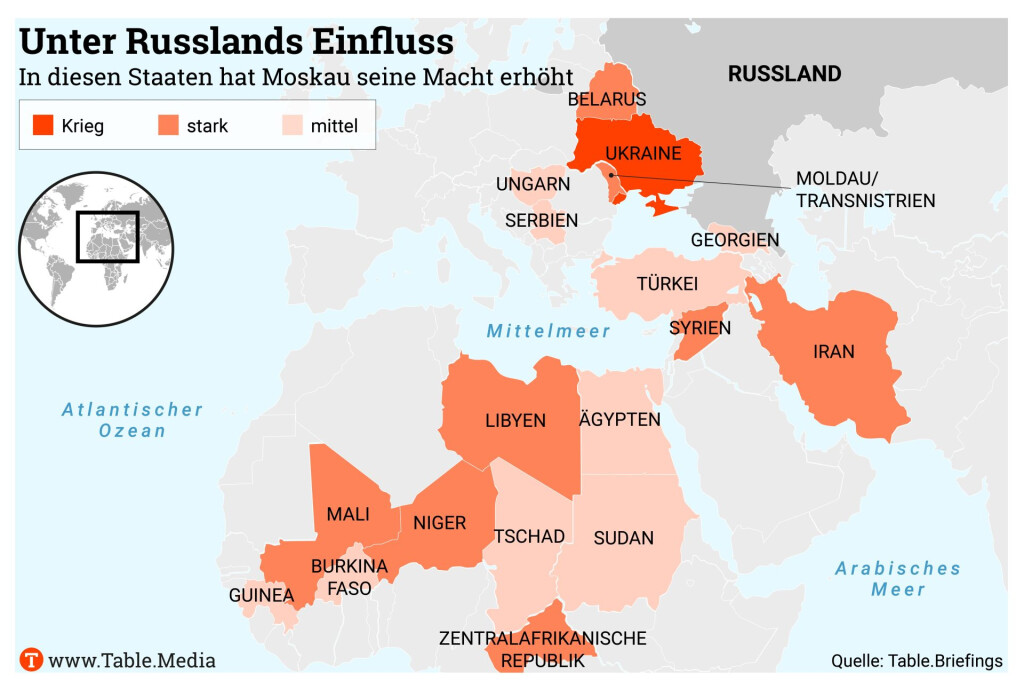
Geopolitical Tensions and Security in Europe: Navigating the New Paradigm
Executive Summary
This study examines the evolving geopolitical landscape in Europe, particularly in the context of heightened tensions with Russia and the implications for European security architecture. It synthesizes recent analyses on deterrence strategies, the role of NATO, and the impact of rising nationalism, particularly in France, on collective European security. The findings underscore the necessity for a cohesive and adaptive European defense strategy that integrates both conventional and nuclear deterrence, while also addressing the internal political dynamics that could disrupt unity in the face of external threats.
Strategic Context
The geopolitical landscape in Europe has undergone significant transformation in recent years, primarily driven by Russia’s aggressive actions in Ukraine and its broader ambitions in the region. The ongoing conflict has not only tested the resilience of NATO but has also prompted European nations to reassess their defense strategies and military capabilities. As the United States recalibrates its global priorities, European states find themselves under increasing pressure to bolster their own defense mechanisms and enhance strategic autonomy. This shift is particularly pertinent given the uncertainty surrounding U.S. commitments to NATO, which has historically served as the cornerstone of European security. The implications of this evolving dynamic are profound, as European nations must navigate the delicate balance between reliance on American military support and the imperative to develop independent defense capabilities that can respond to a range of threats, including hybrid warfare and cyber-attacks.
Moreover, the rise of nationalist political movements within Europe, exemplified by the potential ascendance of far-right leaders such as Marine Le Pen in France, poses additional challenges to the continent’s security architecture. A Le Pen presidency could herald a shift towards a more unilateral and confrontational foreign policy, undermining the collaborative spirit that has characterized European integration. As such, European policymakers must prepare for the ramifications of a potential political rupture in France, which could have cascading effects on NATO’s collective defense posture and the EU’s ability to act cohesively on the global stage.
Deep Analysis
The concept of deterrence in Europe is undergoing a critical reevaluation, particularly in light of the lessons learned from the ongoing conflict in Ukraine. Traditional notions of nuclear deterrence, which have long been the bedrock of European security, are being challenged by the realities of modern warfare. As highlighted by recent analyses, the notion that nuclear capabilities alone can safeguard European nations from aggression is increasingly seen as inadequate. The conflict has demonstrated that high-intensity warfare can occur below the nuclear threshold, necessitating a more nuanced approach to deterrence that incorporates both conventional military capabilities and strategic nuclear postures. European leaders must therefore engage in a comprehensive dialogue to develop a cohesive deterrence strategy that effectively combines these elements, ensuring that all member states share responsibility for collective security.
In this context, the role of NATO remains pivotal, yet its future effectiveness may hinge on the ability of European nations to enhance their defense capabilities independently of U.S. leadership. The evolving security environment demands that European states invest in modernizing their military forces, with a particular emphasis on developing long-range strike capabilities and cyber defense mechanisms. This shift is not merely a response to Russian aggression but also a recognition of the need for Europe to assert its strategic autonomy in an increasingly multipolar world. The integration of advanced technologies, such as artificial intelligence and unmanned systems, into military planning and operations will be essential for maintaining a competitive edge against potential adversaries.
Furthermore, the internal political dynamics within Europe, particularly the rise of nationalist movements, complicate the pursuit of a unified security strategy. The potential election of leaders like Marine Le Pen could lead to a fracturing of European solidarity, as such figures often prioritize national interests over collective European goals. This trend raises critical questions about the future of NATO and the EU’s ability to respond effectively to external threats. Policymakers must therefore engage in proactive measures to counteract the divisive rhetoric of nationalist parties and reinforce the importance of collective security in safeguarding national interests.
The implications of these geopolitical tensions extend beyond military considerations; they also encompass broader social and legal dynamics within European societies. The rise of nationalism can exacerbate societal divisions and undermine public support for collaborative defense initiatives. As European nations grapple with these challenges, it is imperative that they foster public discourse around the necessity of a cohesive security strategy that transcends national boundaries. This requires not only political will but also a commitment to addressing the underlying social grievances that fuel populist sentiments.
In conclusion, the current geopolitical tensions in Europe necessitate a comprehensive reassessment of security strategies that account for both external threats and internal political dynamics. The lessons learned from the Ukraine conflict underscore the importance of developing a multifaceted approach to deterrence that integrates conventional and nuclear capabilities while fostering unity among European nations. As the security landscape continues to evolve, European leaders must remain vigilant and adaptable, ensuring that they are prepared to respond to the complexities of a rapidly changing world.
Key Findings
- The traditional reliance on nuclear deterrence is insufficient in the face of modern hybrid warfare tactics employed by adversaries like Russia.
- European nations must enhance their military capabilities independently of U.S. leadership to ensure a cohesive and effective NATO response.
- The rise of nationalist political movements poses a significant threat to European unity and collective security efforts.
Policy Recommendations
- Develop a comprehensive European defense strategy that integrates both conventional and nuclear deterrence capabilities.
- Foster public discourse on the importance of collective security to counteract the divisive rhetoric of nationalist movements.
Conclusion
In light of the evolving geopolitical tensions and the challenges posed by rising nationalism, Europe must adopt a proactive and unified approach to security that prioritizes both military preparedness and social cohesion. The lessons from the Ukraine conflict serve as a clarion call for European nations to reassess their defense strategies and reinforce their commitment to collective security, ensuring that they are equipped to navigate the complexities of an uncertain future.