



G7 Summit: A Turning Point for Global Cooperation

G7 Summit: A Turning Point for Global Cooperation
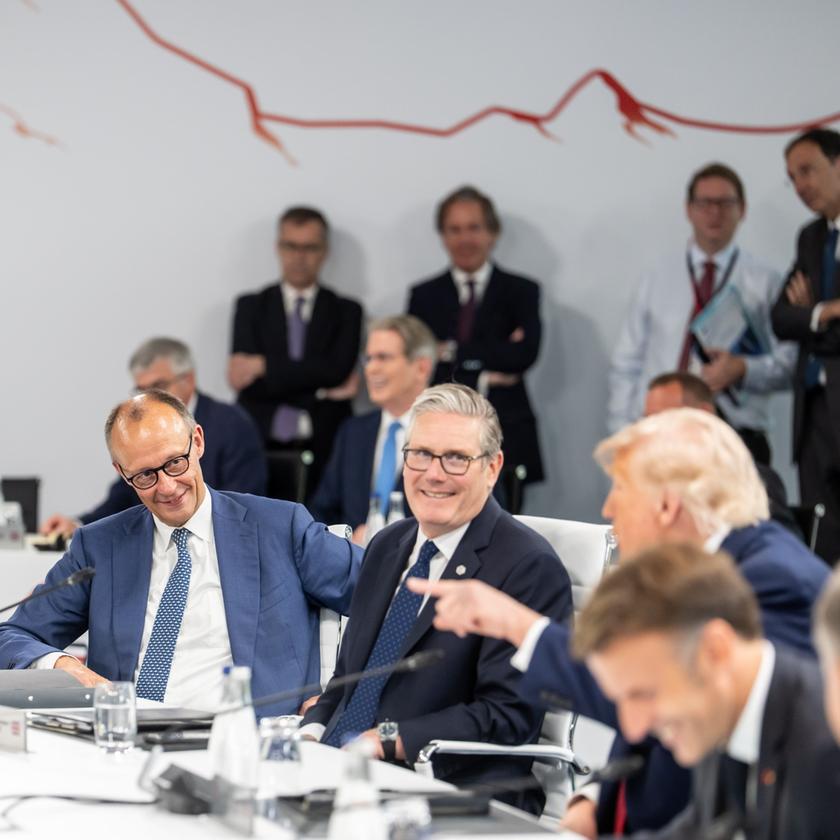
The recent G7 summit in Évian has been hailed as a significant success by leaders including German Chancellor Friedrich Merz and French President Emmanuel Macron. This summit marked a pivotal moment in international relations, particularly in the context of ongoing geopolitical tensions and economic challenges. The collaboration exhibited at this gathering raises questions about the future of global diplomacy and the effectiveness of multilateral platforms.
A Unified Voice on Global Issues
Chancellor Merz emphasized the importance of a ‘common language’ among G7 nations, noting that this summit produced a unified declaration for the first time since President Trump took office. This achievement is significant as it reflects a renewed commitment to addressing pressing foreign and security policy issues collaboratively. The positive atmosphere among the leaders, particularly Trump’s constructive engagement, indicates a shift towards a more cooperative international stance.
Strengthened Support for Ukraine and Sanctions on Russia
The G7 leaders collectively recognized the urgency of pressuring Russia to engage in negotiations regarding Ukraine. Their declaration included plans to intensify sanctions, particularly targeting the oil and gas sectors. Canada and the UK announced new sanctions, while Trump indicated a forthcoming reimposition of sanctions against Russian oil. This coordinated approach signifies a robust commitment to supporting Ukraine and addressing Russian aggression, reinforcing the G7’s role as a key player in global security.
Economic Strategies Against Global Dependencies
In light of vulnerabilities exposed by reliance on external suppliers, particularly from China, the G7 aims to limit imports of critical raw materials. The goal is to reduce dependence on non-G7 suppliers for rare earths and permanent magnets below 60% by 2030. This strategic move highlights the G7’s intent to safeguard economic stability and enhance resilience against geopolitical pressures.
A Historical Opportunity for Peace in Iran
The summit also fostered a collective hope for peace in Iran, with discussions centered on the potential for a sustainable opening of the Strait of Hormuz. The G7 expressed readiness to support the implementation of agreements aimed at ensuring regional security and preventing Iran from acquiring nuclear capabilities. This diplomatic effort underscores the G7’s commitment to stability in a critical global trade route.
الخلاصة: The Évian G7 summit has not only revitalized transatlantic relations but has also set the stage for a more unified approach to global challenges. As leaders like Merz and Macron celebrate this diplomatic success, the implications for future international cooperation and security are profound. The summit’s outcomes highlight the necessity of maintaining momentum in multilateral engagements, particularly as the world faces escalating geopolitical tensions and economic uncertainties.