



G7 Nations Intensify Pressure on Russia: A Strategic Shift

G7 Nations Intensify Pressure on Russia: A Strategic Shift
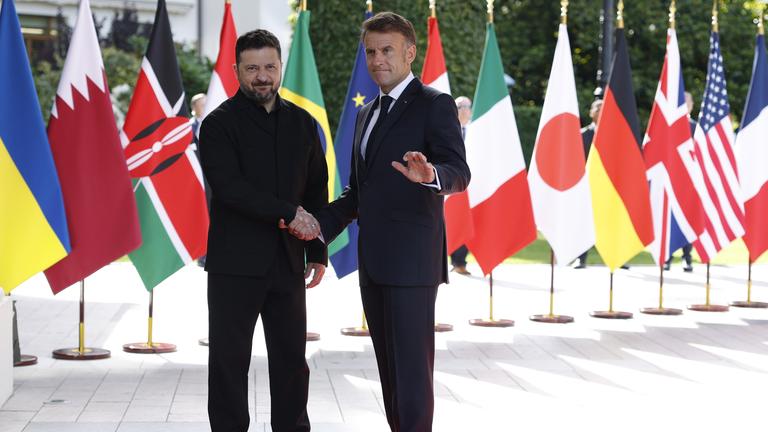
In a significant move during the G7 summit in Évian, world leaders have united to escalate pressure on Russia, aiming to bring about negotiations to end the ongoing conflict in Ukraine. This shift reflects a changing dynamic on the battlefield and a collective determination to support Ukraine while confronting Russian aggression.
A Unified Front Against Aggression
The G7 leaders, including US President Donald Trump and Ukrainian President Volodymyr Zelenskyy, expressed a strong consensus on the need to increase pressure on Russia. Reports indicate that the battlefield situation has improved for Ukraine, prompting the G7 to advocate for heightened support for the Ukrainian forces. This unified stance marks a notable shift in tone, with European leaders presenting a cohesive front against Russian actions, emphasizing that Russia cannot win the war and is under significant pressure.
New Sanctions and Strategic Measures
As part of their commitment to increasing pressure, British Prime Minister Keir Starmer announced a series of new sanctions against Russia. These measures, which include targeting Russia’s shadow fleet and its military procurement networks, aim to disrupt the financial and logistical support for the Russian war machine. The G7’s collective strategy is not just about military support for Ukraine but also about crippling the economic foundations that sustain Russian aggression, thereby fostering a pathway to peace on the continent.
الخلاصة: The G7 summit in Évian signifies a pivotal moment in international relations regarding the Ukraine conflict. By intensifying pressure on Russia through sanctions and unified support for Ukraine, the G7 leaders are not only responding to the immediate crisis but are also reshaping the geopolitical landscape. The call for negotiations reflects a recognition that a diplomatic resolution is essential, but it must be grounded in a position of strength against aggression.