



Evaluating the New Screening Process in Lampedusa: Implications for EU Migration Policy
The recent implementation of a new screening process in Lampedusa, spearheaded by Frontex, the European Union Agency for Asylum (EUAA), and Europol, marks a significant...

Evaluating the New Screening Process in Lampedusa: Implications for EU Migration Policy
⏱ 3 min read
Executive Summary
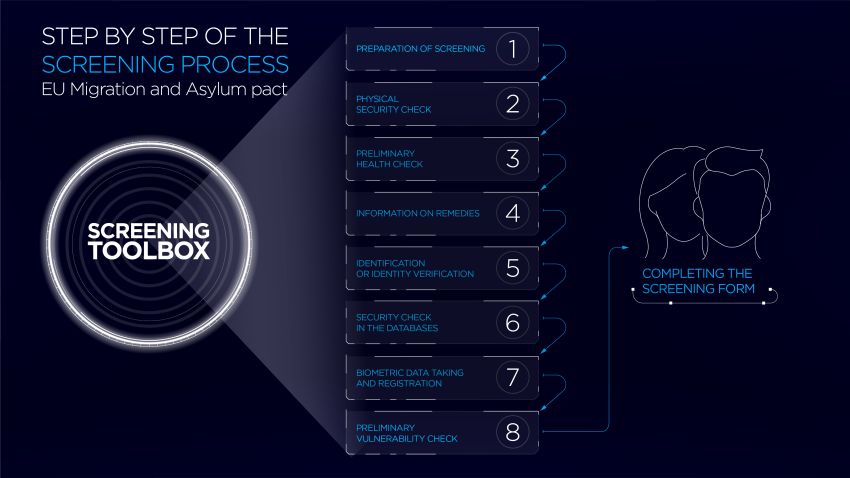
The recent implementation of a new screening process in Lampedusa, spearheaded by Frontex, the European Union Agency for Asylum (EUAA), and Europol, marks a significant development in the EU’s approach to migration and asylum. This initiative aims to streamline the identification and processing of migrants arriving on Italian shores, aligning with the broader objectives of the EU Pact on Migration and Asylum. However, the effectiveness and ethical implications of this policy remain contentious, raising concerns about the treatment of migrants and the adequacy of legal protections.
Strategic Context
Lampedusa, a small Italian island located between Sicily and Tunisia, has long been a focal point for migrants attempting to reach Europe. The island’s geographical position makes it a primary entry point for those fleeing conflict, persecution, and economic hardship in North Africa and the Middle East. Over the years, the EU has grappled with how to manage these influxes, leading to various policy responses that often reflect the political climate and public sentiment surrounding migration. The EU Pact on Migration and Asylum, introduced in 2020, aims to create a more cohesive and efficient framework for managing migration across member states, emphasizing solidarity and responsibility-sharing among countries.
Deep Analysis
The new screening process in Lampedusa represents a critical test of the EU’s migration policy framework. By integrating the efforts of Frontex, EUAA, and Europol, the initiative seeks to enhance the efficiency of migrant processing and improve the accuracy of identity verification. However, this approach raises significant concerns regarding the potential for expedited procedures that may compromise the rights of individuals seeking asylum. Critics argue that the focus on rapid processing could lead to inadequate assessments of protection needs, particularly for vulnerable populations such as unaccompanied minors and victims of trafficking. Furthermore, the involvement of law enforcement agencies like Europol may exacerbate fears among migrants regarding criminalization and detention.
Impact on Migrants
For migrants arriving in Lampedusa, the new screening process could have profound implications for their legal status and access to asylum. While the intention is to create a more streamlined and efficient system, there is a risk that the expedited nature of the process may result in hasty decisions that overlook individual circumstances. This could lead to increased rates of rejection for asylum claims, particularly for those who may not have the resources or knowledge to navigate the complexities of the new system. Additionally, the potential for increased surveillance and policing may deter migrants from seeking help or disclosing critical information about their situations, further complicating their ability to secure protection.
Outlook & Conclusion
Looking ahead, the success of the new screening process in Lampedusa will depend on its implementation and the safeguards established to protect the rights of migrants. As the EU continues to refine its migration policies, it is imperative that the focus remains on upholding human rights and ensuring that all individuals have access to fair and thorough asylum procedures. The outcomes of this initiative will likely influence future migration strategies across Europe, highlighting the need for a balanced approach that prioritizes both security and humanitarian considerations.
Anchor Source: news.google.com | Analyzed by AboMatrix AI Engine