



Evaluating the Asylum Procedure in Germany: Challenges and Opportunities
This briefing paper examines the current asylum procedure in Germany, highlighting recent reforms aimed at streamlining processes and addressing the challenges faced by...

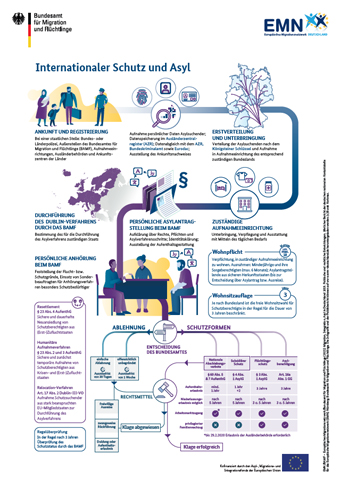
Evaluating the Asylum Procedure in Germany: Challenges and Opportunities
⏱ 2 min read
Executive Summary
This briefing paper examines the current asylum procedure in Germany, highlighting recent reforms aimed at streamlining processes and addressing the challenges faced by migrants and refugees. The analysis underscores the political motivations behind these changes and their implications for the integration of asylum seekers into German society.
Strategic Context
Germany has been a key destination for asylum seekers in Europe, particularly during the 2015 refugee crisis, which saw a significant influx of individuals fleeing conflict and persecution. The country’s robust legal framework for asylum, governed by the Basic Law and the Asylum Act, has historically provided strong protections for refugees. However, the increasing number of applications and the complexity of the asylum process have prompted calls for reform to enhance efficiency and effectiveness in handling claims.
Deep Analysis
Recent policy changes in Germany’s asylum procedure reflect a dual approach of increasing administrative efficiency while maintaining humanitarian commitments. The Federal Office for Migration and Refugees (BAMF) has implemented measures to expedite application processing times, including the establishment of specialized decision-making units and improved training for staff. These reforms are politically motivated by the need to balance public concerns over migration with Germany’s international obligations to protect those in need. Furthermore, the government aims to reduce backlogs that have plagued the system, which can lead to prolonged uncertainty for applicants.
Impact on Migrants
The reforms to the asylum procedure have significant implications for migrants and refugees. On one hand, expedited processing can lead to quicker resolutions of asylum claims, allowing individuals to integrate into society sooner. However, there are concerns that the rush to process claims may compromise the thoroughness of assessments, potentially jeopardizing the rights of vulnerable populations. Additionally, the increased focus on efficiency may inadvertently prioritize economic migrants over those fleeing persecution, raising ethical questions about the fairness of the system.
Outlook & Conclusion
Looking ahead, the future of Germany’s asylum procedure will depend on the government’s ability to balance efficiency with the protection of human rights. Continuous monitoring and evaluation of the reforms will be essential to ensure that the system remains fair and just, while also addressing the legitimate concerns of the public regarding migration. As Germany navigates these challenges, it must reaffirm its commitment to upholding the principles of asylum and integration, fostering a society that values diversity and inclusivity.
Anchor Source: news.google.com | Analyzed by AboMatrix AI Engine