



Europe’s Strategic Shift: Reassessing Belarus Policy Amid Russian Influence

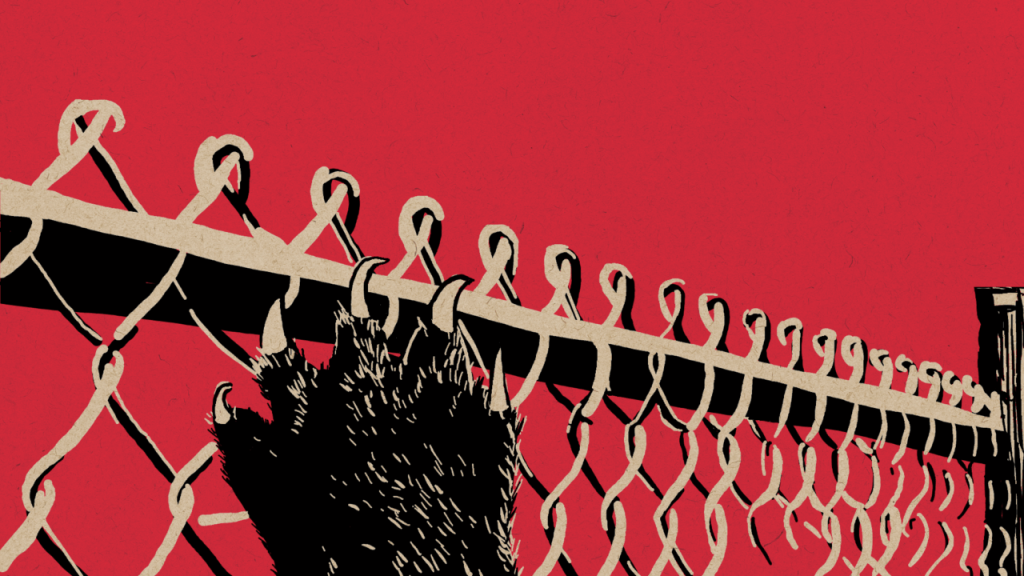
Europe’s Strategic Shift: Reassessing Belarus Policy Amid Russian Influence
⏱ 3 min read
Executive Summary
The European Union is pivoting its approach to Belarus, moving beyond sanctions to foster autonomy from Russia while addressing security threats and supporting Belarusian exiles. This strategy aims to reduce Russian entrenchment and stabilize Europe’s eastern borders.
Strategic Context
Geopolitical Background: Belarus’s Role in European Security
Belarus, a landlocked nation in Eastern Europe, has historically served as a buffer state between Russia and the European Union. Its strategic location, bordered by Poland, Lithuania, Latvia, Ukraine, and Russia, makes it a critical player in regional stability. However, the disputed 2020 presidential election and subsequent violent repression of protests marked a turning point in EU-Belarus relations, leading to diplomatic isolation and sanctions.
Russia’s 2022 invasion of Ukraine further accelerated Belarus’s integration into Moscow’s military strategy. Belarus has since become a rear-operating base for Russian forces, hosting missiles, tanks, and other military infrastructure. This deepened dependency on Russia has transformed Belarus from a problematic buffer state into a satellite state, posing significant security challenges for Europe.
In-Depth Analysis
Policy Motivations: Why Europe Must Rethink Its Approach
Sanctions and Isolation: A Double-Edged Sword
The EU’s reliance on sanctions has inadvertently pushed Belarus closer to Russia. While sanctions aim to penalize authoritarian governance and human rights abuses, they have also created economic voids that Russia has exploited, deepening Belarus’s dependency. This approach risks further entrenching Russian influence rather than fostering Belarusian autonomy.
Military Threats: The Growing Security Challenge
Belarus’s role as a host for Russian military infrastructure, including nuclear-capable systems, has heightened security concerns along Europe’s eastern borders. Countries like Poland, Latvia, and Lithuania face increased risks of coercion and destabilization. The EU must complement NATO’s deterrence strategies with targeted support for these vulnerable states.
Diplomatic Engagement: A Pragmatic Path Forward
Europe must explore avenues for diplomatic negotiation to reduce Belarus’s reliance on Moscow. Recent developments, such as Belarus’s removal of Russian signal relay stations under pressure, suggest that Lukashenko retains some decision-making autonomy. Leveraging this autonomy could open pathways for dialogue and incremental policy shifts.
Impact on Migrants
Legal and Social Implications for Migrants
Support for Belarusian Exiles
The EU’s revised strategy emphasizes support for Belarusian exiles and diaspora communities. This includes legal protections, asylum opportunities, and integration programs for those fleeing political persecution. Such measures aim to uphold human rights while fostering solidarity with Belarusian dissidents.
Regional Stability and Migration Flows
By addressing security threats and stabilizing Europe’s eastern borders, the EU seeks to prevent large-scale displacement caused by conflict or authoritarian repression. A stable Belarus could reduce migration pressures on neighboring states, ensuring more predictable and manageable migration flows across the region.
Outlook & Conclusion
Future Outlook: Balancing Security and Autonomy
The EU’s shift from sanctions to pragmatic engagement marks a critical evolution in its Belarus policy. By fostering autonomy and addressing security threats, Europe can mitigate Russian influence while supporting Belarusian exiles. However, long-term success depends on sustained diplomatic efforts and regional cooperation.

Prepared & Analyzed by: Migration Policy Unit | AboMatrix