



EU Migration Policy: Accountability and Afghanistan Engagement

EU Migration Policy: Accountability and Afghanistan Engagement
⏱ 3 min read
Executive Summary
The European Commission faces scrutiny over a senior official’s unrecorded visit to Afghanistan, highlighting gaps in transparency and accountability within EU migration policy. This incident raises critical questions about institutional oversight and the handling of migrant return orders in high-risk regions.
Strategic Context
Historical Context: EU Migration Policies and Afghanistan
Migration policy in the European Union has long been a contentious issue, particularly concerning high-risk regions like Afghanistan. Since the Taliban’s return to power in August 2021, Afghanistan has become a focal point for humanitarian concerns and migration debates. The EU has struggled to balance security interests, humanitarian obligations, and legal frameworks for asylum and deportation.
Afghanistan’s instability has led to a surge in asylum applications from Afghan nationals across Europe. However, EU member states have increasingly prioritized deportations, citing security risks and the need to manage migration flows. This approach has sparked criticism from human rights organizations, who argue that returning individuals to Afghanistan under Taliban rule violates international protections for refugees.
In-Depth Analysis
Policy Motivations Behind the Visit
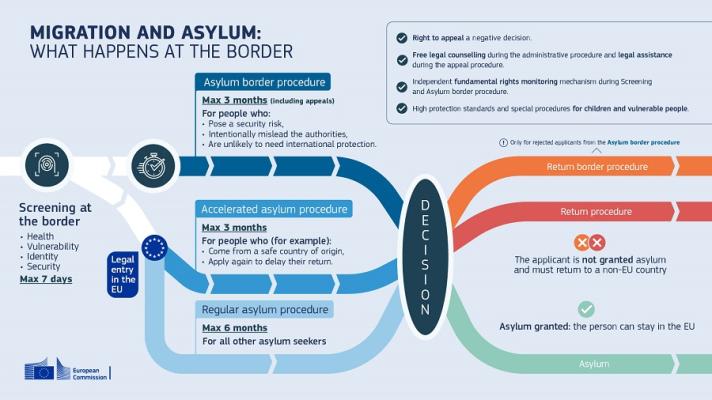
The unrecorded visit by Johannes Luchner, the deputy-director general of the European Commission’s home affairs branch, underscores the EU’s focus on deporting individuals with criminal records and enforcing return orders for non-criminal migrants. His statement to MEPs reveals a prioritization of security concerns over broader migration issues, such as legal pathways or humanitarian aid.
However, the lack of documentation surrounding this visit raises serious questions about institutional accountability. Was this trip coordinated with Belgian authorities alone, or did it bypass standard EU protocols? Either scenario points to systemic weaknesses in the Commission’s operational transparency.
Max Weber’s concept of the ‘iron cage’ aptly describes the bureaucratic inertia within the EU. The Commission’s inability to provide records or clarify the visit’s purpose reflects a growing disconnect between its procedural rigidity and the need for clear, accountable governance in migration policy.
Impact on Migrants
Legal and Human Implications for Migrants
The focus on deportations, particularly to high-risk regions like Afghanistan, has profound implications for migrants. Many Afghan nationals face dire consequences upon return, including persecution, violence, and lack of access to basic rights under Taliban rule. This policy risks violating international refugee protections, such as the principle of non-refoulement, which prohibits returning individuals to places where they face serious harm.
Additionally, the absence of transparency in decision-making processes undermines trust among migrant communities. When policies are perceived as opaque or arbitrary, migrants and refugees may feel further marginalized, complicating efforts to foster integration and cooperation within host countries.
Outlook & Conclusion
Future Outlook
As the EU navigates complex migration challenges, it must prioritize transparency and accountability to rebuild trust and ensure compliance with international legal standards. Clear documentation, robust oversight, and a balanced approach to security and humanitarian concerns are essential for creating fair and effective migration policies.

Prepared & Analyzed by: Migration Policy Unit | AboMatrix