



EU Migration Crisis: Ceuta’s Border Challenges and Policy Shifts

EU Migration Crisis: Ceuta’s Border Challenges and Policy Shifts
⏱ 3 min read
Executive Summary
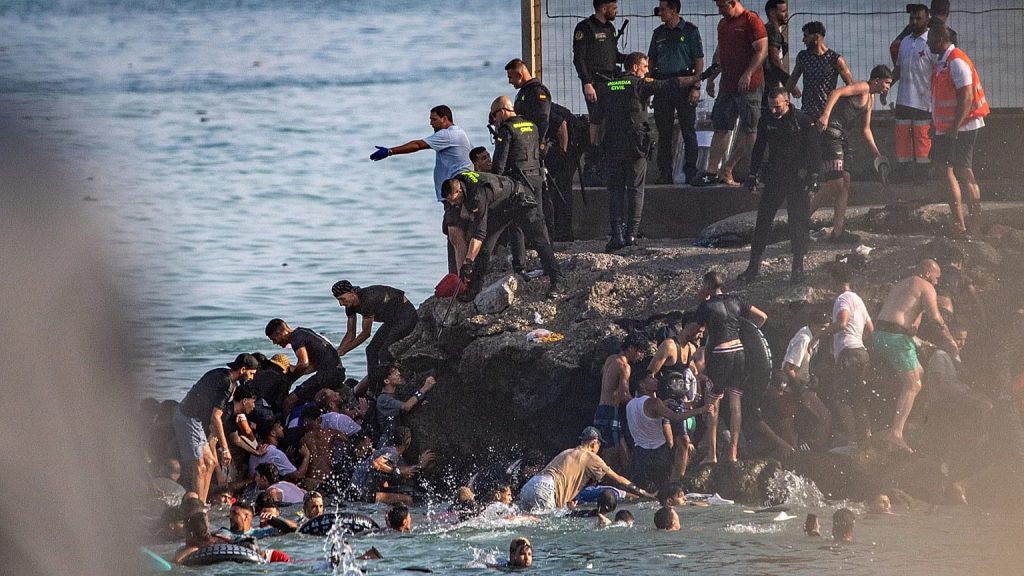
The recent mass sea crossings into Spain’s Ceuta enclave have triggered significant policy responses across the EU, including tightened border controls, military deployments, and calls to suspend Spain’s Schengen membership. These measures highlight growing tensions between humanitarian obligations and security concerns, as the EU seeks to balance migration management with regional stability.
Strategic Context
Historical Context: Ceuta’s Strategic Position
Ceuta, a Spanish autonomous city located on the northern coast of Africa, has long been a focal point for migration due to its proximity to Morocco. As one of the EU’s external borders, it represents both an entry point for migrants seeking refuge in Europe and a geopolitical hotspot for managing migration flows.
In recent years, Ceuta has seen increasing numbers of migrants attempting perilous crossings by sea or land. These movements are often driven by economic hardship, political instability, and the hope for better opportunities in Europe. However, the enclave’s limited resources and small population of 83,500 residents make it particularly vulnerable to sudden influxes, as seen in the recent crisis.
In-Depth Analysis
Policy Motivations: Security vs. Humanitarian Concerns
The EU’s response to the Ceuta crisis underscores a growing emphasis on border security. Spain’s deployment of military forces and the activation of France’s Rapid Intervention Border Force reflect a prioritization of territorial integrity and the prevention of irregular migration. These measures are framed as necessary to maintain order and protect EU borders.
However, the crisis has also exposed divisions within the EU. Calls from leaders like Italy’s Giorgia Meloni to suspend Spain’s Schengen membership highlight the tension between free movement within the EU and the need to manage external borders effectively. This debate raises questions about the future of Schengen cooperation and the balance between national and collective interests.
Morocco’s designation as a ‘safe country’ further complicates the situation. While this status facilitates cooperation on migration management, it limits the asylum prospects for Moroccan nationals, leaving many stranded in legal limbo. The EU’s reliance on external partnerships, such as its strategic relationship with Morocco, reflects a broader trend of outsourcing migration control to neighboring states.
Impact on Migrants
Legal and Human Implications
For the migrants involved, the immediate impact of these policies is stark. The swift return of over 48,000 individuals to Morocco demonstrates the EU’s commitment to preventing irregular migration. However, this approach raises concerns about the safety and rights of those returned, particularly given reports of drownings and overcrowded reception facilities.
On a social level, the crisis highlights the vulnerability of migrants undertaking dangerous crossings. The lack of legal pathways for Moroccan nationals to seek asylum in Ceuta exacerbates their plight, leaving many with few options but to attempt risky journeys. Humanitarian organizations, such as No Name Kitchen, have called for increased support and resources to address the needs of migrants and prevent further tragedies.
Outlook & Conclusion
Future Outlook
The Ceuta crisis serves as a stark reminder of the challenges facing EU migration policy. While immediate measures may address security concerns, long-term solutions will require a more balanced approach that prioritizes both border management and the protection of human rights. Strengthening legal pathways for migration and enhancing cooperation with neighboring countries like Morocco will be essential to prevent future crises and ensure a humane response to migration.

Prepared & Analyzed by: Migration Policy Unit | AboMatrix