



EU Heatwave Sparks Feudalism Allegations

Daily Monitor
September 20, 2026
EU Heatwave Sparks Feudalism Allegations
As Brussels swelters under a heatwave, EU staff criticize unequal cooling policies in the Commission’s headquarters.
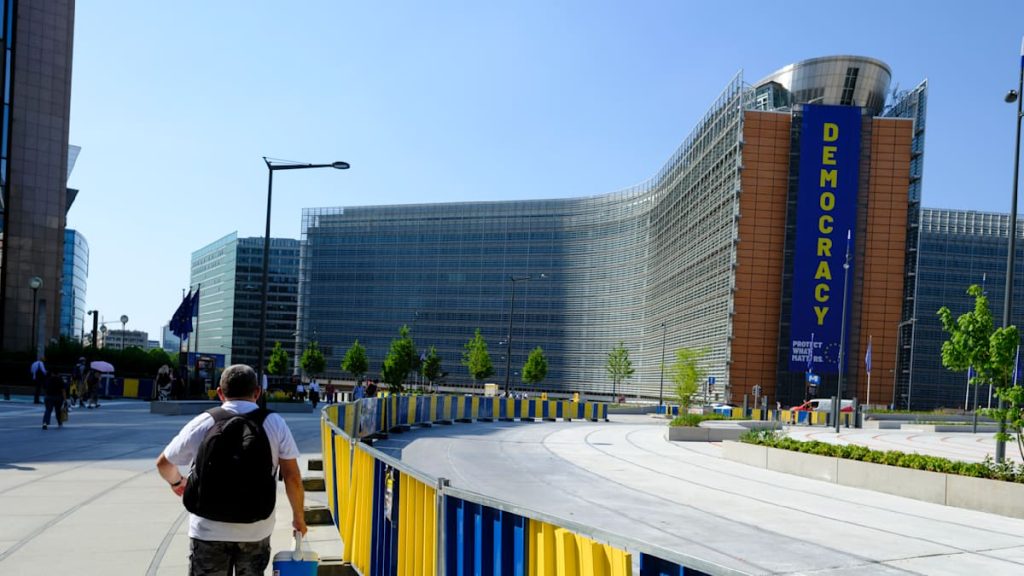
The European Commission’s headquarters in Brussels, the iconic Berlaymont building, has become the center of controversy amidst a record-breaking heatwave sweeping across Europe. On Friday, the Commission announced the shutdown of air conditioning systems across the building’s lower seven floors due to extreme weather conditions. However, the cooling systems remained operational in the upper floors, where Commission President Ursula von der Leyen and her 26 commissioners work, sparking outrage among staff members who labeled the decision as reminiscent of ‘feudalism.’
The decision was communicated via a midday text message to employees, informing them of the enforced shutdown for the remainder of the day. The Berlaymont building, which houses approximately 3,000 staff members, has 13 floors. While von der Leyen’s office is located on the 13th floor, most commissioners occupy offices on the 8th floor or higher—areas that continued to benefit from air conditioning. This disparity has led to accusations of preferential treatment, with one employee describing the situation as a ‘disgrace.’ Another staff member from the eighth floor noted that even with functioning air conditioning, temperatures reached an uncomfortable 25.7 degrees Celsius.
The timing of the shutdown coincided with a severe heatwave that has gripped Belgium and much of Europe, with temperatures soaring to nearly 40 degrees Celsius. In response to the extreme weather, the Commission had earlier issued guidelines advising employees to avoid outdoor activities during peak heat hours, stay hydrated, and consider starting work earlier in the day. However, these measures did little to quell the growing frustration among staff, particularly those working in buildings without air conditioning, such as the Directorate-General for Agriculture (DG AGRI).
The controversy has drawn attention to broader issues of workplace equity and the optics of leadership decisions during crises. Critics argue that the unequal distribution of cooling resources undermines the Commission’s credibility and highlights a disconnect between its leadership and rank-and-file employees. The incident has sparked wider discussions about the need for transparent and equitable policies, especially in institutions that represent democratic values on a global stage. As temperatures continue to rise, the Commission faces mounting pressure to address these grievances and restore trust among its workforce.
The decision was communicated via a midday text message to employees, informing them of the enforced shutdown for the remainder of the day. The Berlaymont building, which houses approximately 3,000 staff members, has 13 floors. While von der Leyen’s office is located on the 13th floor, most commissioners occupy offices on the 8th floor or higher—areas that continued to benefit from air conditioning. This disparity has led to accusations of preferential treatment, with one employee describing the situation as a ‘disgrace.’ Another staff member from the eighth floor noted that even with functioning air conditioning, temperatures reached an uncomfortable 25.7 degrees Celsius.
The timing of the shutdown coincided with a severe heatwave that has gripped Belgium and much of Europe, with temperatures soaring to nearly 40 degrees Celsius. In response to the extreme weather, the Commission had earlier issued guidelines advising employees to avoid outdoor activities during peak heat hours, stay hydrated, and consider starting work earlier in the day. However, these measures did little to quell the growing frustration among staff, particularly those working in buildings without air conditioning, such as the Directorate-General for Agriculture (DG AGRI).
The controversy has drawn attention to broader issues of workplace equity and the optics of leadership decisions during crises. Critics argue that the unequal distribution of cooling resources undermines the Commission’s credibility and highlights a disconnect between its leadership and rank-and-file employees. The incident has sparked wider discussions about the need for transparent and equitable policies, especially in institutions that represent democratic values on a global stage. As temperatures continue to rise, the Commission faces mounting pressure to address these grievances and restore trust among its workforce.
Drafted & Edited by Investigative Desk | AboMatrix