



EU Extends Refugee Protections, Excludes Ukrainian Men

Daily Monitor
September 21, 2026
EU Extends Refugee Protections, Excludes Ukrainian Men
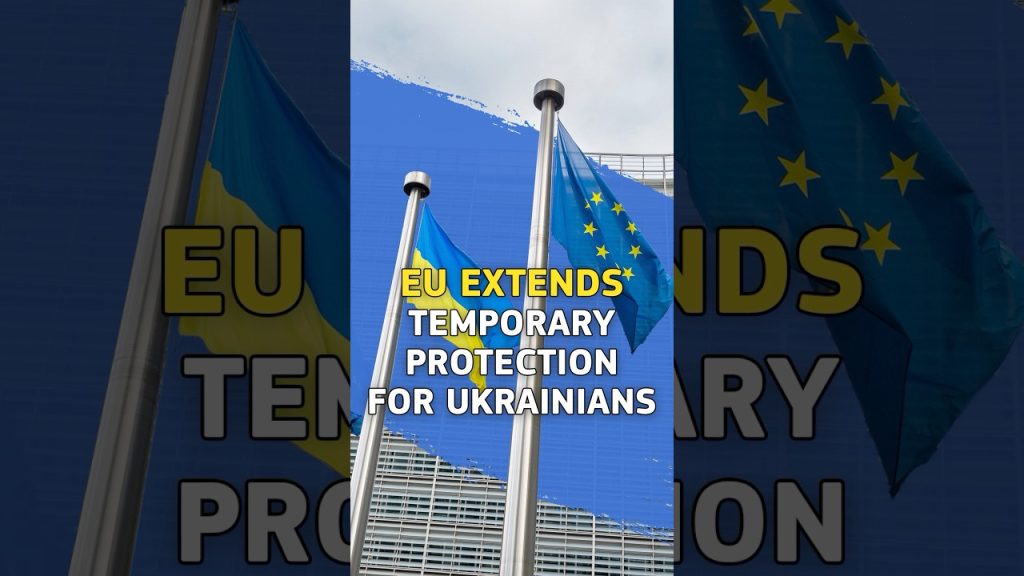
The European Union has extended temporary protection for Ukrainian refugees but controversially excluded military-age men from the policy.
In a move that underscores the European Union’s continued support for Ukraine amidst its prolonged conflict with Russia, the bloc has announced an extension of temporary protection status for millions of Ukrainian refugees. This policy, initially introduced in 2022, has provided critical support to over 4.4 million displaced Ukrainians, offering them access to housing, healthcare, education, and social welfare benefits. However, the latest decision has sparked controversy due to a significant exclusion: military-age men, defined as those between 23 and 60 years old, will no longer be eligible for this protection if they arrive in the EU after the new rules take effect.
The European Commission, which proposed the extension through March 2027, justified the exclusion by citing Ukraine’s urgent need to bolster its military ranks. EU Migration Commissioner Magnus Brunner stated, ‘Temporary protection should not be granted to newly arriving persons who are not allowed to leave Ukraine because of their military obligations under Ukrainian law.’ This decision aligns with Kyiv’s request to tighten refugee policies in a bid to sustain its war effort, now in its fifth year of full-scale conflict.
Critics argue that the policy effectively prioritizes geopolitical strategy over humanitarian principles. While the EU has been lauded for its generosity in hosting millions of Ukrainian refugees, the exclusion of military-age men raises ethical questions about the balance between supporting Ukraine’s sovereignty and respecting individual rights. Observers have noted that this move could force many men back into a warzone, a prospect some have described as a ‘return to the meatgrinder.’
The policy does not retroactively affect Ukrainian men already residing in the EU under temporary protection. However, its implementation could create a stark divide between those who fled earlier in the conflict and those seeking refuge in the future. The proposal now awaits approval from the EU’s 27 member states, with officials expressing confidence that it will be enacted within weeks.
As the war in Ukraine grinds on, the EU faces mounting pressure to balance its commitment to humanitarian values with the geopolitical realities of supporting a nation at war. This latest policy decision highlights the complex and often contentious interplay between these priorities, leaving many to question whether the EU’s approach truly serves the best interests of all Ukrainians.
The European Commission, which proposed the extension through March 2027, justified the exclusion by citing Ukraine’s urgent need to bolster its military ranks. EU Migration Commissioner Magnus Brunner stated, ‘Temporary protection should not be granted to newly arriving persons who are not allowed to leave Ukraine because of their military obligations under Ukrainian law.’ This decision aligns with Kyiv’s request to tighten refugee policies in a bid to sustain its war effort, now in its fifth year of full-scale conflict.
Critics argue that the policy effectively prioritizes geopolitical strategy over humanitarian principles. While the EU has been lauded for its generosity in hosting millions of Ukrainian refugees, the exclusion of military-age men raises ethical questions about the balance between supporting Ukraine’s sovereignty and respecting individual rights. Observers have noted that this move could force many men back into a warzone, a prospect some have described as a ‘return to the meatgrinder.’
The policy does not retroactively affect Ukrainian men already residing in the EU under temporary protection. However, its implementation could create a stark divide between those who fled earlier in the conflict and those seeking refuge in the future. The proposal now awaits approval from the EU’s 27 member states, with officials expressing confidence that it will be enacted within weeks.
As the war in Ukraine grinds on, the EU faces mounting pressure to balance its commitment to humanitarian values with the geopolitical realities of supporting a nation at war. This latest policy decision highlights the complex and often contentious interplay between these priorities, leaving many to question whether the EU’s approach truly serves the best interests of all Ukrainians.
Drafted & Edited by Investigative Desk | AboMatrix