



EU Battles Foreign Disinformation Warfare

Daily Monitor
September 22, 2026
EU Battles Foreign Disinformation Warfare
The European Union is intensifying efforts to combat disinformation campaigns orchestrated by foreign powers like Russia and China, which aim to destabilize democratic institutions and sow societal discord.
In an era where information is weaponized, the European Union finds itself at the forefront of a battle against foreign disinformation campaigns. These efforts, spearheaded by the EU’s diplomatic service, aim to counteract the billions of euros invested annually by Russia and China in manipulating public opinion across Europe. The stakes are high, as these campaigns seek to exploit societal divisions, undermine democratic processes, and erode trust in institutions.
One recent example highlights the gravity of this challenge. In June, a fire at Kyiv’s historic Monastery of the Caves became the subject of a disinformation campaign. The Russian Defense Ministry claimed that an American Patriot missile system caused the blaze due to a technical malfunction. EU experts swiftly debunked this narrative, pointing out the lack of evidence and emphasizing that any missile activity would have been a defensive response to Russian aggression. This incident is now cataloged in the EU’s disinformation database, a critical tool in its fight against foreign interference.
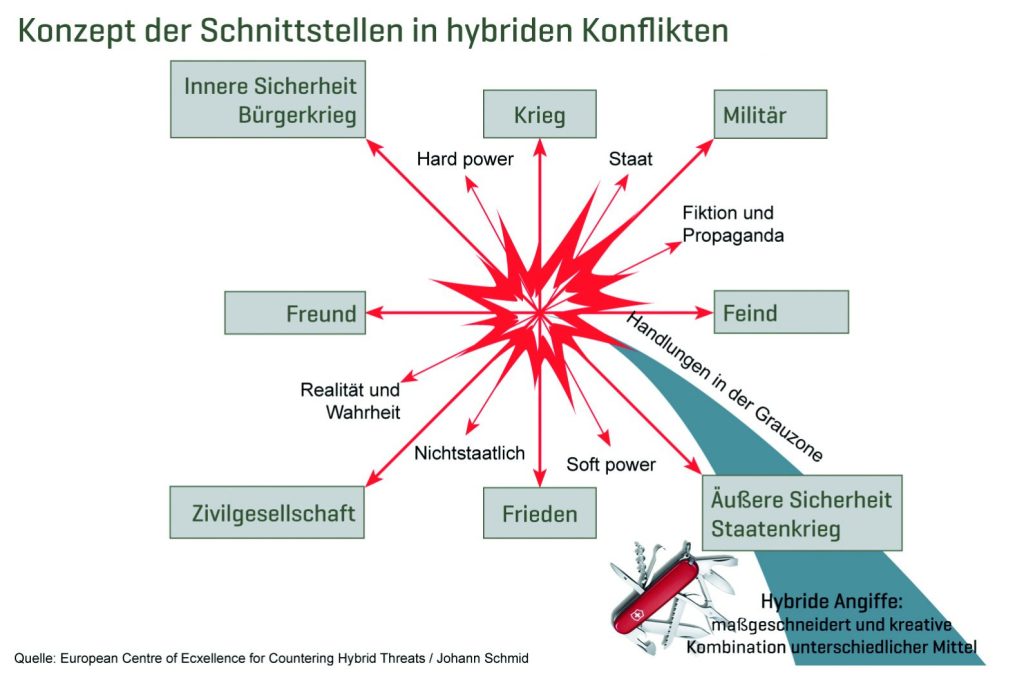
The EU’s efforts are part of a broader strategy to address what is known as ‘hybrid warfare,’ a blend of military and non-military tactics designed to destabilize nations. Despite the urgency, the EU faces a stark resource imbalance. While Russia and China collectively spend billions on their information warfare, the EU’s diplomatic service operates with a modest budget of just €10 million. This disparity underscores the uphill battle faced by European experts tasked with safeguarding the continent’s informational integrity.
The scope of foreign interference is vast. According to the EU’s 2025 annual threat report, 540 incidents of foreign information manipulation and interference (FIMI) were recorded, with nearly one-third attributed to Russia and six percent to China. The remaining cases, though harder to trace, often bear hallmarks of these two nations. The tactics employed range from amplifying legitimate criticisms to targeting elections and political figures, including Ukrainian President Volodymyr Zelenskyy and EU Commission President Ursula von der Leyen.
As the EU refines its approach, the focus is shifting from debunking individual falsehoods to analyzing the methods behind disinformation campaigns. This strategic pivot allows for a more efficient response, using checklists to identify and counteract manipulation tactics. Ultimately, the EU’s mission transcends individual incidents; it is a long-term endeavor to protect democratic values and ensure resilience against the corrosive effects of foreign interference.
One recent example highlights the gravity of this challenge. In June, a fire at Kyiv’s historic Monastery of the Caves became the subject of a disinformation campaign. The Russian Defense Ministry claimed that an American Patriot missile system caused the blaze due to a technical malfunction. EU experts swiftly debunked this narrative, pointing out the lack of evidence and emphasizing that any missile activity would have been a defensive response to Russian aggression. This incident is now cataloged in the EU’s disinformation database, a critical tool in its fight against foreign interference.
The EU’s efforts are part of a broader strategy to address what is known as ‘hybrid warfare,’ a blend of military and non-military tactics designed to destabilize nations. Despite the urgency, the EU faces a stark resource imbalance. While Russia and China collectively spend billions on their information warfare, the EU’s diplomatic service operates with a modest budget of just €10 million. This disparity underscores the uphill battle faced by European experts tasked with safeguarding the continent’s informational integrity.
The scope of foreign interference is vast. According to the EU’s 2025 annual threat report, 540 incidents of foreign information manipulation and interference (FIMI) were recorded, with nearly one-third attributed to Russia and six percent to China. The remaining cases, though harder to trace, often bear hallmarks of these two nations. The tactics employed range from amplifying legitimate criticisms to targeting elections and political figures, including Ukrainian President Volodymyr Zelenskyy and EU Commission President Ursula von der Leyen.
As the EU refines its approach, the focus is shifting from debunking individual falsehoods to analyzing the methods behind disinformation campaigns. This strategic pivot allows for a more efficient response, using checklists to identify and counteract manipulation tactics. Ultimately, the EU’s mission transcends individual incidents; it is a long-term endeavor to protect democratic values and ensure resilience against the corrosive effects of foreign interference.
Drafted & Edited by Investigative Desk | AboMatrix