



El Niño Fuels Surge in Extreme Weather

Daily Monitor
September 15, 2026
El Niño Fuels Surge in Extreme Weather
The UN warns of intensified heatwaves and extreme weather as El Niño gains strength globally.
The United Nations’ World Meteorological Organization (WMO) has issued a stark warning: the weather phenomenon El Niño is intensifying, significantly increasing the likelihood of global heatwaves, torrential rains, and other extreme weather events in the coming months. This development, outlined in the WMO’s latest climate report, underscores the urgent need for global preparedness as the planet braces for escalating climate disruptions.
El Niño, a recurring climatic pattern characterized by warming sea surface temperatures in the tropical Pacific, is expected to reach its second-highest intensity level this year. According to WMO scientist Alvaro Silva, this phenomenon will not only amplify the frequency of extreme weather events but also contribute to a further rise in global temperatures. ‘The conditions for El Niño have developed and are projected to strengthen rapidly in the coming months,’ the WMO stated, adding that the phenomenon is likely to peak during the Northern Hemisphere’s autumn season.
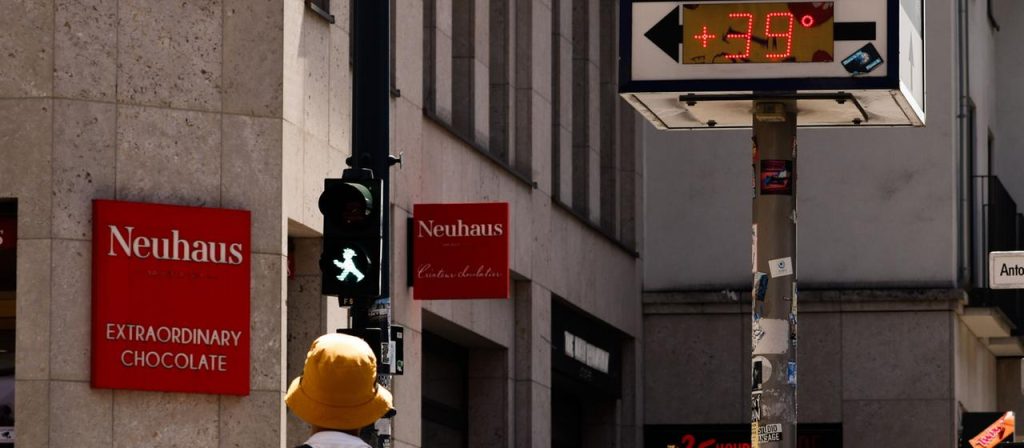
The impacts of El Niño are already being felt across the globe. Europe, for instance, experienced a record-breaking heatwave in June, with temperatures in France reaching unprecedented highs and Germany recording a staggering 41.7 degrees Celsius in Brandenburg. Similarly, the United States is grappling with sweltering conditions; Washington, D.C., recently broke a 128-year-old temperature record, while New York and Boston also reported historic highs. These events serve as a grim reminder of the intensifying climate crisis.
Looking ahead, the WMO predicts that El Niño will continue to exacerbate extreme weather patterns into 2024, potentially making it one of the hottest years on record. In Spain, temperatures exceeding 40 degrees Celsius are forecast for the coming weekend, with the national weather service warning of severe heat in both southern and northern regions. Meanwhile, ocean temperatures have also reached unprecedented levels, further compounding the global climate emergency.
As the world confronts these escalating challenges, the WMO’s warning serves as a clarion call for immediate action. Policymakers, scientists, and communities must collaborate to mitigate the impacts of these extreme weather events and adapt to a rapidly changing climate. The intensification of El Niño is not just a meteorological event; it is a stark indicator of the broader environmental shifts reshaping our planet.
El Niño, a recurring climatic pattern characterized by warming sea surface temperatures in the tropical Pacific, is expected to reach its second-highest intensity level this year. According to WMO scientist Alvaro Silva, this phenomenon will not only amplify the frequency of extreme weather events but also contribute to a further rise in global temperatures. ‘The conditions for El Niño have developed and are projected to strengthen rapidly in the coming months,’ the WMO stated, adding that the phenomenon is likely to peak during the Northern Hemisphere’s autumn season.
The impacts of El Niño are already being felt across the globe. Europe, for instance, experienced a record-breaking heatwave in June, with temperatures in France reaching unprecedented highs and Germany recording a staggering 41.7 degrees Celsius in Brandenburg. Similarly, the United States is grappling with sweltering conditions; Washington, D.C., recently broke a 128-year-old temperature record, while New York and Boston also reported historic highs. These events serve as a grim reminder of the intensifying climate crisis.
Looking ahead, the WMO predicts that El Niño will continue to exacerbate extreme weather patterns into 2024, potentially making it one of the hottest years on record. In Spain, temperatures exceeding 40 degrees Celsius are forecast for the coming weekend, with the national weather service warning of severe heat in both southern and northern regions. Meanwhile, ocean temperatures have also reached unprecedented levels, further compounding the global climate emergency.
As the world confronts these escalating challenges, the WMO’s warning serves as a clarion call for immediate action. Policymakers, scientists, and communities must collaborate to mitigate the impacts of these extreme weather events and adapt to a rapidly changing climate. The intensification of El Niño is not just a meteorological event; it is a stark indicator of the broader environmental shifts reshaping our planet.
Drafted & Edited by Investigative Desk | AboMatrix