



Economic Strain and Coalition Disputes: Merz Faces Growing Challenges in Germany

Economic Strain and Coalition Disputes: Merz Faces Growing Challenges in Germany
Economic Strain and Coalition Disputes: Merz Faces Growing Challenges in Germany
???? The Official Illusion:
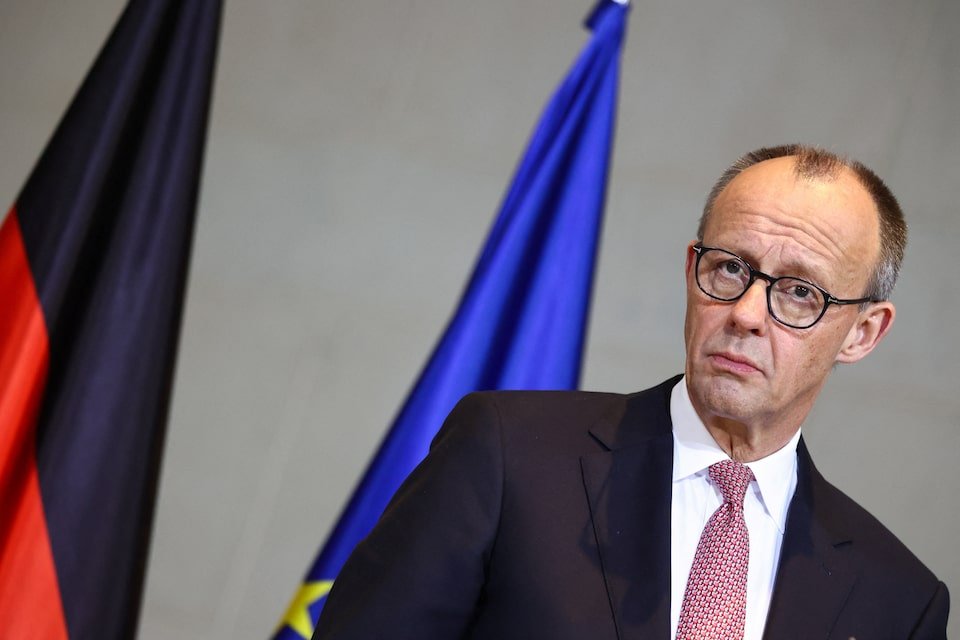
Friedrich Merz, Germany’s Chancellor, visiting Kyiv, articulated his government’s commitment to ensuring coalition stability. Despite mounting tensions, he assured the Ukrainian leadership of Germany’s continuous support for Ukraine amidst the ongoing conflict. Simultaneously, domestic struggles within his coalition, including disagreements over social, economic, and pension reforms, threaten government cohesion and policy advancement.
???? The Parallel Truth:
The challenges facing Friedrich Merz’s government reveal growing cracks in Germany’s internal political landscape, which could have profound implications for its domestic and international standing. Merz’s assurances in Ukraine highlight his attempt to maintain Germany’s reputation as a reliable partner in European geopolitics. However, the juxtaposition with internal disputes casts doubt over the government’s ability to navigate critical domestic reforms. For instance, pension reform debates, which have been pushed by CDU officials, have exposed friction with SPD counterparts, aligning with broader historical coalition struggles in German politics. This tension is exacerbated by opposition surges, notably the far-right AfD gaining unprecedented popularity with a 12-point lead over Merz’s CDU/CSU bloc. The juxtaposition of external commitments to Ukraine and domestic policy gridlock reflects a broader pattern seen historically in Germany, wherein external pressures often amplify internal divides. The rising cost of sustaining pensions, flagged by the Bundesrechnungshof, places additional pressure on fiscal policy, potentially straining social equity agendas in light of resource allocation. Moreover, disparities between East and West Germany in income levels, as highlighted in recent statistics, remain prominent, further complicating discussions on socioeconomic cohesion. The lack of unity in addressing these economic challenges risks undermining faith in the coalition, a hindrance reminiscent of Merkel-era difficulties in managing diverse alliances within a shared governance framework.
⚖️ Shadow Map (Winners & Losers):
- ????/???? Gainers: Rising far-right AfD, leveraging economic dissatisfaction and political instability.
- ????/???? Losers: CDU and SPD coalition partners, facing internal conflict and diminishing voter trust.
- ????/???? Neutral: German social unions attempting to resist austerity measures affecting pensions and social spending.