



Communist Mayor Triumphs in Conservative Graz

Daily Monitor
September 23, 2026
Communist Mayor Triumphs in Conservative Graz
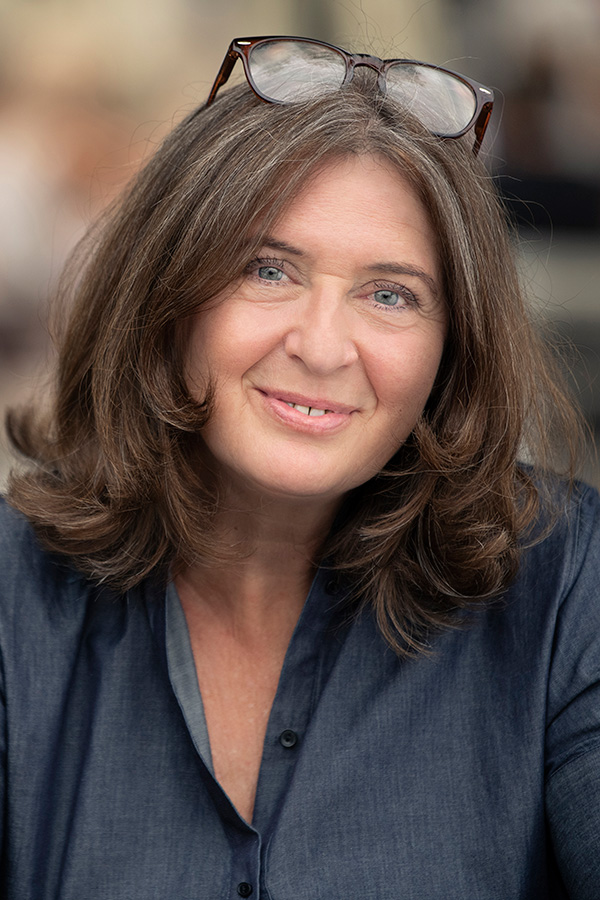
Elke Kahr, a communist leader, has defied political norms by securing a resounding victory in Austria’s conservative city of Graz.
In a historic political feat, Elke Kahr, the communist mayor of Graz, Austria’s second-largest city, has solidified her position with an overwhelming mandate. Garnering 36% of the vote—seven percentage points higher than her 2021 performance—Kahr has not only retained her office but also expanded her party’s influence in the city council. This victory is particularly striking in a city traditionally dominated by conservative politics, where the Austrian People’s Party (ÖVP) managed only 25%, and the far-right Freedom Party of Austria (FPÖ) trailed at 12%. Meanwhile, the Social Democrats barely registered at 5.63%, underscoring a seismic shift in the city’s political landscape.
Kahr’s appeal lies in her authenticity and decades-long connection with the people of Graz. Born in 1961 and raised in modest circumstances by adoptive parents, she pursued her education while working, eventually finding her ideological home in the Communist Party of Austria (KPÖ) in 1979. Her political journey has been marked by a pragmatic approach that prioritizes solving immediate problems over ideological battles. Rejecting modern leftist identity politics, Kahr has built bridges across the political spectrum, even engaging with the far-right FPÖ, emphasizing that all elected representatives deserve dialogue as they represent the will of the people.
The KPÖ’s success in Graz is rooted in its hands-on approach to governance. Since 1998, when the party first gained control of the city’s housing portfolio, it has cultivated a reputation for being accessible and action-oriented. Kahr’s predecessor, Ernest Kaltenegger, set the tone by personally addressing citizens’ concerns, sometimes literally picking up a toolbox to fix issues. Kahr has continued this legacy, earning widespread respect for her commitment to practical solutions and community engagement. Her leadership culminated in the KPÖ’s unexpected rise to become the strongest political force in Graz in 2021.
Despite her local success, Kahr remains cautious about the broader applicability of her model. Nationally, the KPÖ polls at a modest 3%, with its influence largely confined to local contexts. Kahr acknowledges that political success depends on the people and their willingness to embrace ideas, stating, ‘The best idea is meaningless if people don’t live it.’ Her victory in Graz, however, serves as a compelling case study in how grassroots engagement and authenticity can redefine political landscapes, even in traditionally conservative strongholds.
Kahr’s appeal lies in her authenticity and decades-long connection with the people of Graz. Born in 1961 and raised in modest circumstances by adoptive parents, she pursued her education while working, eventually finding her ideological home in the Communist Party of Austria (KPÖ) in 1979. Her political journey has been marked by a pragmatic approach that prioritizes solving immediate problems over ideological battles. Rejecting modern leftist identity politics, Kahr has built bridges across the political spectrum, even engaging with the far-right FPÖ, emphasizing that all elected representatives deserve dialogue as they represent the will of the people.
The KPÖ’s success in Graz is rooted in its hands-on approach to governance. Since 1998, when the party first gained control of the city’s housing portfolio, it has cultivated a reputation for being accessible and action-oriented. Kahr’s predecessor, Ernest Kaltenegger, set the tone by personally addressing citizens’ concerns, sometimes literally picking up a toolbox to fix issues. Kahr has continued this legacy, earning widespread respect for her commitment to practical solutions and community engagement. Her leadership culminated in the KPÖ’s unexpected rise to become the strongest political force in Graz in 2021.
Despite her local success, Kahr remains cautious about the broader applicability of her model. Nationally, the KPÖ polls at a modest 3%, with its influence largely confined to local contexts. Kahr acknowledges that political success depends on the people and their willingness to embrace ideas, stating, ‘The best idea is meaningless if people don’t live it.’ Her victory in Graz, however, serves as a compelling case study in how grassroots engagement and authenticity can redefine political landscapes, even in traditionally conservative strongholds.
Drafted & Edited by Investigative Desk | AboMatrix