



Coalition Leaders Tackle Reforms at Berlin Summit

Daily Monitor
September 17, 2026
Coalition Leaders Tackle Reforms at Berlin Summit
Germany’s coalition leaders convene at the Chancellery to resolve contentious reform issues ahead of key deadlines.
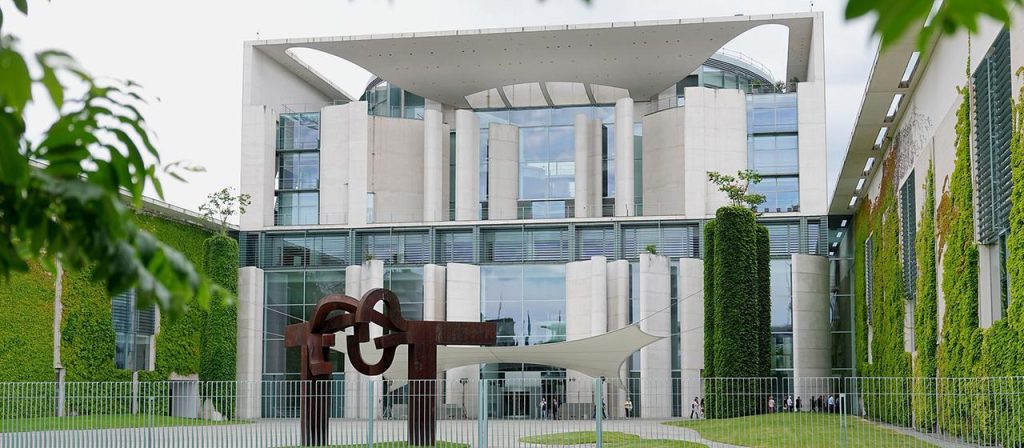
In a pivotal meeting at the Chancellery in Berlin, the leaders of Germany’s coalition parties—CDU, CSU, and SPD—gathered to deliberate on pressing reform projects. With the coalition committee’s crucial session scheduled for Wednesday, the stakes are high as the government seeks to address lingering disputes and chart a unified path forward. The discussions, led by Chancellor Friedrich Merz, aim to bring clarity to contentious issues that have dominated political discourse in recent weeks.
Among the reforms under scrutiny are proposals to stabilize healthcare contributions and nursing insurance, overhaul the pension system, and introduce tax relief measures targeting small and medium incomes. The pension reform, in particular, has gained momentum following recommendations from the Rentenkommission, with Chancellor Merz and SPD Chairwoman Bärbel Bas expressing their commitment to implementing the proposals in full. Merz described the current climate as a ‘momentum’ for decisive action, signaling optimism for progress in the coming days.
However, significant disagreements persist. CDU General Secretary Carsten Linnemann has voiced concerns over the feasibility of certain measures, such as making mini-jobs subject to pension contributions and providing annual tax relief of €500 for lower-income groups. Linnemann emphasized the need for responsible financing, suggesting that government ministries should cut their budgets by up to three percent to offset costs. He also hinted at the possibility of expanding the so-called wealth tax on high incomes as part of a broader compromise.
The urgency of these discussions is underscored by looming deadlines. Finance Minister Lars Klingbeil is set to present the government’s 2027 budget draft on July 6, coinciding with the Bundestag’s final session week before the summer recess. Key legislative decisions, including the controversial healthcare reform, are expected during this period. The Bundesrat will also convene for its last meeting before the break on July 10, adding further pressure to resolve outstanding issues.
As Germany’s coalition leaders navigate these complex negotiations, the outcome will not only shape the nation’s fiscal and social policies but also test the unity of the governing alliance. With public expectations mounting and time running short, the political landscape remains charged, promising a decisive week ahead for the country’s leadership.
Among the reforms under scrutiny are proposals to stabilize healthcare contributions and nursing insurance, overhaul the pension system, and introduce tax relief measures targeting small and medium incomes. The pension reform, in particular, has gained momentum following recommendations from the Rentenkommission, with Chancellor Merz and SPD Chairwoman Bärbel Bas expressing their commitment to implementing the proposals in full. Merz described the current climate as a ‘momentum’ for decisive action, signaling optimism for progress in the coming days.
However, significant disagreements persist. CDU General Secretary Carsten Linnemann has voiced concerns over the feasibility of certain measures, such as making mini-jobs subject to pension contributions and providing annual tax relief of €500 for lower-income groups. Linnemann emphasized the need for responsible financing, suggesting that government ministries should cut their budgets by up to three percent to offset costs. He also hinted at the possibility of expanding the so-called wealth tax on high incomes as part of a broader compromise.
The urgency of these discussions is underscored by looming deadlines. Finance Minister Lars Klingbeil is set to present the government’s 2027 budget draft on July 6, coinciding with the Bundestag’s final session week before the summer recess. Key legislative decisions, including the controversial healthcare reform, are expected during this period. The Bundesrat will also convene for its last meeting before the break on July 10, adding further pressure to resolve outstanding issues.
As Germany’s coalition leaders navigate these complex negotiations, the outcome will not only shape the nation’s fiscal and social policies but also test the unity of the governing alliance. With public expectations mounting and time running short, the political landscape remains charged, promising a decisive week ahead for the country’s leadership.
Drafted & Edited by Investigative Desk | AboMatrix