



Ceuta Crisis: Spain’s Policy Missteps Fuel Populist Narratives

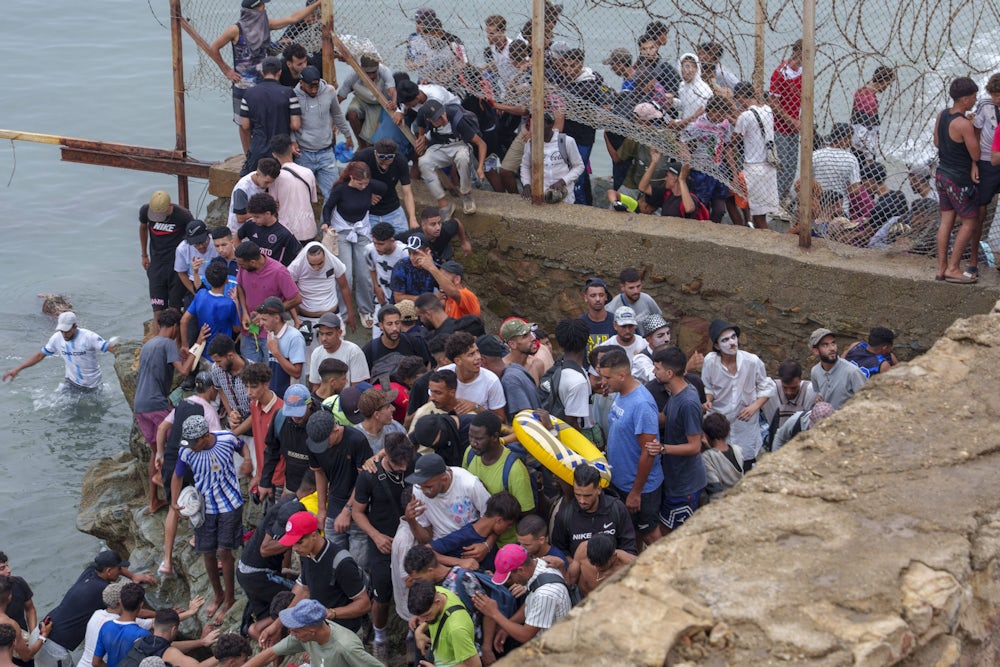
Ceuta Crisis: Spain’s Policy Missteps Fuel Populist Narratives
⏱ 3 min read
Executive Summary
The recent escalation in Ceuta highlights critical mismanagement by Spain’s left-leaning government, inadvertently empowering far-right populist forces. Delayed operational responses and inadequate EU coordination have exacerbated tensions, creating fertile ground for xenophobic rhetoric and undermining the pursuit of balanced migration policies in Europe.
Strategic Context
Historical and Geopolitical Context
Ceuta, a Spanish enclave on the northern coast of Africa, has long been a focal point in Europe’s migration crisis due to its unique geographical position. As one of the EU’s external borders, it serves as a gateway for migrants seeking entry into Europe, often under dire circumstances. The enclave’s proximity to Morocco has historically made it a flashpoint for diplomatic tensions, with migration flows frequently weaponized in broader geopolitical disputes.
In recent years, Spain has struggled to balance its obligations under EU migration frameworks with domestic political pressures. The left-leaning government of Prime Minister Pedro Sánchez has faced criticism for its handling of migration, particularly in moments of crisis. The July influx of migrants into Ceuta, compounded by Spain’s focus on combating devastating wildfires, underscores the challenges of managing simultaneous emergencies while maintaining public trust in migration governance.
In-Depth Analysis
Policy Motivations and Missteps
The Spanish government’s delayed response to the Ceuta crisis reveals significant operational shortcomings. While the initial surprise of the migrant influx could be partially attributed to the diversion of resources toward wildfire management, the subsequent month-long inaction raises questions about strategic foresight and crisis preparedness. By failing to promptly request assistance from Frontex, Spain missed an opportunity to demonstrate leadership and solidarity within the EU framework.
Moreover, the government’s initial minimization of the crisis inadvertently fueled populist narratives. Far-right groups have capitalized on the visible chaos in Ceuta, framing it as emblematic of broader political incompetence and the dangers of unchecked migration. This has provided fertile ground for xenophobic rhetoric, undermining efforts to foster constructive dialogue on migration policy.
Spain’s approach also reflects broader tensions within European migration governance. The lack of coordinated EU action in Ceuta highlights persistent gaps in collective crisis management, with individual member states often left to shoulder disproportionate burdens. This fragmentation not only weakens the EU’s ability to respond effectively but also emboldens nationalist forces that exploit such failures for political gain.
Impact on Migrants
Human and Social Consequences
The prolonged inaction in Ceuta has had severe repercussions for migrants, many of whom remain stranded in precarious conditions. The lack of adequate shelter, food, and medical care has exacerbated their vulnerability, leading to heightened tensions and instances of violence. Migrants have faced physical confrontations with security forces and local residents, further deepening their marginalization and trauma.
Beyond immediate humanitarian concerns, the Ceuta crisis underscores the broader challenges of integrating migrants into host societies. The visible chaos and subsequent backlash risk entrenching negative stereotypes about migrants, complicating efforts to build inclusive communities. Without a proactive and humane policy response, the social fabric of both Ceuta and Spain at large faces significant strain.
Outlook & Conclusion
Future Outlook
The Ceuta crisis serves as a stark reminder of the need for robust, coordinated migration policies at both national and EU levels. Spain must prioritize operational preparedness and transparent communication to rebuild public trust and counter populist narratives. Simultaneously, the EU must strengthen its collective response mechanisms to prevent similar crises from escalating. Only through a unified approach can Europe balance security concerns with its humanitarian obligations.

Prepared & Analyzed by: Migration Policy Unit | AboMatrix