



Britain’s Bold Move: The Social Media Ban for Under-16s

Britain’s Bold Move: The Social Media Ban for Under-16s
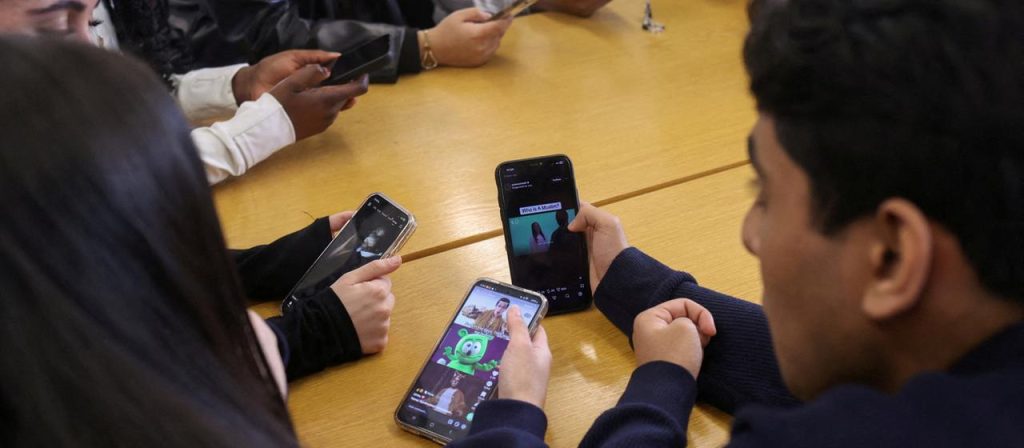
As the digital landscape continues to evolve, the British government has announced a controversial plan to impose a ban on social media access for children and teenagers under the age of 16. This decision, driven by concerns over the mental health and well-being of young users, raises critical questions about the balance between safeguarding youth and the implications for their digital freedom.
The Rationale Behind the Ban
Prime Minister Keir Starmer’s assertion that ‘social media makes children unhappy’ underscores the government’s commitment to addressing the rising mental health issues among youth. The proposed ban, set to take effect in early 2024, aims to foster a safer environment for children, allowing them to grow up with more time and freedom away from the incessant pressures of social media. This move follows a significant survey indicating overwhelming support from parents and stakeholders in the tech industry, revealing a collective anxiety regarding the impact of online platforms on young minds.
Global Trends and Implications
Britain’s initiative is not occurring in isolation; it follows Australia’s pioneering ban and is mirrored by similar considerations in Canada and various EU nations. The potential restrictions on platforms like TikTok, Instagram, and YouTube reflect a growing trend among governments to intervene in the digital lives of minors. However, this raises critical ethical questions: Is it the government’s role to dictate the digital experiences of youth, or should parents and guardians take on that responsibility? Furthermore, the exclusion of messaging services like WhatsApp from the ban begs the question of whether the government is adequately addressing the complexities of modern communication.
الخلاصة: The proposed social media ban for under-16s in Britain is a bold and potentially transformative step towards safeguarding youth in an increasingly digital world. However, it also opens the door to a myriad of questions about autonomy, privacy, and the role of government in personal lives. As the debate unfolds, it is crucial for policymakers to consider not only the immediate benefits of such a ban but also the long-term implications for a generation growing up in a hyper-connected society.