



Anthropic’s AI Access Suspension: A Cautionary Tale of Compliance and Control

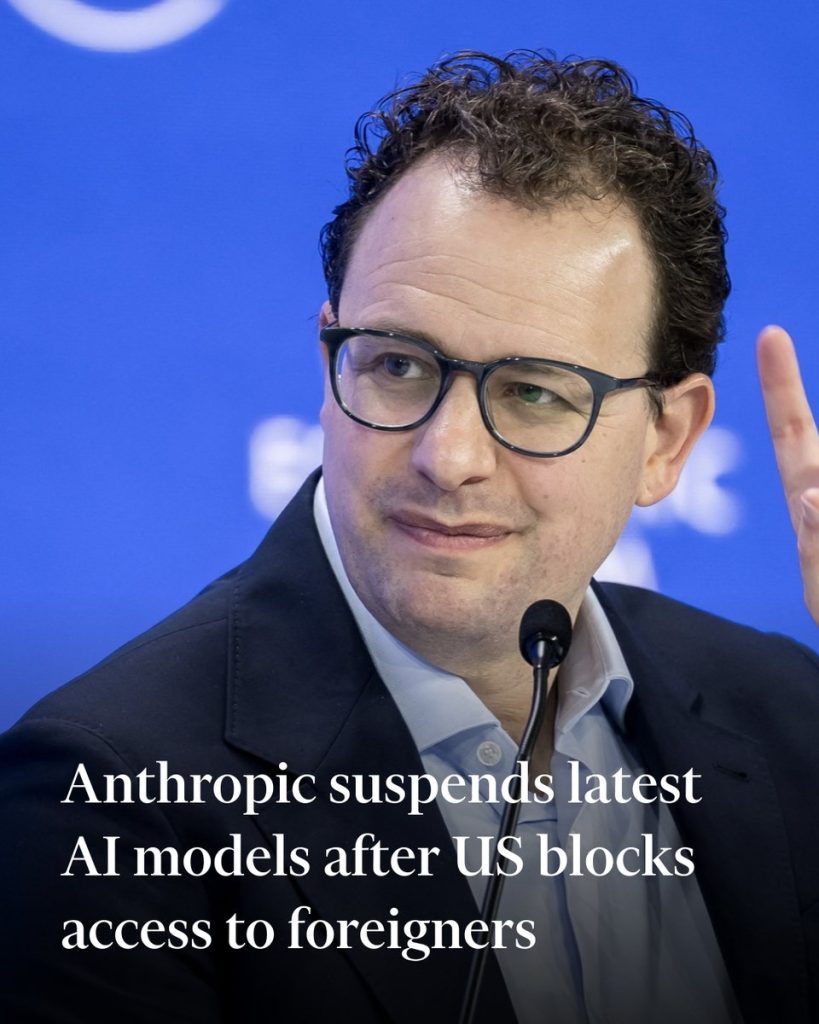
Anthropic’s AI Access Suspension: A Cautionary Tale of Compliance and Control
In a striking move that underscores the tension between innovation and regulation, Anthropic, a prominent U.S. AI company, has suspended access to its latest AI models, Fable and Mythos, following a government order. This decision raises critical questions about the implications of governmental control over technological advancements and the potential repercussions for global collaboration in AI development.
The Government’s Grip: An Analysis of the Order
The recent directive from the U.S. government mandating Anthropic to restrict access to its AI models for non-U.S. users reveals a broader strategy of control over emerging technologies. This decision, framed as a necessary measure to ensure national security, reflects an increasing trend among governments to regulate AI technologies that could potentially be misused. By compelling Anthropic to disable Fable 5 and Mythos 5, the government is not only curbing the distribution of advanced AI capabilities but also signaling to the global tech community that the U.S. will prioritize its interests above international collaboration. This raises concerns about the future of innovation, as companies may hesitate to invest in groundbreaking technologies that could be subject to sudden government intervention.
The Implications for AI Development and Global Collaboration
Anthropic’s decision to comply with the government order highlights the precarious balance between innovation and compliance in the tech industry. While the intention behind the order may be to safeguard against potential abuses of AI, the abrupt suspension of access to Fable 5 and Mythos 5 could stifle creativity and progress in AI research. Furthermore, this move sets a concerning precedent for other tech companies, which may now face pressure to align their operations with governmental demands, potentially at the expense of global partnerships. The fear of exploitation of AI technologies, as cited by Anthropic, raises critical ethical questions about the responsibility of AI developers to prevent misuse while still fostering an environment conducive to innovation. This dilemma is further complicated by the reality that technological advancements do not recognize national borders, and unilateral actions may lead to a fragmented landscape in AI development.
الخلاصة: The suspension of access to Anthropic’s latest AI models serves as a stark reminder of the delicate interplay between technological advancement and regulatory oversight. As governments grapple with the implications of AI, the challenge lies in finding a balance that protects national interests without stifling innovation. The future of AI development hinges on the ability of industry leaders and policymakers to engage in constructive dialogue, ensuring that the pursuit of progress does not come at the expense of collaboration and ethical responsibility.