



Andy Burnham: Labour’s Northern Star?

Daily Monitor
September 20, 2026
Andy Burnham: Labour’s Northern Star?
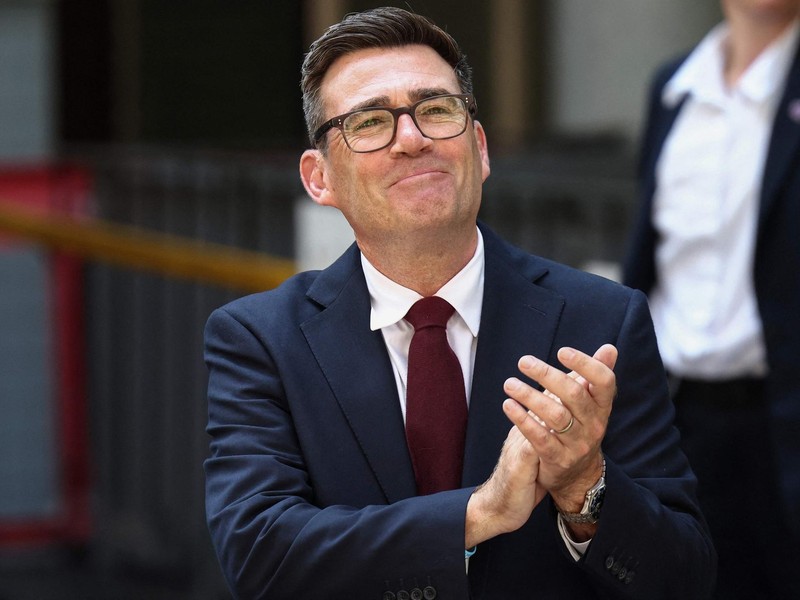
Andy Burnham, Manchester’s mayor, eyes national leadership, promising to bridge Britain’s political and regional divides.
Andy Burnham, the charismatic mayor of Greater Manchester, has emerged as a compelling contender for the leadership of Britain’s Labour Party, sparking debates about his political identity and vision. Born in 1970 in the industrial heartland of northern England, Burnham’s journey from Westminster to Manchester reflects a deliberate shift from national politics to grassroots governance—a move he describes as an escape from the ‘political bubble’ of London.
Burnham’s political career spans decades, marked by his adaptability to serve under diverse Labour leaders, including Tony Blair, Gordon Brown, and Jeremy Corbyn. This versatility has drawn both admiration and criticism, with detractors questioning his ideological consistency. However, Burnham’s tenure as Manchester’s mayor has showcased his pragmatic approach to governance, earning him the moniker ‘King of the North.’ His policies, such as re-nationalizing Manchester’s bus network and halving fares, highlight his commitment to public welfare and economic inclusivity.
A product of modest beginnings, Burnham’s upbringing in a Catholic household and education at Cambridge University shaped his worldview. He credits Catholic social teachings, rather than religious faith, as a guiding principle in his political ethos. Joining the Labour Party at 15, Burnham’s early career saw him rise through the ranks, eventually securing a parliamentary seat in 2001. His recent focus on regional leadership has revitalized his image, positioning him as a champion of northern England’s often-overlooked communities.
Burnham’s vision for Britain extends beyond regional advocacy. He has articulated a philosophy of ‘economically friendly socialism,’ blending market-driven pragmatism with social justice. His tenure as mayor has been marked by efforts to modernize education, combat homelessness, and advocate for public ownership in essential services. These initiatives resonate with his broader critique of Westminster’s establishment politics, which he argues have alienated northern voters and fueled political polarization.
As Burnham eyes a return to national politics, questions abound regarding his potential premiership. Will he redefine Labour’s ideological trajectory, or will his pragmatic approach dilute the party’s traditional values? His supporters view him as a unifying figure capable of bridging Britain’s north-south divide, while skeptics remain wary of his perceived lack of ideological clarity. Regardless, Burnham’s ascent signals a pivotal moment for Labour, as the party seeks to reclaim its relevance in a fractured political landscape.
Burnham’s political career spans decades, marked by his adaptability to serve under diverse Labour leaders, including Tony Blair, Gordon Brown, and Jeremy Corbyn. This versatility has drawn both admiration and criticism, with detractors questioning his ideological consistency. However, Burnham’s tenure as Manchester’s mayor has showcased his pragmatic approach to governance, earning him the moniker ‘King of the North.’ His policies, such as re-nationalizing Manchester’s bus network and halving fares, highlight his commitment to public welfare and economic inclusivity.
A product of modest beginnings, Burnham’s upbringing in a Catholic household and education at Cambridge University shaped his worldview. He credits Catholic social teachings, rather than religious faith, as a guiding principle in his political ethos. Joining the Labour Party at 15, Burnham’s early career saw him rise through the ranks, eventually securing a parliamentary seat in 2001. His recent focus on regional leadership has revitalized his image, positioning him as a champion of northern England’s often-overlooked communities.
Burnham’s vision for Britain extends beyond regional advocacy. He has articulated a philosophy of ‘economically friendly socialism,’ blending market-driven pragmatism with social justice. His tenure as mayor has been marked by efforts to modernize education, combat homelessness, and advocate for public ownership in essential services. These initiatives resonate with his broader critique of Westminster’s establishment politics, which he argues have alienated northern voters and fueled political polarization.
As Burnham eyes a return to national politics, questions abound regarding his potential premiership. Will he redefine Labour’s ideological trajectory, or will his pragmatic approach dilute the party’s traditional values? His supporters view him as a unifying figure capable of bridging Britain’s north-south divide, while skeptics remain wary of his perceived lack of ideological clarity. Regardless, Burnham’s ascent signals a pivotal moment for Labour, as the party seeks to reclaim its relevance in a fractured political landscape.
Drafted & Edited by Investigative Desk | AboMatrix