


Analyzing Migration Discourse and Its Implications for Germany Amid Farage’s Comments on Mass Migration

Analyzing Migration Discourse and Its Implications for Germany Amid Farage’s Comments on Mass Migration
⏱ 4 min read
Executive Summary
Nigel Farage’s remarks on mass migration and its transformative impact on the UK, coupled with his critique of Britain’s political system, provide a lens to examine Germany’s own migration challenges. While Farage’s statements focus on the UK, they resonate with broader European debates on migration, national identity, and political stability, offering parallels to Germany’s ongoing discussions about integration, border controls, and socio-political cohesion.
Strategic Context
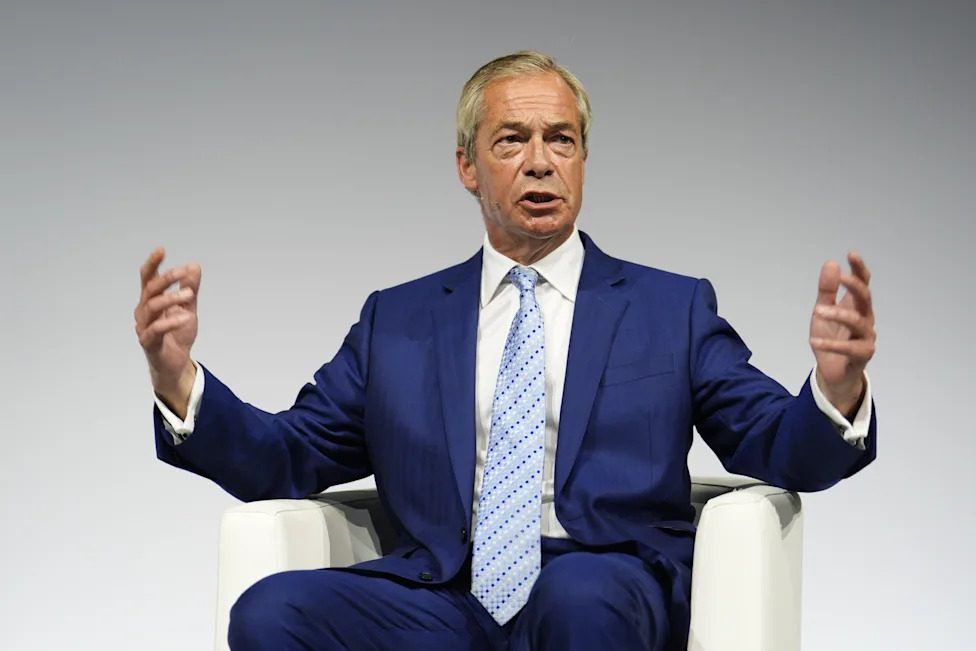
Nigel Farage, leader of Reform UK, expressed concerns about mass migration during an exclusive interview with Fox News Digital. He argued that migration has fundamentally altered the cultural and demographic makeup of the UK, particularly in urban areas, and criticized the lack of selectivity in immigration policies. Farage linked these changes to broader political instability, citing the resignation of UK Prime Minister Keir Starmer and the potential rise of Andy Burnham as the next leader. He emphasized that immigration was a central issue driving voter dissatisfaction, particularly among Brexit supporters. Farage also framed Britain’s political turmoil as part of a larger Western crisis over borders, traditional values, and national identity, warning against the perceived consequences of diversity policies and justice systems that he deemed inequitable. He advocated for closer ties between the UK and the US, particularly in trade and financial services, while dismissing any significant push to rejoin the European Union.
Deep Analysis
In Germany, Farage’s comments on migration and its socio-political effects echo ongoing debates about the integration of migrants and the strain on public services. German politicians across the spectrum have grappled with balancing humanitarian obligations with public concerns about cultural assimilation and economic impact. The conservative CDU and AfD parties have often emphasized stricter border controls and selective immigration policies, citing concerns similar to those raised by Farage about preserving national identity and managing demographic shifts. Meanwhile, progressive parties like the SPD and Greens advocate for inclusive policies, focusing on integration programs and the economic contributions of migrants. Public opinion in Germany remains divided, with some citizens expressing fears of cultural erosion, while others highlight the benefits of diversity and the moral imperative to support displaced populations. Farage’s critique of the UK’s political system also resonates with German discussions about governance and the effectiveness of migration policies, particularly in light of challenges posed by the 2015 refugee crisis. Germany’s experience during that period serves as a historical benchmark, illustrating both the potential for successful integration and the risks of political polarization. The comparison underscores the importance of clear, consistent policies to address migration while maintaining public trust.
Impact on Migrants
Farage’s remarks, though centered on the UK, indirectly impact migrant communities in Germany by influencing European migration discourse. His critique of unselective immigration policies and their societal consequences may embolden conservative voices in Germany advocating for stricter controls. This could lead to heightened scrutiny of migrants, potentially exacerbating feelings of marginalization and insecurity among these communities. Migrants in Germany already face challenges such as limited access to housing, employment barriers, and social integration difficulties. The amplification of anti-migration rhetoric risks further stigmatizing these populations, complicating efforts to foster inclusivity and cohesion. On the other hand, Farage’s emphasis on the transformative potential of migration may also inspire constructive debates in Germany about leveraging diversity for economic and cultural enrichment. Migrants could benefit from renewed focus on integration programs and policies aimed at addressing systemic inequalities, provided these discussions remain balanced and inclusive.
Outlook & Conclusion
Farage’s comments highlight the interconnectedness of migration debates across Europe, offering Germany an opportunity to reflect on its own policies and societal dynamics. As Germany continues to navigate migration challenges, it must balance security concerns with its commitment to humanitarian values and integration. The future outlook suggests that Germany will need to adopt nuanced approaches, learning from past crises while fostering dialogue to ensure that migration contributes positively to its socio-economic fabric.
Primary Source: NewsAPI