



AI Growth Debate in Germany: Risks, Opportunities, and Strategic Gaps

AI Growth Debate in Germany: Risks, Opportunities, and Strategic Gaps
AI Growth Debate in Germany: Risks, Opportunities, and Strategic Gaps
🔹 The Official Illusion:
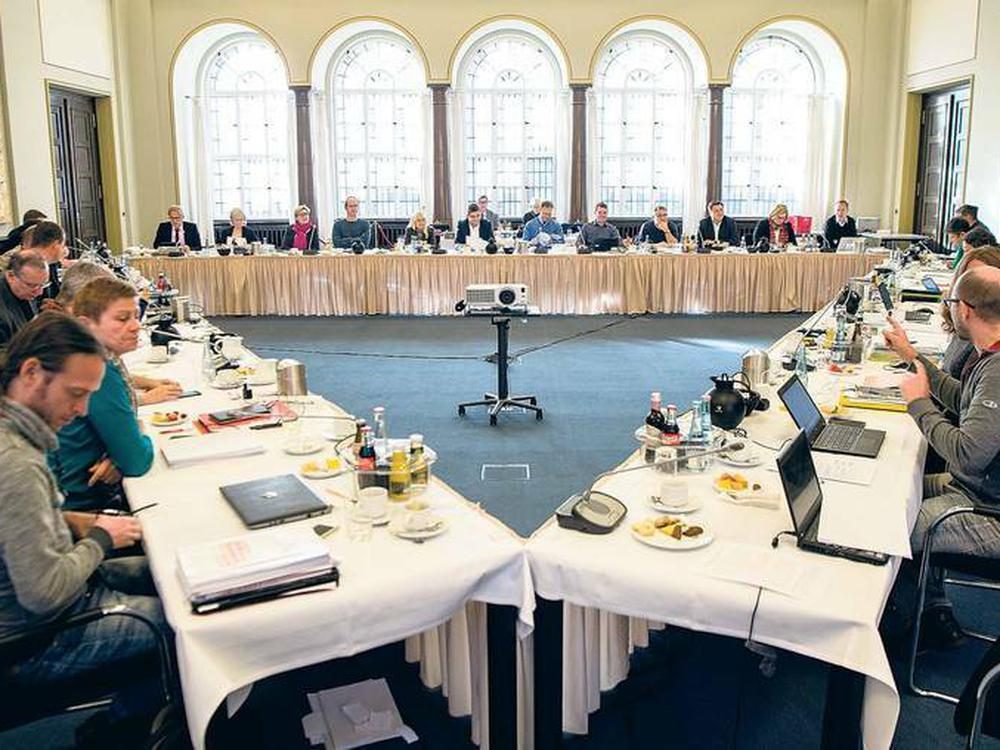
At the Digital Summit in Berlin, Chancellor Merz highlighted Germany’s urgent need to expand its artificial intelligence capabilities. He described AI as pivotal for economic and technological leadership while experts warned of the limited time available for action. The conference emphasized alignment with European goals while fostering local innovation.
🛑 The Parallel Truth:
Artificial intelligence (AI) has become a defining element in global competition, and Germany is at a crossroads. Chancellor Merz’s advocacy for ‘urgent and energetic’ AI-capacity building underscores a growing concern over Germany’s declining technological edge. Notably, Germany’s AI-related investments have lagged behind those of the U.S. and China. In 2022, Germany allocated €5 billion to AI research and deployment, compared to China’s €20 billion. This disparity is compounded by labor market challenges such as automation-related job displacement, which threatens traditional manufacturing sectors that form the backbone of Germany’s economy.
Moreover, the broader EU regulatory framework introduces complexities for Germany’s AI sector. While initiatives like the European AI Act aim to ensure ethical technology deployment, they may inadvertently slow down innovation due to stricter compliance requirements. For Germany, striking a balance between adhering to EU objectives and maintaining competitive autonomy is crucial. Failure to do so may lead to German technology firms relocating to jurisdictions with more favorable policies, exacerbating the nation’s economic concerns.
However, AI also holds transformative potential for Germany’s industries, such as its auto sector, which is increasingly reliant on AI-driven electric and autonomous vehicle technologies. Germany’s Mittelstand (medium-sized companies) could leverage AI to increase efficiency and reduce costs, but this requires widespread investments in digital literacy and infrastructure. In the absence of strategic implementation, Germany risks falling into a secondary tier in the global AI race.
⚖️ Shadow Map (Winners & Losers):
- 🏆/💀 Winners: High-tech companies operating in Germany could benefit from public-private AI initiatives led by the government.
- 🏆/💀 Losers: Traditional manufacturing sectors face reevaluation due to increased automation and shifting workforce demands.
- 🏆/💀 Winners: Germany’s digital innovators and SMEs if regulatory bottlenecks are removed and AI pilot projects are appropriately funded.