



BSW’s Strategic Outreach to AfD: A Bold Political Maneuver

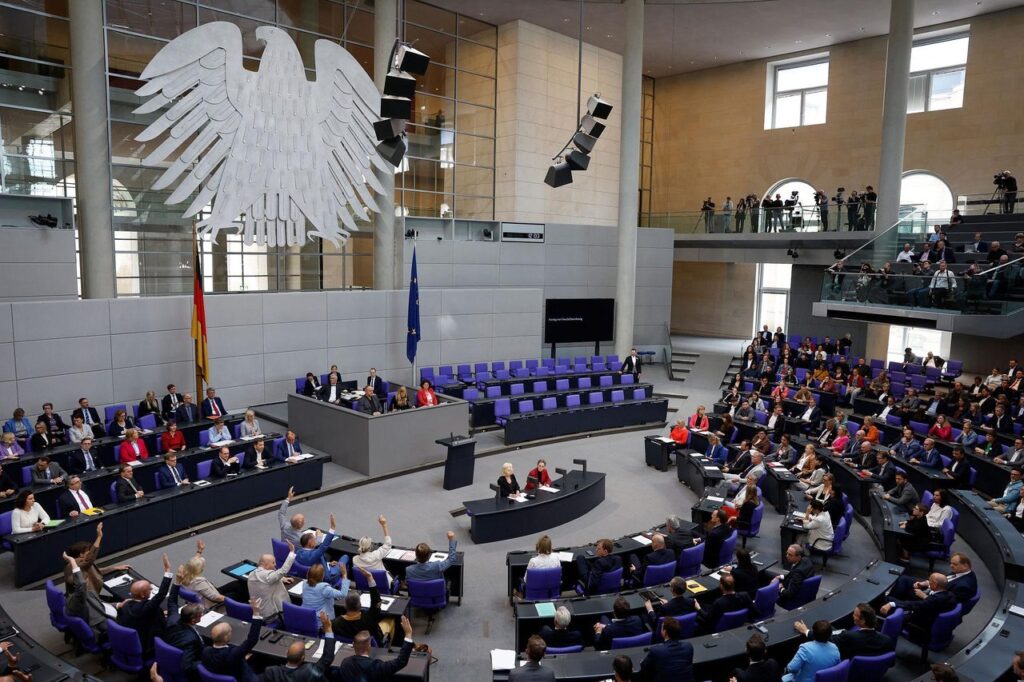
BSW’s Strategic Outreach to AfD: A Bold Political Maneuver
⏱ 3 min read
Executive Summary
The Bündnis Sahra Wagenknecht (BSW) has taken a controversial step by reaching out to the Alternative for Germany (AfD) party, proposing a collaborative approach to governance in certain German states. In a letter addressed to AfD leaders Alice Weidel and Tino Chrupalla, the BSW criticized the political isolation of the AfD and suggested the possibility of supporting overpartisan minister-presidents, even with AfD involvement, under specific conditions. This move signals a potential shift in Germany’s political landscape, raising questions about coalition strategies and governance models.
Strategic Context
Deep Analysis
Germany’s political landscape is evolving, and the BSW’s outreach to the AfD reflects this shift. The BSW argues that isolating the AfD has only strengthened its position, as evidenced by its growing popularity in certain regions. By proposing collaboration, the BSW seeks to redefine political alliances and governance models, potentially creating a new precedent for overpartisan leadership. This strategy also appears to be a tactical move to regain public attention and political relevance, as the BSW has struggled to maintain its influence on the national stage.
Furthermore, this decision highlights the challenges of balancing ideological differences with practical governance needs. The BSW’s willingness to engage with the AfD on shared policy goals, such as migration and energy, underscores the importance of addressing pressing socio-economic issues. However, this approach is not without risks, as it could alienate voters who oppose the AfD’s policies and rhetoric.
Impact on Migrants
For migrants in Germany, the BSW’s proposal to collaborate with the AfD could signal stricter migration policies. Both parties have expressed concerns about Germany’s ability to manage migration effectively, citing economic and social pressures. If this collaboration materializes, it could lead to increased deportations of individuals involved in criminal activities and tighter controls on migration flows. This may create a more challenging environment for migrants seeking asylum or residency in Germany.
Additionally, the focus on reducing migration might impact integration programs and support systems for migrants already residing in Germany. Policies emphasizing deportation and migration reduction could shift resources away from initiatives aimed at helping migrants integrate into German society. This could have long-term implications for social cohesion and the labor market, particularly in regions where migrant workers play a crucial role.
Outlook & Conclusion
The BSW’s outreach to the AfD represents a bold and controversial attempt to reshape Germany’s political alliances and governance strategies. While this move could redefine coalition dynamics, it also raises significant questions about the future of migration policies and integration efforts. As Germany navigates these changes, the impact on migrants and broader socio-political stability will remain critical areas to monitor.
Primary Source: tagesschau.de