



Zucker Tax Suspension Highlights Divided Coalition and Economic Tensions in Germany

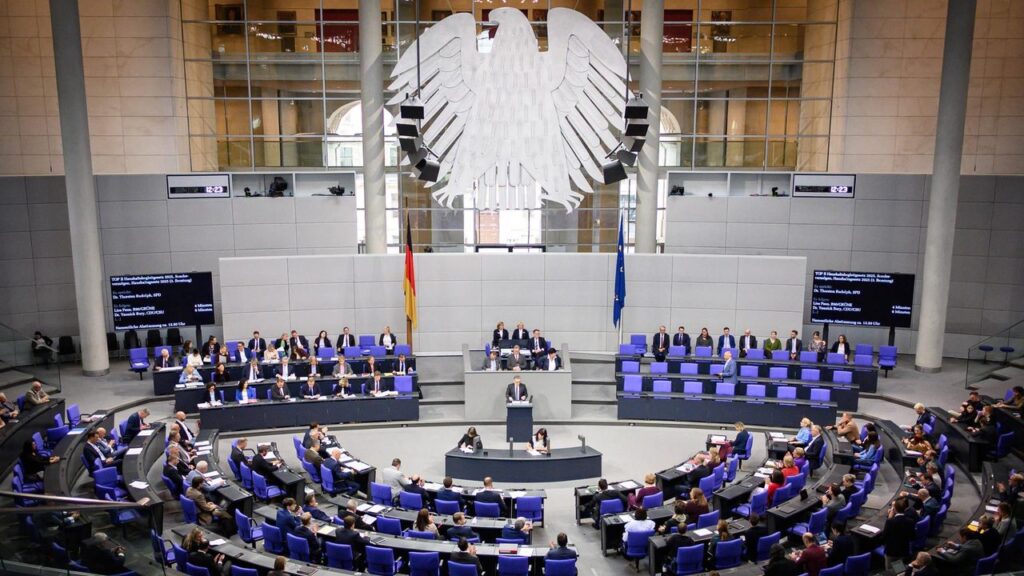
Zucker Tax Suspension Highlights Divided Coalition and Economic Tensions in Germany
Zucker Tax Suspension Highlights Divided Coalition and Economic Tensions in Germany
🔹 The Official Illusion:
Germany’s federal government planned a sugar tax on beverages to tackle public health issues like obesity and diabetes. However, reports reveal that the proposal is on hold due to resistance from the CDU/CSU opposition, stalling the initiative for now.
🔍 The Parallel Truth:
The postponement of the sugar tax demonstrates a complex intersection between health policy, economic interest, and political divisions in Germany. The initiative, which aimed to discourage excessive sugar consumption by increasing the price of sugary beverages, was designed to mitigate rising obesity and associated public health costs. However, its suspension reflects the deeper fractures within Germany’s coalition government and opposition parties, particularly the Union (CDU/CSU), which has lobbied against such measures.
Economically, the sugar tax faced immediate backlash from beverage producers and the food industry, which feared revenue losses and production cost hikes. These industries play a significant role in Germany’s economy, particularly in rural and semi-urban areas where there is already significant employment dependency on food supply chains. A sugar tax could disproportionately affect small beverage producers compared to large multinational corporations, creating inequalities within the sector.
Politically, the rejection reflects tensions between the government’s progressive health-centered vision and the opposition’s focus on minimizing what it perceives as overreach in consumer taxation. Critics from the CDU/CSU argue that such a tax would unfairly affect lower-income families who already struggle with rising living costs amidst inflation.
Furthermore, the stalling highlights a missed opportunity for setting an example in the European Union, where sugar taxation policies have gained momentum in several nations to address public health crises. With Germany being one of the EU’s largest economies, its leadership on this issue could create broader ripple effects across member states.
Finally, socially, the shelving of the plan illuminates a growing skepticism among the public toward state interventions that appear to regulate lifestyle choices rather than address systemic health crises comprehensively. Public discussions underscore the need for a more nuanced strategy that balances regulation with public awareness campaigns.
⚖️ Shadow Map:
- ▪ Winners: Beverage industry and small producers, who avoid immediate losses.
- ▪ Losers: Public health advocates, missing an opportunity to combat obesity rates effectively.
- ▪ Neutral: Middle-income customers, relieved in the short term but potentially burdened by long-term health costs.