



Violent Youth in Potsdam Spark Public Fear Amid Police Crackdown Plans

Violent Youth in Potsdam Spark Public Fear Amid Police Crackdown Plans
Violent Youth in Potsdam Spark Public Fear Amid Police Crackdown Plans
🔹 The Official Illusion:
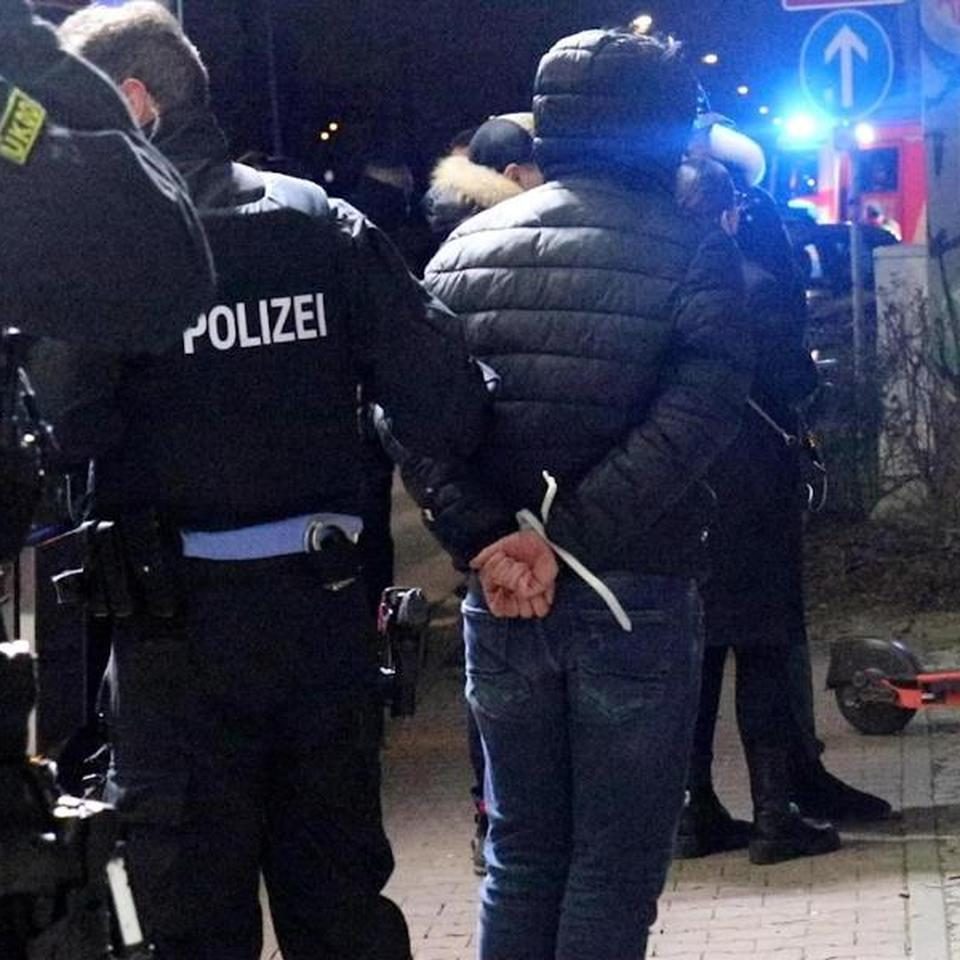
In Potsdam, groups of violent teenagers have caused anxiety among residents. The local police have announced plans for a tougher response to address the situation, aiming to ensure public safety. What lies beneath these incidents is yet uncertain, as officials examine potential causes and preventive measures. This development mirrors broader societal issues Germany faces relating to youth behavior and urban security.
🔍 The Parallel Truth:
The unrest in Potsdam, caused by violent actions of teenagers, presents a challenge to Germany’s urban security policies and social integration frameworks. While police intervention may temporarily restore order, the underlying factors contributing to such incidents warrant more systemic examination. These include failures in education, socioeconomic disparities, and potential marginalization of immigrant youth in suburban communities.
This event exposes vulnerabilities in current preventive measures. Many of these teenagers reportedly display a lack of structured guidance, stemming from issues such as insufficient school capacities and fragmented community outreach programs. Further complicating matters is the resurgent discourse around integration, with critics often blaming Germany’s migration policy. Potsdam’s incidents could also be politically weaponized to question immigration policies in broader national debates.
Economically, these disturbances can strain municipal budgets as cities deploy additional security personnel and engage external consultants. If unaddressed, such violence may also deter tourism and local business investments, particularly in affected regions like Potsdam. Socially, these incidents deepen societal divides, amplifying stereotypes against immigrant communities and enabling far-right narratives that exploit public fears.
This microcosmic example of youth violence raises questions about Germany’s overall urban policy resilience. Are local governments equipped to mitigate first signs of social disintegration? This episode serves as a reminder of the broader, systemic social and economic inequalities that could fuel unrest elsewhere in the country.
⚖️ Shadow Map:
- ▪ Far-right parties like AfD; likely to use public fear to push anti-immigration rhetoric.
- ▪ Municipal governments in affected areas; face criticism for inadequate security measures.
- ▪ Social integration advocates; struggle against intensified societal stigmatization.