



Updated EU Tools for Guardians Supporting Unaccompanied Children in Asylum Procedures

Updated EU Tools for Guardians Supporting Unaccompanied Children in Asylum Procedures
⏱ 3 min read
Executive Summary
The European Union Agency for Asylum (EUAA) and the Fundamental Rights Agency (FRA) have introduced updated practical tools to assist guardians of unaccompanied children during asylum procedures. These tools, part of a broader series, aim to strengthen guardianship systems by providing guidance on legal frameworks, international protection, and the rights of children. The updates incorporate new legislative instruments under the EU Pact on Migration and Asylum, ensuring consistent, rights-based support for unaccompanied minors across EU Member States.
Strategic Context
Deep Analysis
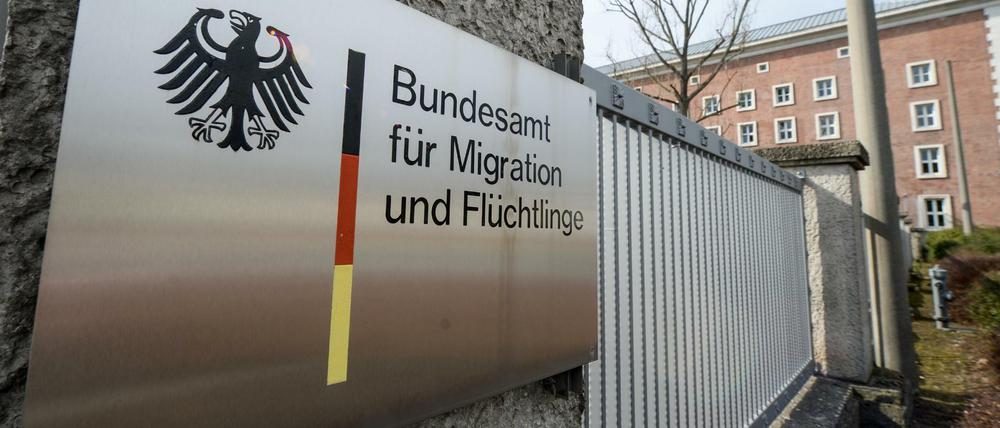
Germany supports these updated tools as part of its commitment to uphold EU-wide standards for protecting unaccompanied minors. As a key EU Member State, Germany recognizes the importance of consistent guardianship systems to address the vulnerabilities of children arriving without parental care. The updated tools align with Germany’s broader migration policies, which emphasize the integration of migrants and the safeguarding of fundamental rights. By adopting these tools, Germany aims to ensure that unaccompanied minors receive equitable treatment and access to protection, regardless of their country of origin.
Additionally, Germany’s endorsement of these tools reflects its alignment with the EU Pact on Migration and Asylum, which seeks to harmonize asylum procedures across Member States. The tools provide practical guidance for guardians, ensuring that Germany can effectively implement the Pact’s legislative instruments while maintaining its focus on child welfare and human rights.
Impact on Migrants
For unaccompanied children arriving in Germany, these tools mean they will have better support during the asylum process. Guardians equipped with updated knowledge can help children understand their rights and navigate complex legal procedures. This ensures that children are not left vulnerable or uninformed, and that their best interests are prioritized throughout their time in Germany. The tools also address the psychological and social needs of children, ensuring they receive comprehensive care while waiting for a durable solution.
Moreover, these tools contribute to a more standardized approach to guardianship across the EU, including Germany. This reduces disparities in how unaccompanied minors are treated in different Member States and ensures that children in Germany benefit from the same high standards of care and representation. By strengthening guardianship systems, Germany can better integrate unaccompanied minors into society, providing them with the resources and support they need to thrive.
Outlook & Conclusion
Looking ahead, Germany’s adoption of these updated tools signals a commitment to improving the treatment of unaccompanied minors within its asylum system. As the EUAA and FRA continue to refine these tools and update the Handbook on guardianship, Germany will play a key role in implementing these standards and ensuring their effectiveness. This initiative represents a significant step toward creating a more unified and rights-based approach to migration and asylum across the European Union.
Primary Source: fra.europa.eu