



Unveiling the Shadows: Chernobyl’s Lessons for a Nuclear Future

Unveiling the Shadows: Chernobyl’s Lessons for a Nuclear Future
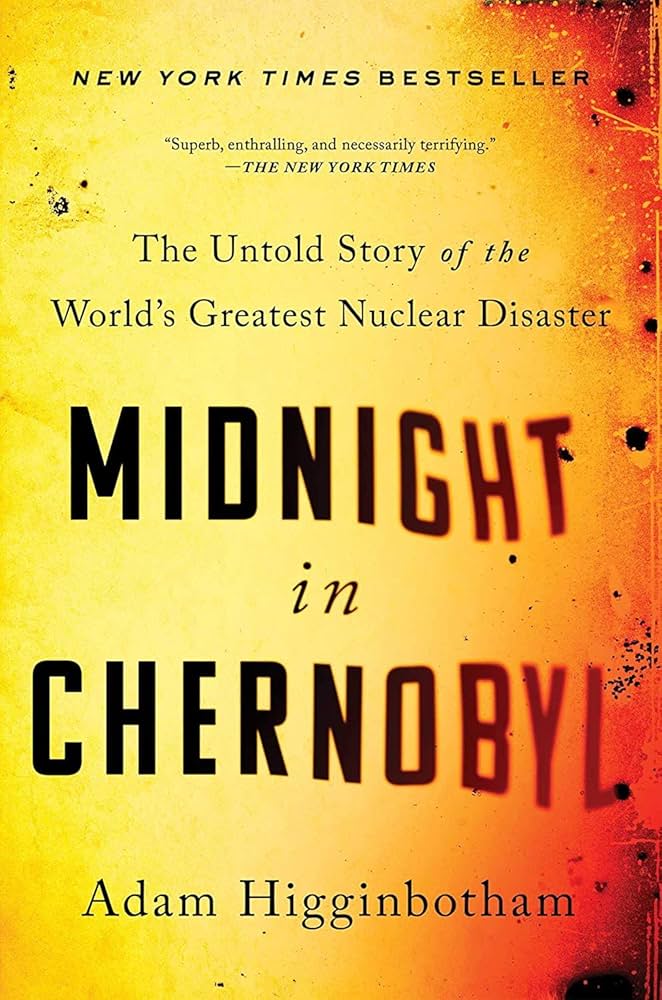
???? Book Info: Midnight in Chernobyl: The Untold Story of the World’s Greatest Nuclear Disaster by Adam Higginbotham (2019)
In Brief
In ‘Midnight in Chernobyl’, Adam Higginbotham meticulously reconstructs the harrowing events of the 1986 nuclear disaster, blending personal accounts with historical analysis to reveal not only the catastrophic failures that led to the explosion but also the profound human stories that emerged from the ashes. This gripping narrative serves as a stark reminder of the vulnerabilities inherent in nuclear power, raising critical questions about safety, governance, and the legacy of one of the most infamous disasters in history. As Europe grapples with energy crises and the implications of nuclear energy, Higginbotham’s work is both timely and essential.
Core Ideas
- The Chernobyl disaster was not just a technical failure but a systemic collapse of governance and communication.
- Personal narratives from first responders and affected families highlight the human cost and emotional toll of the disaster.
- The book underscores the ongoing implications of nuclear energy, especially in light of contemporary geopolitical tensions and energy policies.
- Higginbotham emphasizes the importance of transparency and accountability in nuclear safety protocols to prevent future disasters.
Deep Read
Higginbotham’s narrative is a masterclass in storytelling, weaving together the technical intricacies of the reactor’s design and the human elements of fear, bravery, and tragedy. He delves into the bureaucratic inertia that characterized the Soviet response to the crisis, illustrating how the culture of secrecy and denial exacerbated the disaster’s impact. By incorporating firsthand accounts from those who lived through the catastrophe, from plant workers to firefighters, the author paints a vivid picture of the chaos and heroism that unfolded in the hours and days following the explosion. This personal touch not only humanizes the statistics but also serves as a poignant reminder of the fragility of life in the face of technological failure.
Moreover, Higginbotham’s exploration of the aftermath of Chernobyl resonates deeply with contemporary issues surrounding nuclear energy. As Europe faces energy shortages and debates the future of nuclear power in a climate-conscious world, the lessons from Chernobyl are more relevant than ever. The book raises critical questions about the safety and governance of nuclear facilities, particularly in politically unstable regions. It serves as a warning against complacency and the allure of quick fixes in energy policy, urging a reevaluation of how society approaches nuclear technology.
???? Why It Matters Now
In an era where energy security is paramount and the specter of climate change looms large, ‘Midnight in Chernobyl’ is a crucial read for policymakers, industry leaders, and the public alike. As nations reconsider their energy strategies, the lessons learned from Chernobyl can inform safer practices and more robust regulatory frameworks. Understanding the past is essential to ensuring that history does not repeat itself, especially as the world navigates the complexities of nuclear energy in a rapidly changing geopolitical landscape.
Conclusion
Adam Higginbotham’s ‘Midnight in Chernobyl’ is not merely a historical account; it is a clarion call for vigilance and responsibility in the face of technological advancement. As we stand at a crossroads in energy policy, the insights gleaned from this monumental disaster remind us that the stakes are incredibly high. The past holds valuable lessons that can guide us toward a safer, more sustainable future, making this book an indispensable resource for anyone concerned about the intersection of technology, governance, and human life.