



Unequal Wealth: The Economic Forces Shaping Our Future

Unequal Wealth: The Economic Forces Shaping Our Future
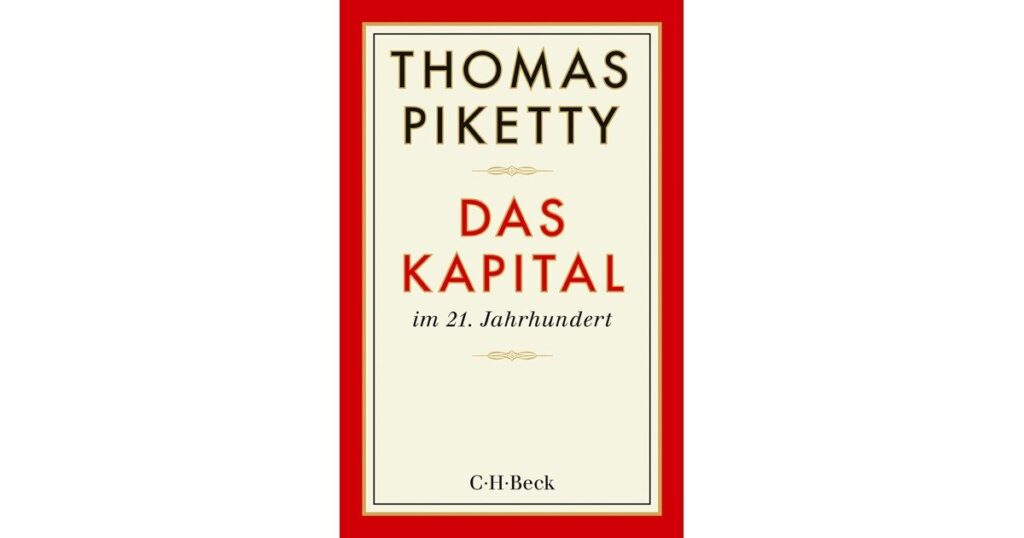
📚 Book Info: Capital in the Twenty-First Century by Thomas Piketty (2013)
In Brief
Thomas Piketty’s groundbreaking work, ‘Capital in the Twenty-First Century,’ provides a sweeping analysis of wealth inequality across centuries, focusing on the mechanisms that perpetuate economic disparities. Using extensive historical data, Piketty argues that unchecked capitalism tends to concentrate wealth in the hands of a few, threatening democratic institutions and social stability. This book is a clarion call for policymakers and citizens to rethink taxation, inheritance laws, and economic structures to address growing inequality in Europe and globally.
Core Ideas
- Historical trends show that wealth inequality grows when the rate of return on capital exceeds economic growth.
- The accumulation of wealth is often hereditary, creating entrenched economic elites and limiting social mobility.
- Progressive taxation and global coordination are essential tools to combat inequality and ensure economic fairness.
Deep Read
Piketty’s analysis begins with a meticulous examination of historical data spanning three centuries, primarily drawn from France, Britain, and the United States. He demonstrates that wealth inequality tends to grow when the return on capital (r) outpaces the rate of economic growth (g). This dynamic, which Piketty terms ‘r > g,’ leads to a concentration of wealth in the hands of those who already possess significant capital, while wage earners and the middle class struggle to keep pace. The book highlights the stark contrast between the relatively egalitarian post-World War II era and the resurgence of inequality since the 1980s, fueled by neoliberal policies and globalization. Piketty argues that without intervention, this trend will continue to exacerbate social divisions and undermine democratic governance.
A key focus of the book is the role of inheritance in perpetuating inequality. Piketty reveals how wealth accumulation increasingly depends on intergenerational transfers rather than individual effort or merit. This creates a self-reinforcing cycle of privilege, where economic elites consolidate their power and influence, often at the expense of broader societal welfare. He critiques the romanticized notion of meritocracy, showing how structural barriers prevent equitable access to opportunities.
To address these challenges, Piketty advocates for progressive taxation on income and wealth, including a global tax on capital. He argues that such measures are necessary to redistribute wealth, fund public goods, and prevent the destabilizing effects of extreme inequality. While acknowledging the political difficulties of implementing these policies, Piketty emphasizes their importance for sustaining economic growth and social cohesion in an increasingly interconnected world.
💡 Why It Matters Now
In an era marked by rising populism, economic instability, and climate challenges, ‘Capital in the Twenty-First Century’ provides a critical lens for understanding the structural forces driving inequality. For Europe, where debates over wealth redistribution, taxation, and social welfare are central to political discourse, Piketty’s insights offer actionable solutions to address these pressing issues. Globally, the book serves as a wake-up call to confront the dangers of unchecked capitalism and ensure economic systems work for the many, not just the few.
Conclusion
Thomas Piketty’s ‘Capital in the Twenty-First Century’ is more than an economic treatise; it is a moral and political call to action. By exposing the historical patterns of inequality and proposing bold solutions, Piketty challenges readers to envision a fairer, more inclusive economic future. As societies grapple with the consequences of wealth concentration, this book remains an essential guide for policymakers, academics, and citizens committed to building a more equitable world.