



The AfD’s Media Strategy: A Bold Push for Political Control in Germany

The AfD’s Media Strategy: A Bold Push for Political Control in Germany
⚡ Tech Brief
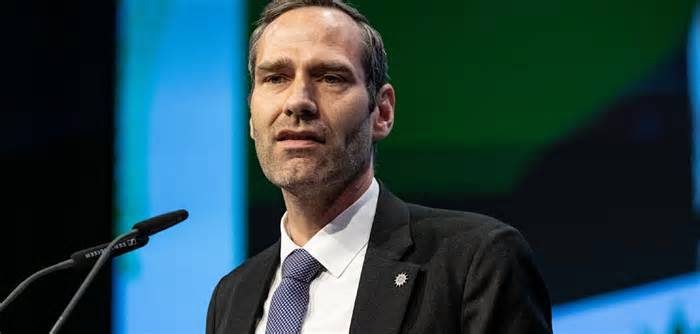
Ulrich Siegmund, the AfD’s lead candidate in Saxony-Anhalt, has announced plans to terminate Germany’s Media State Treaty if elected as Minister-President. This controversial move signals the party’s intent to reshape media governance, amidst broader concerns about political polarization and democratic integrity in the upcoming state elections.
🔍 Deep Dive
At the recent congress of the AfD youth organization ‘Generation Deutschland’ in Magdeburg, Ulrich Siegmund outlined his vision for Saxony-Anhalt under AfD leadership. Central to his agenda is the proposed cancellation of the Media State Treaty, a legal framework governing media operations and broadcasting standards across Germany. Siegmund acknowledged the legal complexities of such a move but emphasized the party’s readiness to confront challenges. The Media State Treaty plays a critical role in ensuring balanced media representation and regulating digital platforms, making its potential repeal a contentious issue. Siegmund’s rhetoric, which included references to a ‘Blutwurstkoalition’ (a coalition of traditional parties) and claims of securing 45% voter support, reflects the AfD’s strategy of leveraging populist narratives to galvanize its base. Additionally, Siegmund called for heightened public vigilance during vote counting, citing historical instances of electoral irregularities, though he refrained from making direct accusations.
🌐 Impact Analysis
The AfD’s proposal to terminate the Media State Treaty raises significant concerns about media independence and democratic safeguards. Media governance in Germany is designed to prevent undue political influence, and Siegmund’s plan could disrupt this balance, potentially enabling partisan control over information dissemination. This aligns with broader trends in Europe where populist movements have challenged traditional media structures. On a societal level, the AfD’s rhetoric and strategies may deepen political polarization, as the party positions itself as an alternative to established coalitions. Economically, such a shift in media policy could impact digital platforms, broadcasters, and advertising industries, introducing uncertainties around compliance and operational standards.
🚀 Future Outlook
As the Saxony-Anhalt elections approach, the political landscape in Germany faces heightened scrutiny. If the AfD gains significant traction, their proposed media reforms could spark national debates about the role of governance in media regulation. However, legal and institutional barriers may limit the feasibility of Siegmund’s plans. Moving forward, the focus will likely shift to the broader implications of populist movements on democratic institutions and the resilience of media frameworks in safeguarding impartiality.
Tech Source: faz.net