



SPD Focuses on ‘Affordability’ Amid General Debate on Taxation and Budget Challenges

SPD Focuses on ‘Affordability’ Amid General Debate on Taxation and Budget Challenges
SPD Focuses on ‘Affordability’ Amid General Debate on Taxation and Budget Challenges
🔹 Official Context & Stated Position:
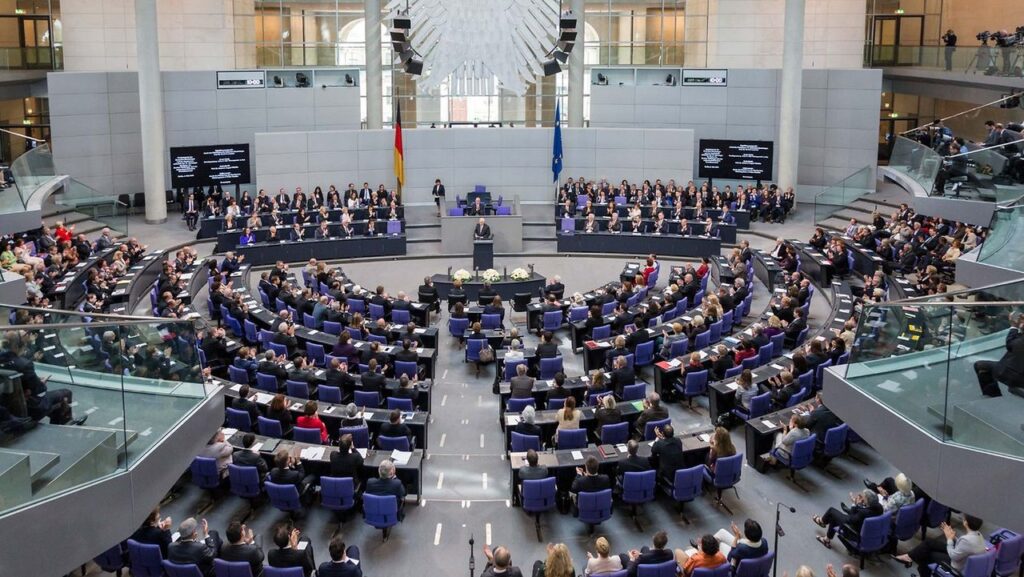
The Social Democratic Party (SPD) emphasized ‘affordability’ in their recent speeches during the Bundestag’s general debate. The opposition strongly criticized this stance, indicating the term reflects the party’s political strategy amid Germany’s current socioeconomic challenges. The presentation sparked discussions within the legislature over the feasibility of ensuring budget-friendly solutions while maintaining essential public services and infrastructure investments.
🔍 In-Depth Analytical Assessment:
The SPD’s focus on ‘affordability’ reflects an acknowledgment of growing public concerns over the rising cost of living in Germany, exacerbated by inflation, escalating energy prices, and fiscal pressure. The term serves as a deliberate marker to distinguish the party’s priorities in navigating tough economic conditions while aiming to retain voter support ahead of future elections.
At the political level, this shift aligns with an effort to bridge gaps between socioeconomic policies and grassroots demands. As inflation continues to erode real incomes, average Germans face difficulties in managing expenses, such as housing, utilities, and basic goods. By emphasizing affordability, the SPD aims to portray itself as a party that aims to reduce economic disparities, address social inequality, and prioritize pragmatic policies over ideological battles.
Economically, Germany faces intense scrutiny regarding its budget allocation, particularly with the growing expense of social welfare programs like Bürgergeld and pension frameworks such as Rente mit 63. Alongside these, significant investments are needed for energy transformations, sustainable urban infrastructure upgrades, and climate-neutral initiatives such as hydrogen deployment. Whether the government can remain committed to affordability without sacrificing innovation or competitiveness remains a critical question.
Social dynamics further reinforce the relevance of affordability as a political focus. Socioeconomic uncertainty is linked to Germany’s declining birth rate and hesitancy among younger generations to pursue family formation. Studies link economic insecurity to demographic challenges, and the SPD’s affordability push could also be seen as addressing long-term desirability in domestic policies capable of fostering stability.
Ultimately, while affordability resonates positively among the public, its implementation hinges on reconciling funding requirements for essential services with controlled fiscal conservatism amid international and internal pressures. This interplay will shape SPD’s ability to convince its electorate of balanced, achievable economic reforms.
⚖️ Socio-Political & Institutional Impact:
- ▪ Winners: SPD, due to aligning social discussions with voter economic concerns.
- ▪ Losers: Union (CDU/CSU), as affordability highlights opposition deficiencies in socio-economic foresight.
- ▪ Neutral parties: Small sector industries sensitive to subsidy policy changes.