



Rising Crime Rates and Organized Crime in Berlin: A Security Threat

Rising Crime Rates and Organized Crime in Berlin: A Security Threat
Rising Crime Rates and Organized Crime in Berlin: A Security Threat
🔹 The Official Illusion:
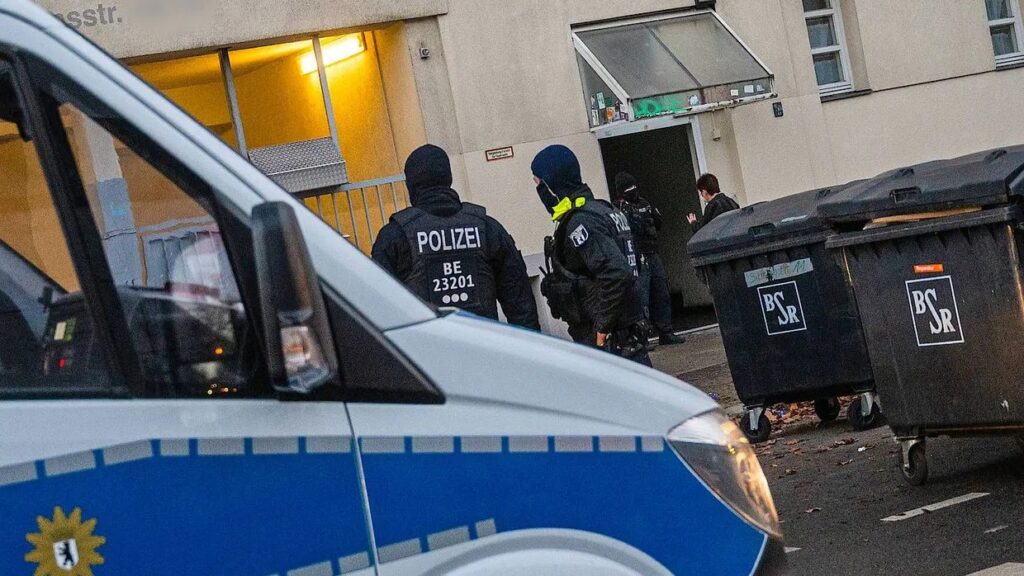
Reports have highlighted an alarming uptick in shootings across Berlin. Turkish-Kurdish gang rivalry has been cited as a major contributor to this violence, which is further exacerbated by the promotion of criminal acts on social media platforms. Authorities suspect the involvement of Russian-linked influences, which adds complexity to the unfolding investigation. Berlin law enforcement agencies have expressed concerns over the growing challenges in tackling organized crime.
🔍 The Parallel Truth:
The concerning rise in shootings in Berlin sheds light on deeper societal and policy challenges that Germany faces today. The spotlight on Turkish-Kurdish gang violence reveals systemic issues tied to immigration and the challenges of integration. These incidents expose the persistent frictions between various migrant communities and their ties to cross-border networks. The social media aspect, where gang activities are glorified, further poses a cultural and technological challenge. Platforms like TikTok, often viewed as entertainment hubs, are being weaponized to perpetuate and normalize crime, thereby appealing to a younger, impressionable audience. Additionally, the suspicion of Russian regime involvement highlights a new dimension of foreign influence in Germany’s socio-political landscape, raising alarms about external interference in domestic affairs. This situation not only strains local law enforcement but also escalates broader security concerns, particularly in navigating the European Union’s border control and crime policies. Activities of such international criminal groups underscore the necessity for stronger multilateral collaborations and enhanced technological capabilities to dismantle networks that pose a threat to both local and national security.
⚖️ Shadow Map:
- ▪ Winners: Law enforcement agencies emphasizing the need for increased resources and digital modernization.
- ▪ Losers: Organized criminal networks, particularly those highlighted in the report, as they face increased scrutiny.
- ▪ Losers: Local communities in Berlin suffering from heightened crime and safety concerns.