


Projekt 10.000: Strengthening Social Cohesion through Public Meeting Spaces

Projekt 10.000: Strengthening Social Cohesion through Public Meeting Spaces
⏱ 3 min read
Executive Summary
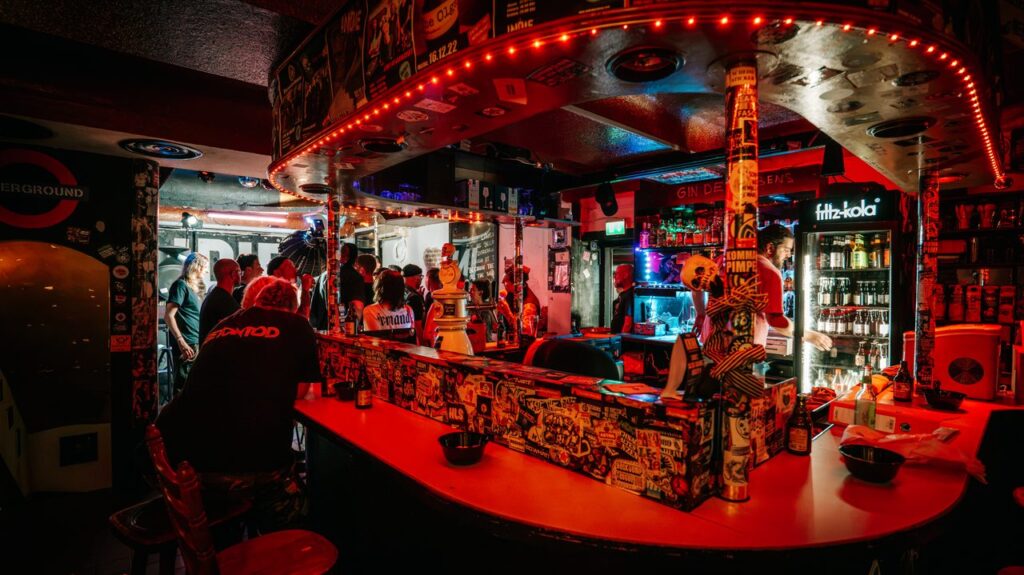
Projekt 10.000 proposes the establishment or revitalization of 10,000 public meeting spaces, such as traditional pubs, cafés, or hybrid venues, as a response to the decline of accessible social spaces in Germany. This initiative aims to counteract societal isolation, foster democratic engagement, and strengthen intergenerational and intercultural connections, particularly in underserved urban and rural areas.
Strategic Context
Deep Analysis
Germany’s decision to launch Projekt 10.000 stems from concerns about the erosion of public spaces and its impact on democratic culture. Research indicates that the disappearance of such venues contributes to social fragmentation, loneliness, and diminished trust in political institutions. By creating accessible meeting points, the government seeks to counteract these trends and strengthen civic engagement.
Additionally, the initiative addresses the growing polarization in society, exacerbated by digital isolation. Public spaces like pubs have historically been sites of informal dialogue and community-building, offering a platform for diverse groups to interact and share perspectives. This aligns with Germany’s broader goals of fostering social cohesion and reducing the influence of populist narratives in underserved areas.
Impact on Migrants
For migrants in Germany, Projekt 10.000 could provide crucial opportunities for integration and community participation. These spaces are designed to be inclusive and accessible, allowing migrants to interact with locals, share their experiences, and build networks. Such interactions can help reduce feelings of alienation and foster a sense of belonging, which is vital for successful integration.
Moreover, the initiative aims to reach groups often excluded from traditional democratic engagement, such as those with lower educational or economic backgrounds. Migrants, who may face barriers to formal participation, could benefit from these informal settings to learn about German culture, practice the language, and engage in civic discussions, thereby enhancing their integration into society.
Outlook & Conclusion
Projekt 10.000 represents a forward-thinking approach to strengthening Germany’s social fabric and democratic culture. By investing in accessible meeting spaces, the initiative seeks to counteract societal isolation and foster meaningful connections across diverse groups. If implemented effectively, it could serve as a model for other nations grappling with similar challenges, while providing migrants and underserved communities with vital opportunities for integration and participation.
Primary Source: faz.net